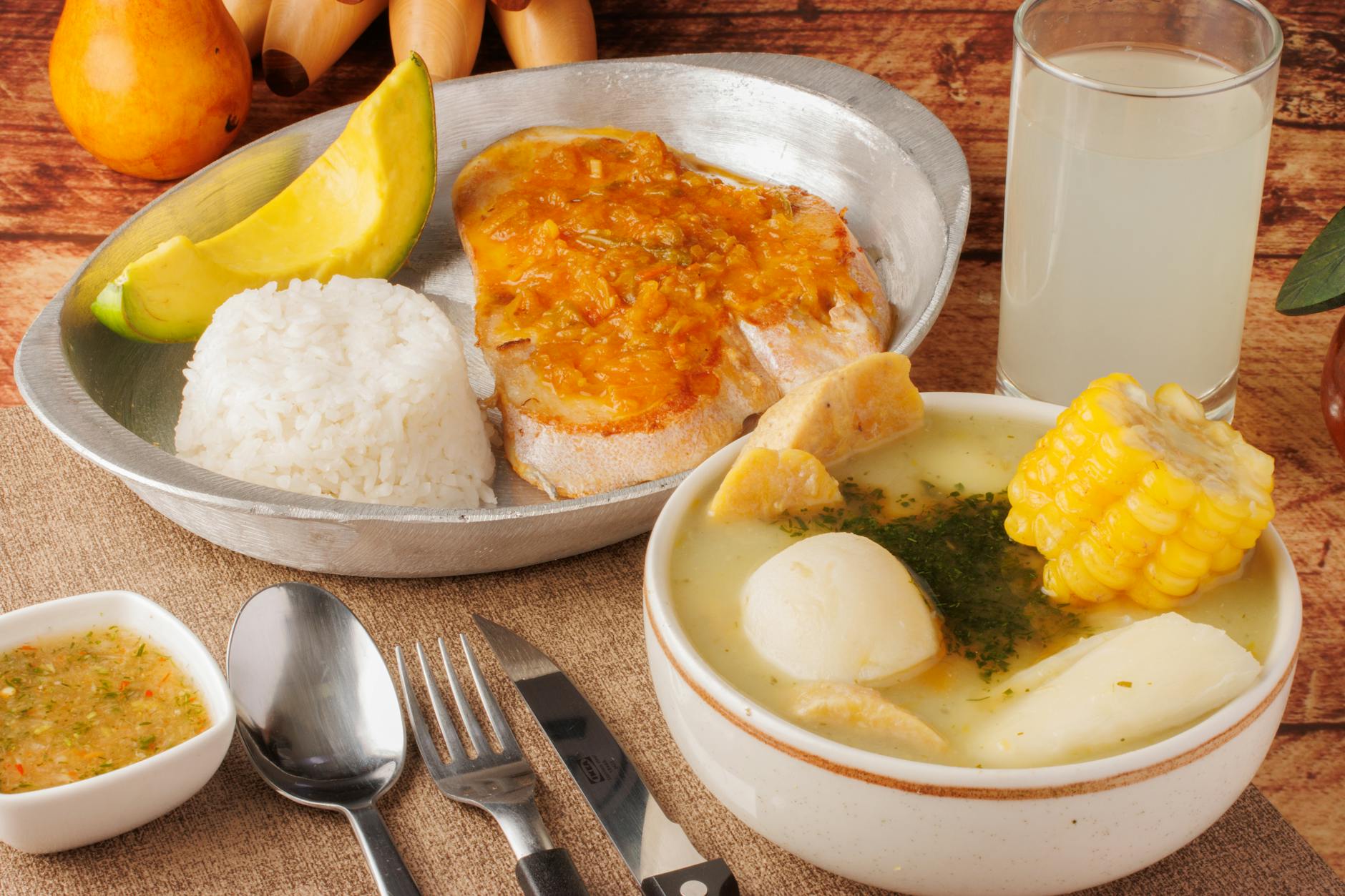
The Bandeja Paisa, often regarded as the quintessential symbol of Colombian cuisine, was not born in the Antioquia region but was instead created in Bogotá as a strategic marketing tool.
According to a report by elmostrador.cl, the dish was developed in the 1950s by tourism entrepreneurs from the Colombian Hotel Association (Cotelco). The goal was to project an image of prosperity and regional identity to foreign visitors.
Anthropologist and cook Clara Grisales told the outlet that the massive protein levels found in the modern dish were never a staple of domestic life in the Paisa region. "To say it represents us is far from what we ate and eat domestically. That level of protein did not exist at home," Grisales said.
Researchers found the dish was inspired by the 'envuelto' or 'fiambre,' a humble meal wrapped in bijao leaves used by muleteers to survive long journeys. It also drew from the 'seco,' a common second course in Colombian lunches.
A tool for regional identity
The strategy successfully turned a regional concept into a national brand. The dish helped cement the global image of the 'Paisa' identity, bolstered by the international fame of Colombian coffee, telenovelas, and global music stars like Maluma and Karol G.
"The Bandeja has not only managed to represent Antioquia but all of Colombia. It is a typical dish, even if it really isn't one," Grisales noted.
Despite its fame, the dish's presence in local markets is inconsistent. In Medellín's Plaza Minorista, a major hub for local trade, many vendors offer components like beans and rice but rarely serve the full, heavy platter.
However, some restaurateurs like Mauricio Jaramillo embrace the dish as a cultural flag. Jaramillo, who runs a restaurant in Medellín, serves both the large modern version and a more traditional 'arriero' version wrapped in leaves.
"Whoever is Paisa and doesn't like that beauty... It is an identity. It is our flag after our anthem," Jaramillo said.
While the dish remains a massive success for Colombian tourism, experts note that the true culinary staple of the region remains much simpler: bean soup.