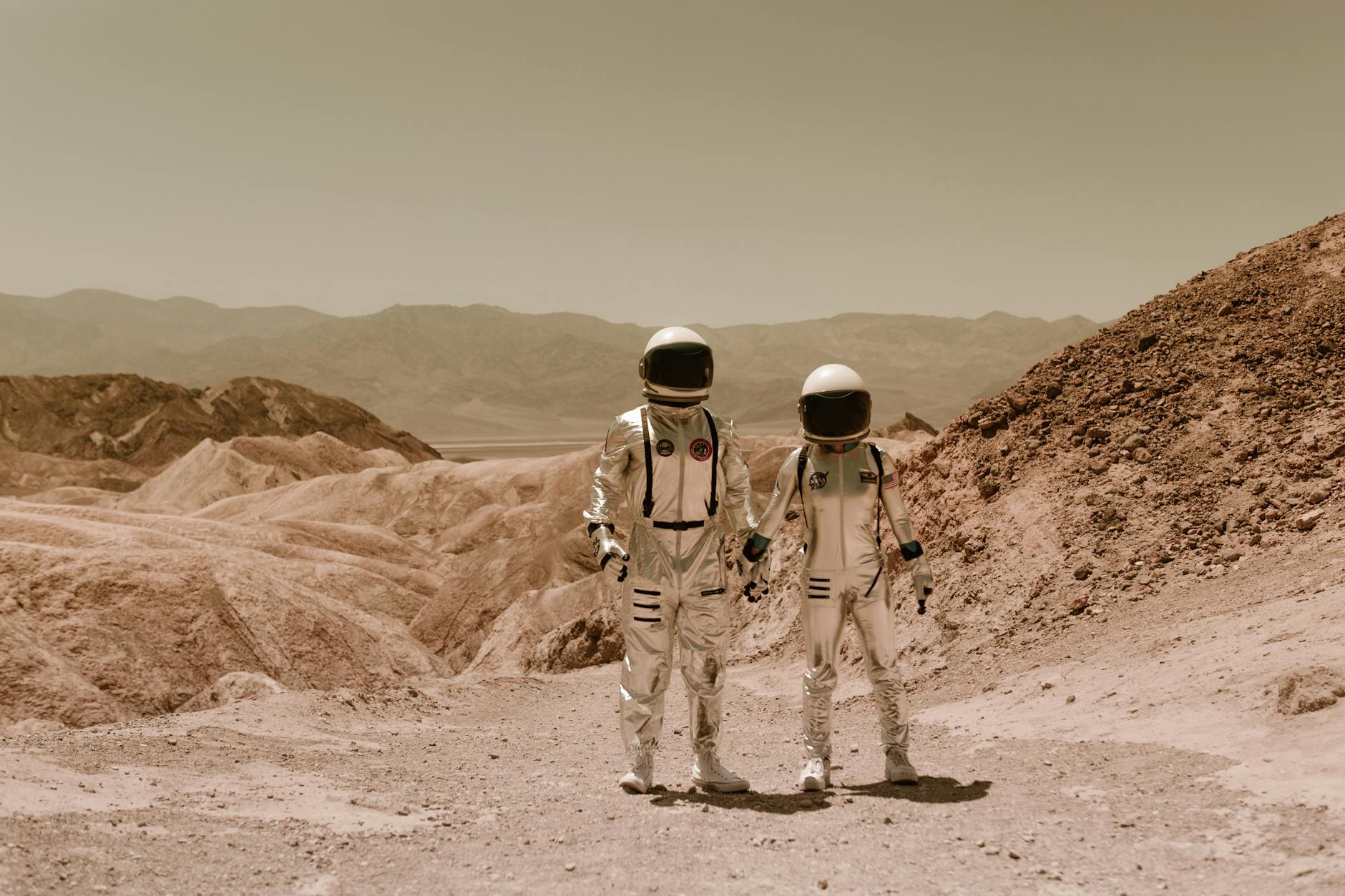
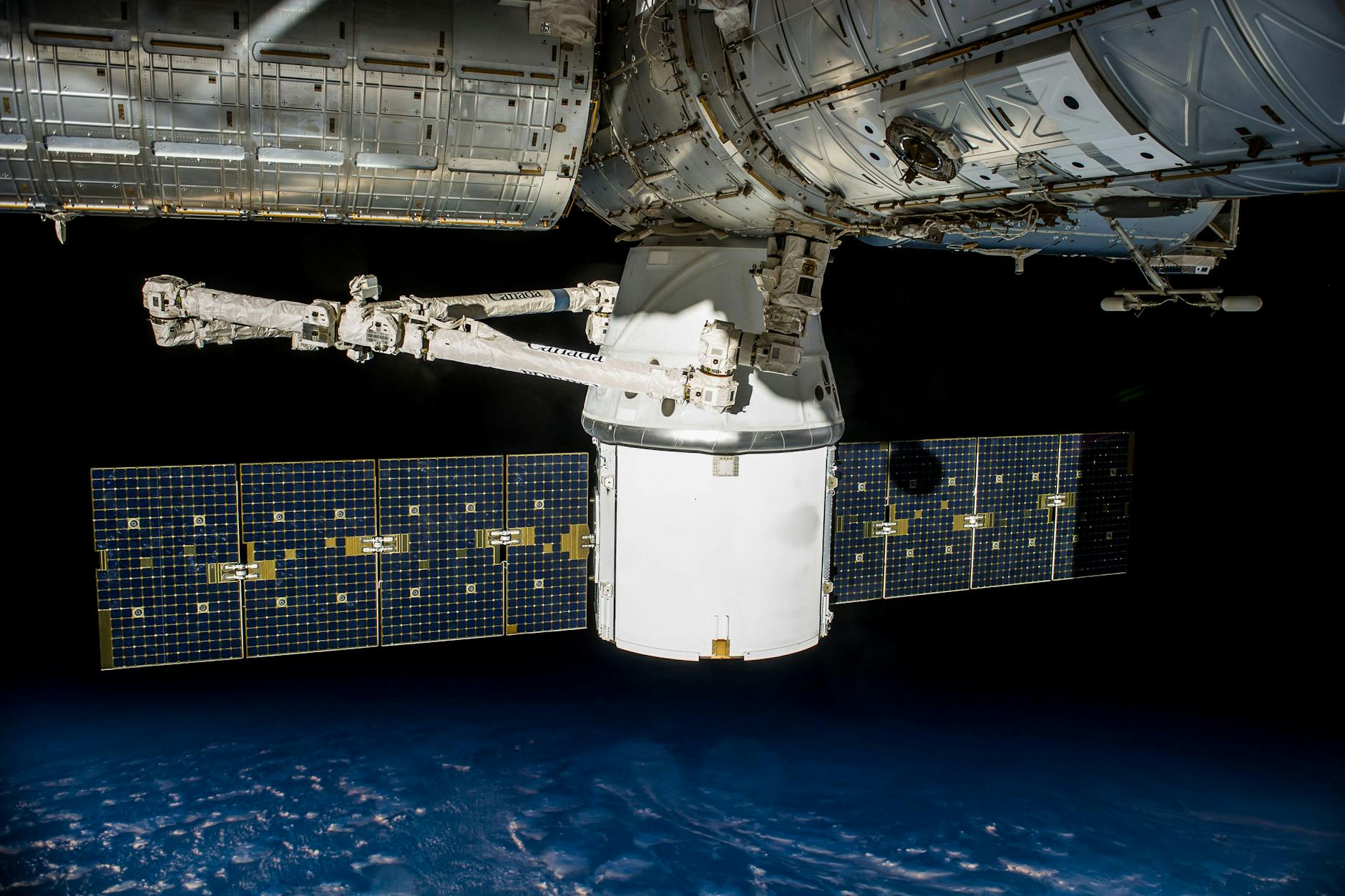
Thomas Pesquet to Return to Space in 2027 via Vast Partnership French astronaut Thomas Pesquet is scheduled to return to low-Earth orbit in 2027 alongside Arnaud Prost under a new agreement with the American firm Vast. Tomás Herrera
French astronauts to join 2027 private space missions French astronauts Thomas Pesquet and Arnaud Prost are scheduled for 2027 missions, including a flight to the first commercial space station. Tomás Herrera
Trump expresses confidence in NASA lunar return before 2029 term ends President Donald Trump stated NASA has a 'good shot' at landing astronauts on the Moon before his second term concludes in 2029. pexels
Researchers identify human urine as sustainable alternative to synthetic fertilizers A study from the University of Surrey demonstrates how low-energy forward osmosis can concentrate nitrogen, phosphorus, and potassium from urine for agricultural use. pexels
Northeastern researchers uncover chemical pathway in foxglove that could streamline drug production New findings on how foxglove plants produce steroids could lead to more efficient manufacturing of the heart medication digoxin. pexels
NASA unveils Nancy Grace Roman Space Telescope ahead of September launch Ready eight months early and under budget, the NGRST will transmit 1.4 terabytes of data daily using hardware scaled up from surplus NRO spy satellites. pexels
Harvard researchers find adding randomness prevents robot swarm gridlock A new study reveals that introducing controlled movement variation allows robot fleets to bypass congestion and maintain efficiency in crowded spaces.
New study finds brain uses same neurons for sight and imagination Researchers discovered that the neural code used to perceive physical objects is identical to the one used to conjure mental images.
Tiny 'cleaner' ants discovered grooming much larger species in Arizona desert Small cone ants were observed climbing onto harvester ants to lick and nibble their bodies, even venturing inside their open jaws.
Researchers discover antibodies that may block Epstein-Barr virus infection Scientists at the Fred Hutchinson Cancer Center have developed human-like antibodies capable of preventing the Epstein-Barr virus from entering immune cells in lab models.
550-million-year-old fossil discovery fills 160-million-year gap in sponge evolution A newly discovered fossil of a 550-million-year-old sea sponge suggests early ancestors lacked hard skeletons, explaining why they vanished from the fossil record.
Physicists observe electrons flowing like frictionless liquid in graphene Researchers at the Indian Institute of Science have identified a quantum state where electrons move through graphene as a nearly perfect fluid, defying the Wiedemann-Franz law.