Choosing the right cookware for heating water and food in Mexico depends on a trade-off between speed, durability, and heat retention, according to a report by xataka.com.mx.
The comparison examines three staples of Mexican kitchens: aluminum, enamel (peltre), and clay (barro).
Aluminum remains the most popular choice due to its cost and efficiency. Manufacturers like FlytinBottle note that high-quality vessels use 1000-series aluminum, which is pure, food-grade, and highly recyclable.
This material acts as an excellent conductor of heat. According to the manufacturer BLUE, the metal's atomic structure allows electrons to move freely, circulating energy rapidly. This efficiency helps users save on gas consumption.
Enamel, or 'peltre,' offers a vintage alternative known for its durability. While some dictionaries define it as an alloy of lead and tin, the manufacturer pppeltre clarifies that in Mexico, it is actually a sheet of steel coated with glass enamel through a high-temperature baking process.
The Mexican Restaurant Association (AMR) states that this material is a good heat conductor and helps preserve food quality without altering flavors or releasing toxins.
The traditional advantage of clay
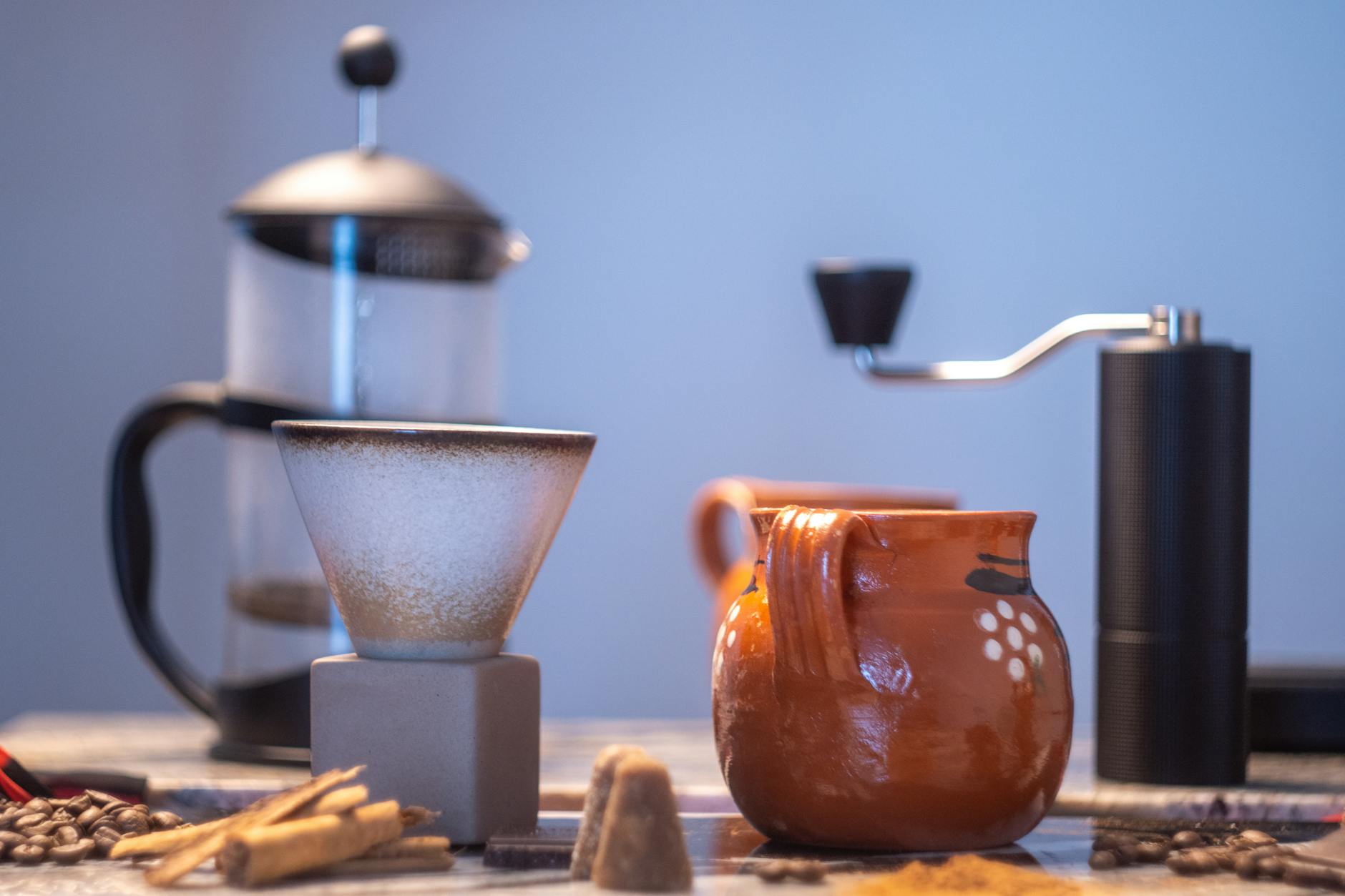
Clay vessels, or 'ollas de barro,' serve a different culinary purpose. Unlike smaller aluminum 'pocillos,' clay pots are typically larger and used for slow cooking.
These vessels are made from clay or kaolin fired at temperatures exceeding 1,000°C, according to Alecook. Because clay is naturally porous, it allows moisture and heat to circulate gently.
This process creates a unique steam effect, according to ULAMART. While clay does not distribute heat as quickly as metal, it is superior at retaining temperature for long periods.
Ultimately, the choice depends on specific kitchen needs. Aluminum is the fastest for quick heating, enamel provides a durable middle ground, and clay is the ideal choice for slow-cooked stews and maintaining warmth.