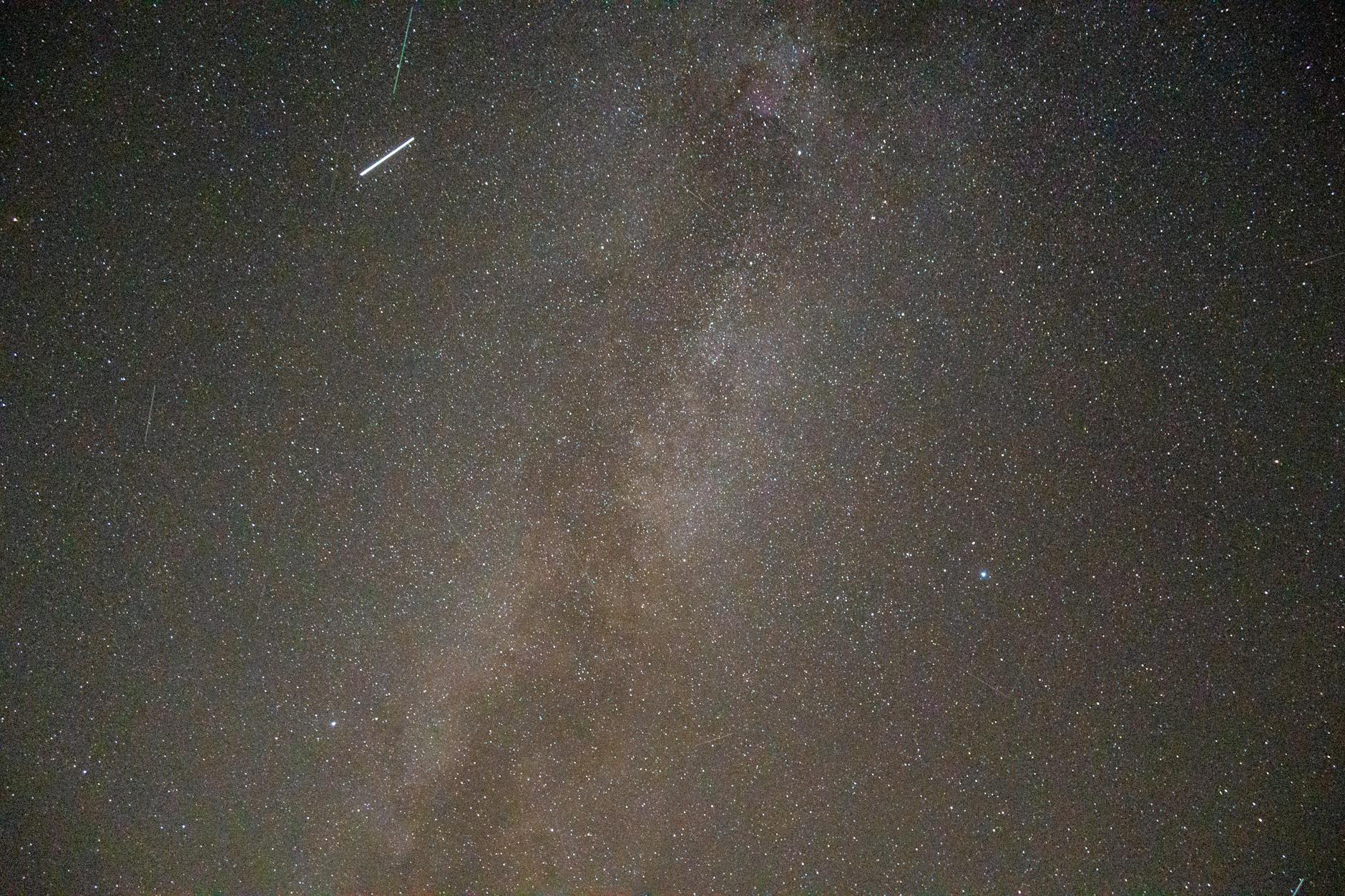
Samsung’s latest flagship, the Galaxy S26 Ultra, has transformed mobile astrophotography from a technical challenge into a streamlined process for smartphone users, according to a report by latercera.com.
Gone are the days when capturing the Milky Way required heavy DSLR cameras, specialized lenses, and complex manual settings like the '500 rule.' The new device integrates computational photography to simplify the process under clear skies, such as those found in Chile's San Pedro de Atacama.
Supported by the Expert RAW application, the S26 Ultra offers a dedicated astrophotography mode designed to guide users through the process of identifying constellations. However, experts warn that environmental factors still dictate the quality of the final image.
Wilhem Krause, a technology journalist and editor of cliclick.cl, noted that sensor size and ambient light remain critical variables. Speaking to latercera.com, Krause shared an experience from Temuco where moonlight interfered with his results. “Star photography always depends on the sensor size, but even more important is the light available around you. I once went with the idea of taking photos of the sky, but there was a moon, and the moon already introduces enough light to ruin the result quite a bit,” Krause said.
Advanced hardware and processing
The S26 Ultra relies on a powerful image signal processor and artificial intelligence to manage digital noise during long exposures. To use the mode effectively, the device must remain completely stationary, typically via a tripod or by being braced against a rock.
Users can select exposure times ranging from four to ten minutes. During this period, the phone captures multiple photographs at different exposures and aligns the stars in real-time to counteract the Earth's rotation.
Krause emphasized the importance of minimizing light pollution and using stable equipment. “It is advisable to use a tripod, a timer, or a remote shutter, and to seek a place with the least possible light pollution. That mode allows for long exposures, and that is precisely what differentiates the S26 Ultra from a common night photo,” Krause told latercera.com.
The device processes these captures in seconds, producing images that reveal stardust and constellations with clarity previously impossible for a mobile device. The system offers a consistent experience for users looking to capture the night sky without extensive post-production editing.