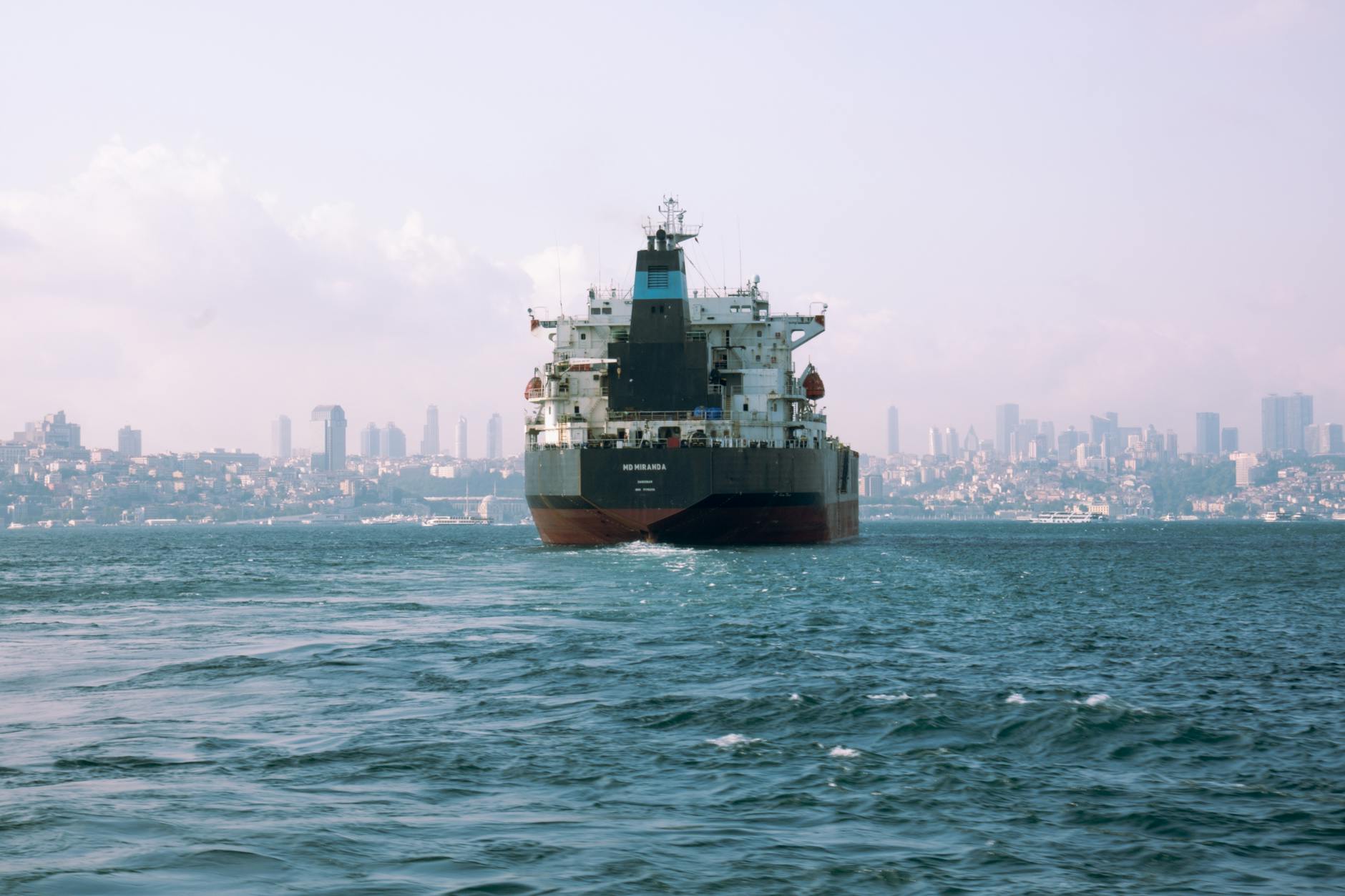
A escalating crisis in the Strait of Hormuz is destabilizing global supply chains far beyond the oil market, according to reports from irannewswire.org. Disruptions to the strategic waterway, driven by Iranian control measures and a U.S. naval blockade, are causing sharp price spikes in fertilizers, helium, and diesel.
Urea prices in the U.S. Gulf market have jumped from $516 to $683 per ton. In some regions, nitrogen fertilizer prices have surged by more than 30%. The outlet reported that anhydrous ammonia prices in the United States are nearing $1,100 per ton.
These rising costs are forcing agricultural shifts. Farmers are moving away from corn, which requires heavy fertilizer use, toward less input-intensive crops like soybeans.
Industrial and transport costs surge
The crisis is also hitting high-tech manufacturing through helium shortages. Because Qatar produces nearly one-third of the world’s helium as a byproduct of LNG, disruptions to Qatari production have caused spot prices to double. Some projections suggest prices could reach $2,000 per thousand cubic feet.
Shortages threaten sectors reliant on the gas, including semiconductor manufacturing, medical imaging, and scientific research.
Transportation costs are following the same upward trend. Diesel prices in the U.S. have climbed to approximately $5.52 per gallon. With 75% of domestic U.S. freight moving by truck, economists warn these costs will eventually reach supermarkets and restaurants.
Shipping companies are also facing massive overhead increases. War-risk insurance premiums for vessels transiting the region have jumped by as much as 1,000%, according to the report.
Global economic forecasts remain grim. The International Monetary Fund indicated that global growth could fall to 2.5% or even 2% if disruptions persist. Analysts suggest that even if shipping routes reopen quickly, it may take up to 200 days to stabilize fertilizer markets and rebuild supply buffers.