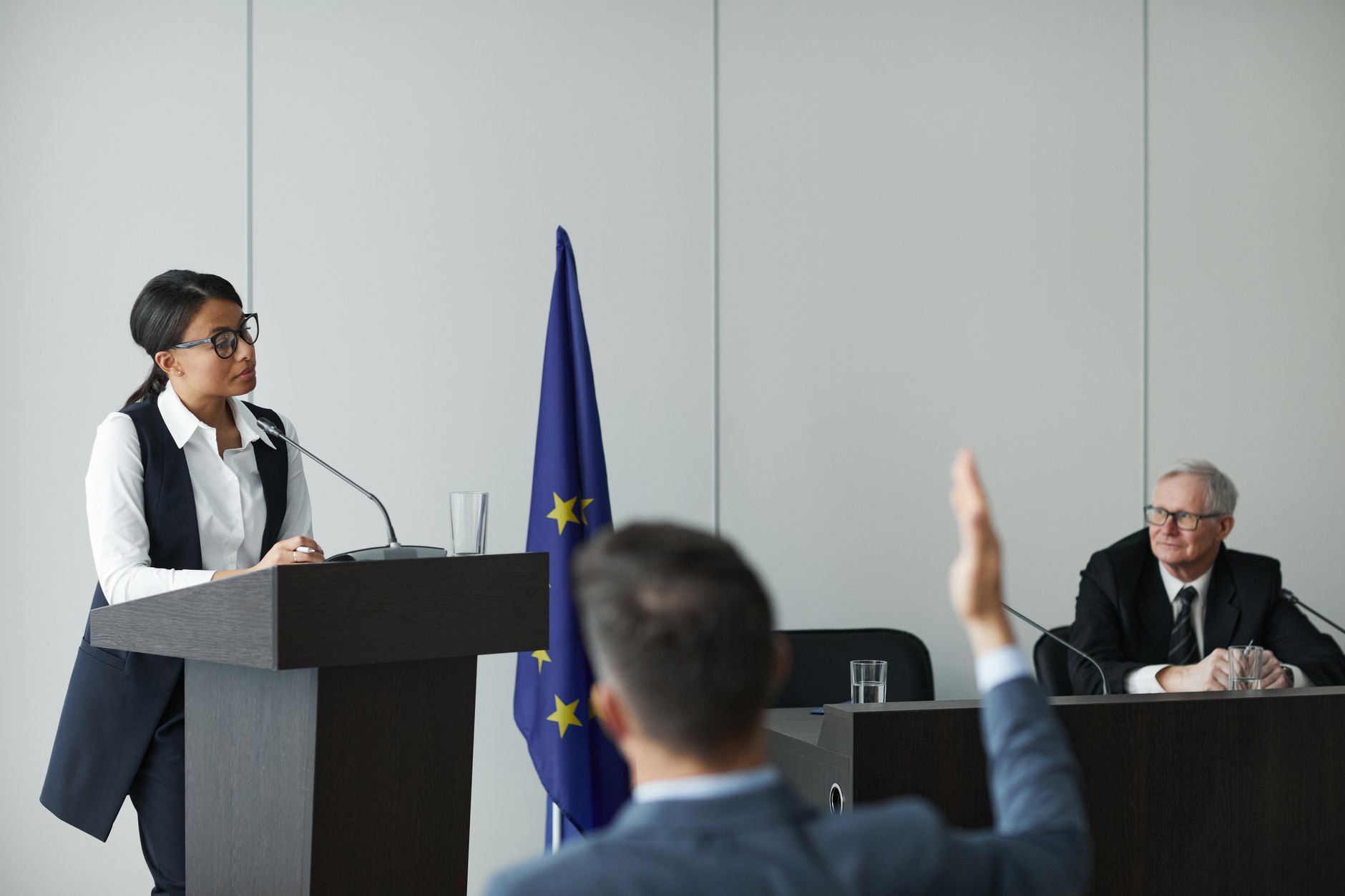
President Donald Trump said talks with Iran to end the ongoing war could soon resume and result in a deal, predicting an "amazing two days" ahead for negotiations. This statement follows a period of intense conflict involving US and Israeli forces against Iran, which has led to a significant loss of life and a global energy crisis, according to Al Jazeera.
Negotiators are expected to return to Pakistan to continue discussions. Vice President JD Vance, who led the most recent round of talks that concluded Sunday without a breakthrough, stated he felt positive about the current direction of the negotiations, as reported by France 2 and reported by France 24.
Human cost of the conflict
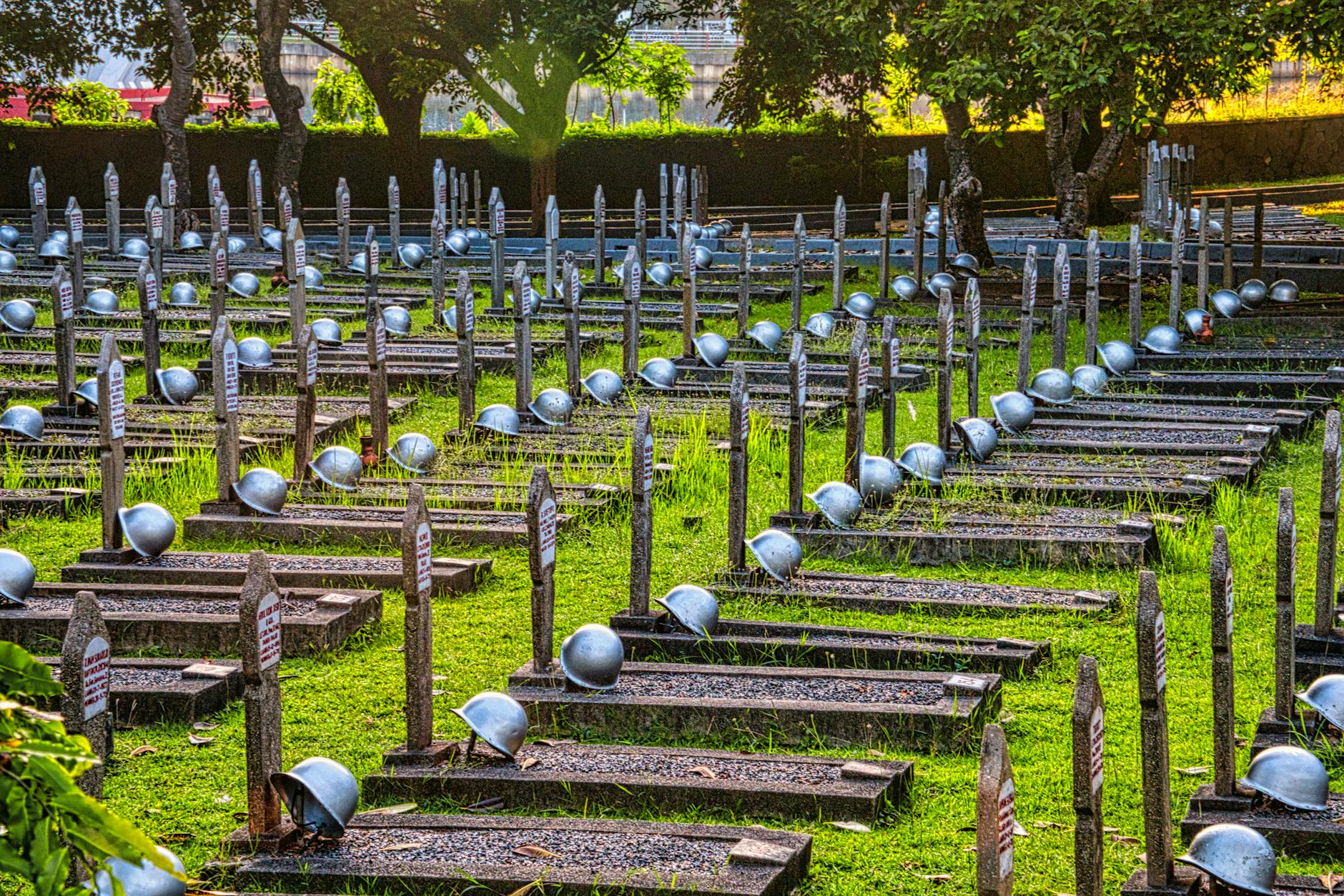
The conflict, which began on February 28, has resulted in a mounting death toll. The Iranian Organization of Forensic Medicine announced Sunday that 3,375 people have been identified as dead since the start of the war, according to the news agency Irna, as reported by Expansión.
Abás Masjedi, the head of the judicial-dependent body, noted that this figure includes 2,875 men, though the agency did not specify the ages or civilian status of all victims, Expansión reported. Other civil society organizations have provided slightly higher figures and more detailed breakdowns of civilian casualties, the Spanish outlet noted.
While the death toll in Iran is lower than recent figures from the Gaza Strip, where over 10,000 people died in the first month of that conflict, the regional instability continues to spread. Since March 2, at least 2,055 people have died in Lebanon, including 165 children and at least 87 health workers, Expansión reported. This violence in Lebanon followed attacks by Hezbollah against Israel in retaliation for the death of Iranian Supreme Leader Ali Jamenei.
Nuclear tensions and regional disparity
The current warfare follows two major military campaigns by Israel and the United States against Iran over the last 10 months. Al Jazeera reported that these conflicts, including a 12-day war last June and a more recent month-long period of fighting, killed more than 2,600 Iranians and triggered an unprecedented energy crisis.
Critics and proponents of nuclear non-proliferation have pointed to a disparity in how the nuclear programs of Iran and Israel are treated. Al Jazeera noted that while Iran's program has faced decades of international scrutiny and sanctions, Israel maintains a policy of ambiguity regarding its nuclear capabilities.
Israel has consistently refused to confirm or deny possessing nuclear weapons. During a 2018 exchange with CNN anchor Chris Cuomo, Israeli Prime Minister Benjamin Netanyahu said, "We have always said that we won’t be the first to introduce it, and we haven’t introduced it… It’s as good an answer as you will get," Al Jazeera reported.
Despite the lack of official confirmation, experts cited by Al Jazeera believe Israel possesses between 80 and 200 nuclear warheads, with the Dimona facility in the Negev desert suspected of producing plutonium. The report also highlighted the 1986 disclosure by technician Mordechai Vanunu, which exposed details of the Dimona reactor to the UK's Sunday Times.
As diplomatic efforts move toward Pakistan, US forces continue to impose a blockade, turning back vessels attempting to leave Iranian ports, according to France 24.