President Donald Trump signaled on Tuesday that “something could be happening” in Pakistan within the next two days, suggesting a potential shift in high-stakes negotiations to end the ongoing war with Iran. Speaking to a New York Post reporter in Islamabad, Trump praised Pakistani General Asim Munir as a “field marshal” doing a “great job,” while dismissing Geneva as a future site for diplomatic talks.
Efforts to secure a permanent peace remain fraught. Vice President JD Vance, who led the U.S. delegation in Islamabad over the weekend, returned to Washington without an agreement. According to The Guardian, Trump had previously joked during a private lunch that he would blame Vance if the negotiations failed while taking credit for any success. The failed mission adds to a difficult week for the Vice President, who also saw his political ally, Hungarian Prime Minister Viktor Orbán, lose power this week, as reported by La Tercera.
A Strained Alliance and Military Blockade
The diplomatic friction extends to Italy, where Prime Minister Giorgia Meloni has faced sharp criticism from the White House. Trump told Corriere della Sera that he regretted his prior support for Meloni, stating, “I thought she had courage, but I was wrong.” The President’s frustration stems from Meloni’s defense of Pope Leo XIV and her refusal to contribute military assets to the conflict. Trump dismissed the Pope’s recent calls for peace, telling the Italian newspaper, “He has no idea what is going on. He doesn’t understand that 42,000 protesters died in Iran last month.”
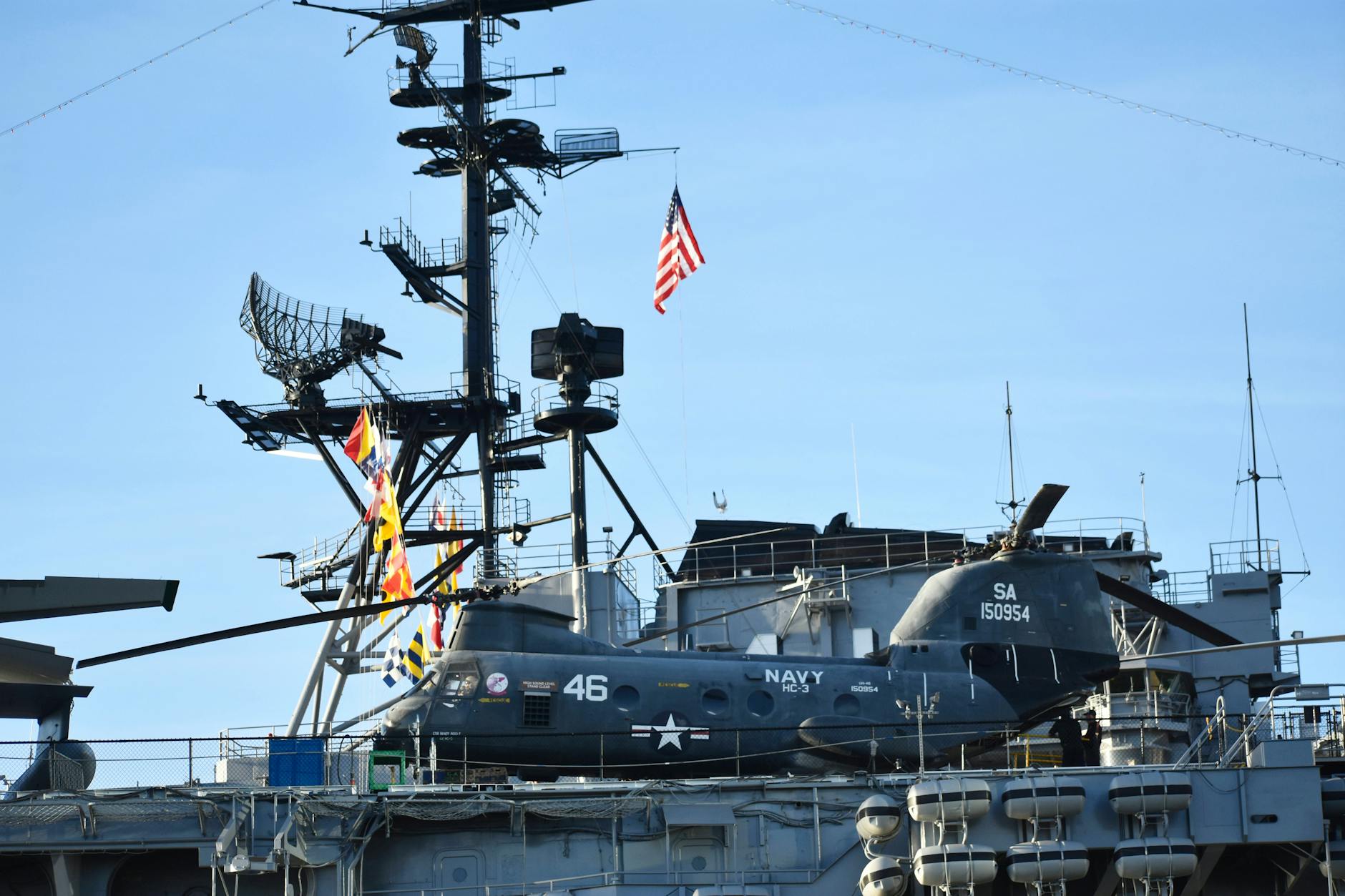
Meanwhile, the U.S. military has intensified its presence in the Persian Gulf. Central Command (CENTCOM) reported that 10,000 sailors, Marines, and airmen are currently enforcing a blockade of the Strait of Hormuz. While CENTCOM stated that no ships bound for Iranian ports have successfully bypassed the blockade in the first 24 hours, Reuters reported that at least three vessels—including two U.S.-sanctioned tankers—transited the waterway. CENTCOM maintains that the operation focuses on vessels entering or exiting Iranian ports, while allowing transit for other international shipping.
Internal pressure is mounting within Israel as well. A poll published by the Israeli Institute for National Security Studies (INSS) on Sunday revealed that 61 percent of Israeli respondents oppose the current two-week ceasefire, which was announced shortly before a threatened U.S. strike on Iranian infrastructure. According to the INSS findings, 73 percent of those surveyed expect hostilities to resume within the year. Despite the military campaign launched on February 28, the Iranian government remains in power, and Tehran’s ballistic missile arsenal is largely intact, Al Jazeera reported.