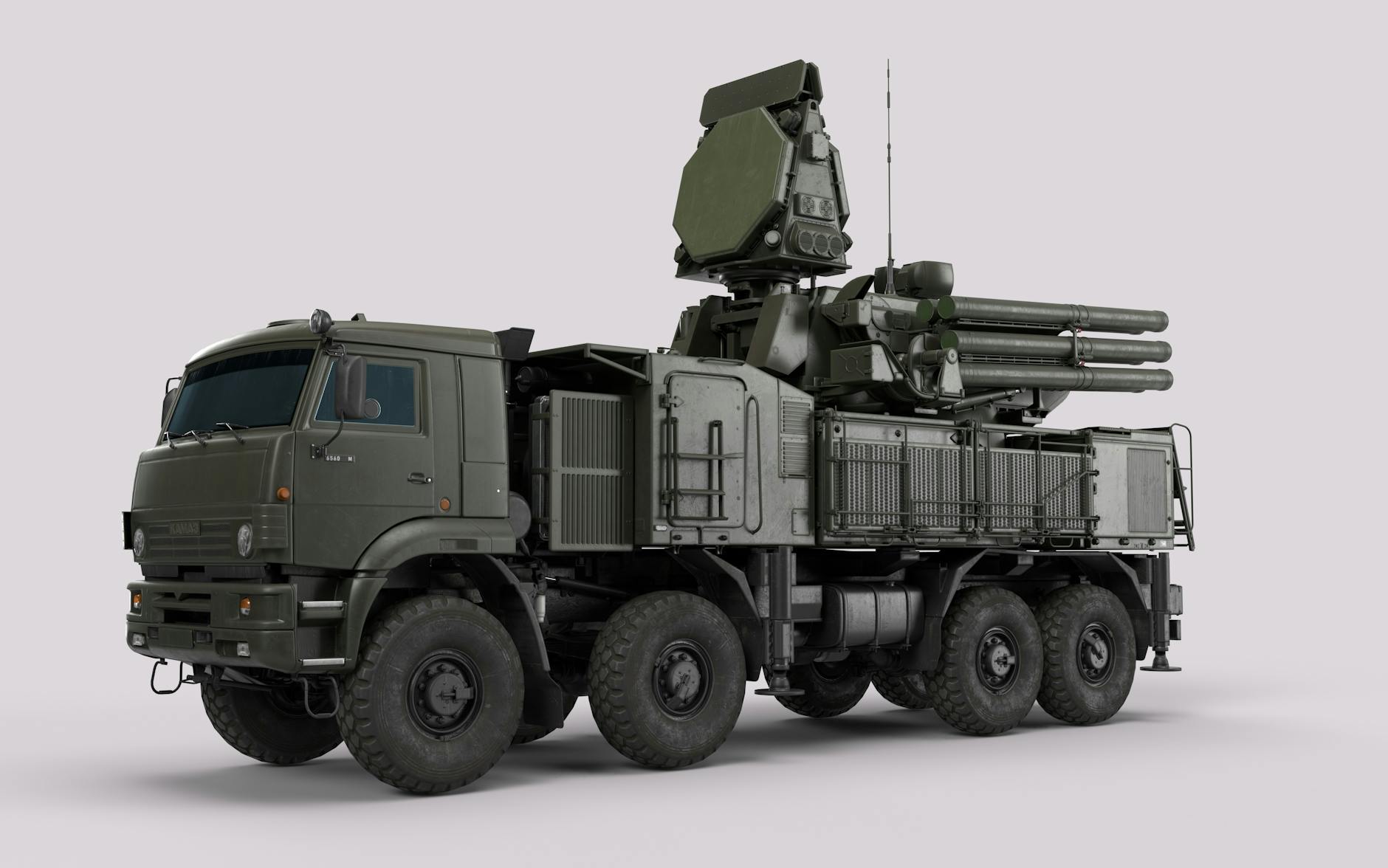
Ukraine has bolstered its air defenses with a new IRIS-T system supplied by Germany, even as the country faces a massive uptick in Russian aerial bombardment. President Volodymyr Zelensky announced the arrival of the German-manufactured hardware on May 31, noting it reached Kyiv the previous day.
"We thank Germany for its constant contribution to protecting people; thousands upon thousands of lives have been saved thanks to such strong support," Zelensky said on X. Despite the delivery, the Ukrainian president stressed that the current inventory remains insufficient to counter the volume of Russian strikes, which he reported included over 2,300 drones, 1,560 guided aerial bombs, and 108 missiles in the last week alone.
The IRIS-T system, produced by Diehl Defense, is designed to intercept low-flying subsonic targets like cruise missiles. However, experts note that the platform lacks the capability to engage ballistic missiles, a critical gap as Kyiv continues to request anti-ballistic defense assets. Zelensky has formally communicated this urgent shortage to U.S. President Donald Trump in recent correspondence.
Cross-border operations intensify
While bracing for potential strikes against its "decision-making centers," Ukraine has maintained an active offensive posture against Russian energy infrastructure. France24 reported that Ukrainian drones struck multiple sites across Russia overnight, hitting an oil pumping station, a fuel depot, and an oil refinery.
These strikes occur against a backdrop of heightened diplomatic tension. On May 25, Russian Foreign Minister Sergey Lavrov warned U.S. Secretary of State Marco Rubio that Moscow intended to target high-level infrastructure in Kyiv, prompting a call for foreign diplomats to evacuate. Despite these threats, no foreign embassies have reported an evacuation of staff.
Simultaneously, Moscow accused Ukraine of striking the Zaporizhzhia nuclear plant. Kyiv has categorically denied these allegations, according to reports from France24.
Beyond current defense needs, the Ukrainian government is looking toward long-term aerial parity. Zelensky confirmed that Ukraine reached agreements with Sweden to bolster its air force, including the acquisition of 16 used Saab JAS 39 Gripen C/D fighter jets, with potential plans to secure 20 newer Gripen E models. These contributions fall under the Prioritized Ukraine Requirements List (PURL) program, which Kyiv is utilizing to coordinate international aid.