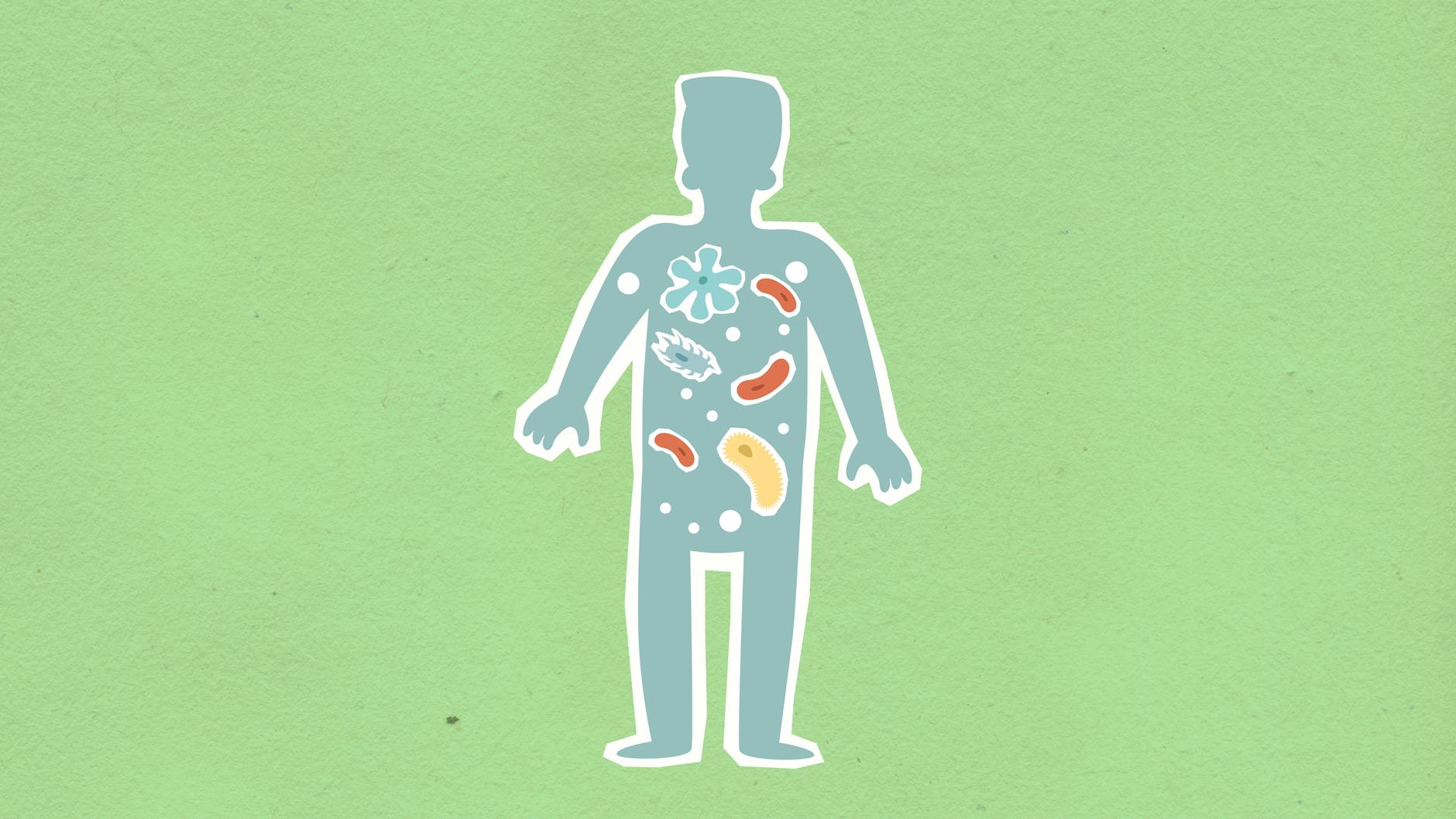
Frequent social contact may be quietly syncing the gut bacteria of people living in close proximity, according to new research from the University of East Anglia.
By studying the social dynamics of island birds, scientists found that individuals with stronger social ties share more gut microbes, particularly types that require direct contact to spread.
Researchers believe this same process likely occurs in human households through everyday interactions like hugging, kissing, and sharing living spaces.
Microbes move through direct contact
The study focused on the Seychelles warbler, a small songbird inhabiting Cousin Island. Scientists analyzed fecal samples from birds with known social roles, including breeding pairs and helpers.
Dr. Chuen Zhang Lee, a researcher at UEA’s School of Biological Sciences, said the team meticulously collected samples over several years to compare birds that interacted closely at the nest against those that did not.
"The more social you are with another individual, the more you share similar anaerobic gut bacteria," Dr. Lee said.
These specific anaerobic microbes thrive in oxygen-free environments and cannot survive in the open air. This prevents them from drifting through the environment, meaning they must move between individuals via intimate interactions.
Professor David S. Richardson, a senior researcher, noted that the isolated setting of Cousin Island allowed for a long-term study of birds that never leave the island.
"It gives us the best of both worlds," Richardson said, noting they could study animals in natural environments while collecting detailed data on known individuals.
For humans, the findings suggest that domestic life influences the microscopic ecosystem of the gut. Shared tasks like washing up or sitting close on a sofa may facilitate the exchange of beneficial bacteria.
"Sharing beneficial anaerobic bacteria could strengthen immunity and improve digestive health across a household," Dr. Lee added.