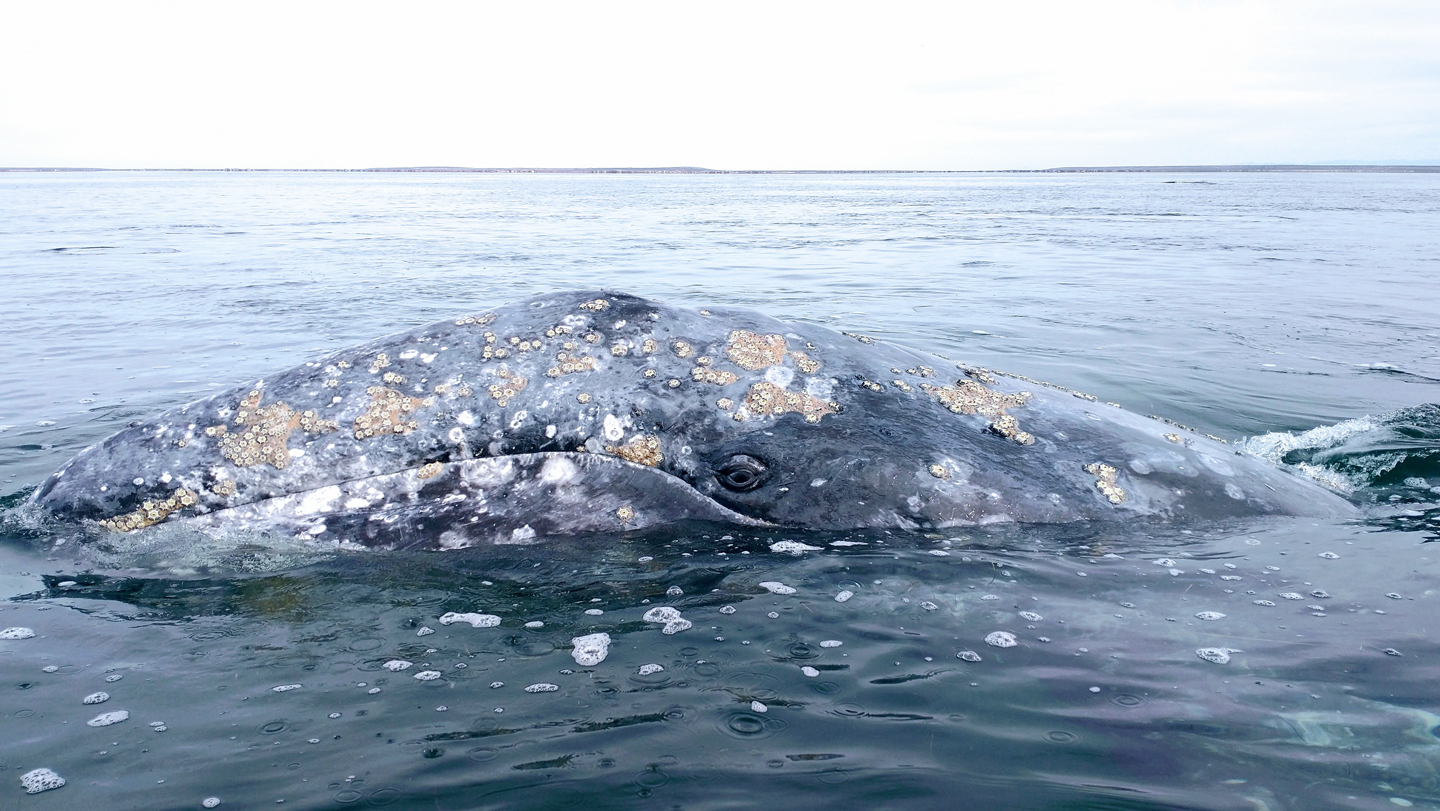
Nearly one in five gray whales entering San Francisco Bay fail to survive, according to new research published in Frontiers in Marine Science. Many of these whales are dying from vessel strikes or malnutrition as they deviate from traditional migration routes to find food.
Researchers tracking the whales found that the heavily trafficked waters of the Bay have become a deadly detour for the species. The study suggests that warming ocean temperatures are disrupting Arctic food supplies, forcing whales to seek emergency feeding grounds in unfamiliar territory.
"Gray whales have a low profile to the water when they surface, and this makes them difficult to see in conditions like fog which are common to San Francisco Bay," said Josephine Slaathaug of Sonoma State University.
Slaathaug, the study's lead author, noted that the Golden Gate Strait acts as a bottleneck where whale and vessel traffic inevitably collide.
High mortality from ship strikes
Between 2018 and 2025, researchers documented 70 gray whale deaths in the region. Of those, 30 deaths were confirmed as ship strikes. Among the whales where a cause of death could be determined, many showed signs of starvation.
Data from the study, which analyzed 114 individual whales, suggests the Bay is not a regular stop for the species. Only four whales were observed in the Bay for more than one year, indicating most individuals are one-time visitors.
"At least 18% of the individuals identified in San Francisco Bay later died in the area," said Bekah Lane of the Center for Coastal Studies.
Lane added that a broader analysis of local strandings found that over 40% of whales died from trauma caused by vessels.
National Oceanic and Atmospheric Administration (NOAA) data shows the gray whale population has declined by more than half since 2016, with sightings of calves becoming increasingly rare. Scientists say the whales may be entering the Bay in poor physical condition, making them less able to avoid oncoming ships.
Researchers are calling for immediate preventive measures, including speed restrictions in high-risk areas and adjusted ferry routes. They also suggest educating commercial vessel operators to reduce the frequency of fatal collisions.