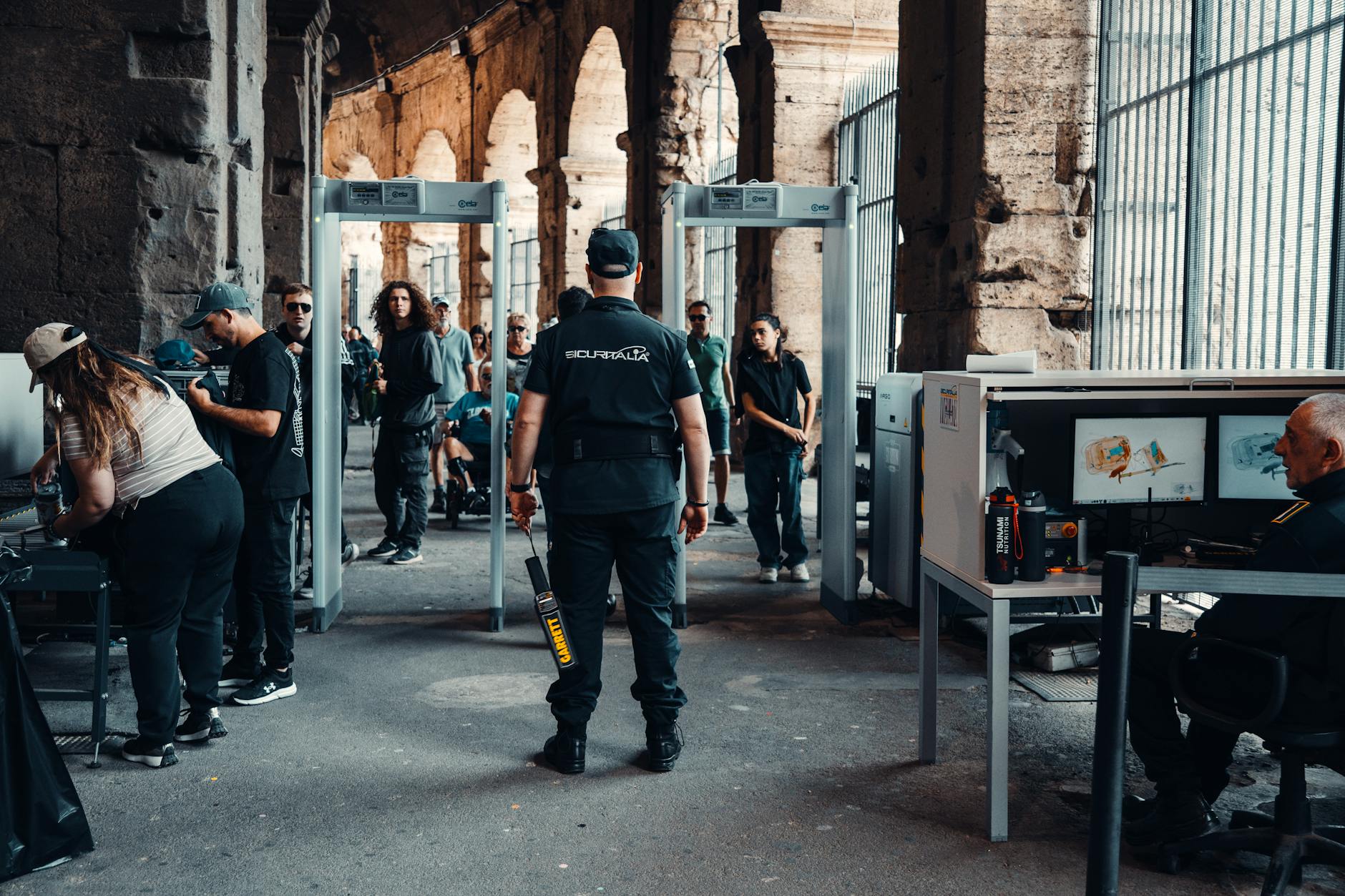
Proposals to install metal detectors and implement bag searches in Chilean schools are facing backlash from community leaders who fear the measures will institutionalize suspicion and discrimination.
According to a report by elmostrador.cl, rising levels of violence in schools have led some parents and educators to call for security measures similar to those used in airports or stadiums.
Parents expressed concern over the lack of protection for students. One mother working in the education sector told the outlet, “if a violent child attacks her daughter, the immediate question will be why the school did nothing.”
Violence in these institutions is not limited to students. The report notes that teachers, school staff, and administrators are also targets of physical, verbal, and psychological aggression. One school principal even stopped providing in-person services due to fear of being assaulted.
The risk of profiling
Community leaders warn that these security protocols could infringe on the fundamental rights of minors. A local community leader questioned the criteria for such searches, asking, “What kind of society are we forming when suspicion is installed at the school entrance?”
Critics argue that comparing schools to airports is inaccurate because airport travelers are consenting adults, whereas school-aged children—including those in kindergarten—cannot provide such consent.
There are also fears that these measures will lead to racial or socioeconomic profiling. The report notes a risk that students will be searched more frequently based on their clothing or the neighborhoods they live in.
Experts suggest that the violence seen in classrooms is a symptom of deeper societal issues. A psychologist cited by elmostrador.cl argued that these security proposals are an insufficient response to the underlying trauma affecting youth.
"The inability to address the pain of childhood and youth, of which violence is only a symptom," the psychologist stated.
Community organizers argue that the solution lies in rebuilding social ties rather than increasing surveillance. They suggest that increasing police-style control in schools may reinforce a sense of living in a dangerous society and treat the most vulnerable students as suspects rather than children in need of care.