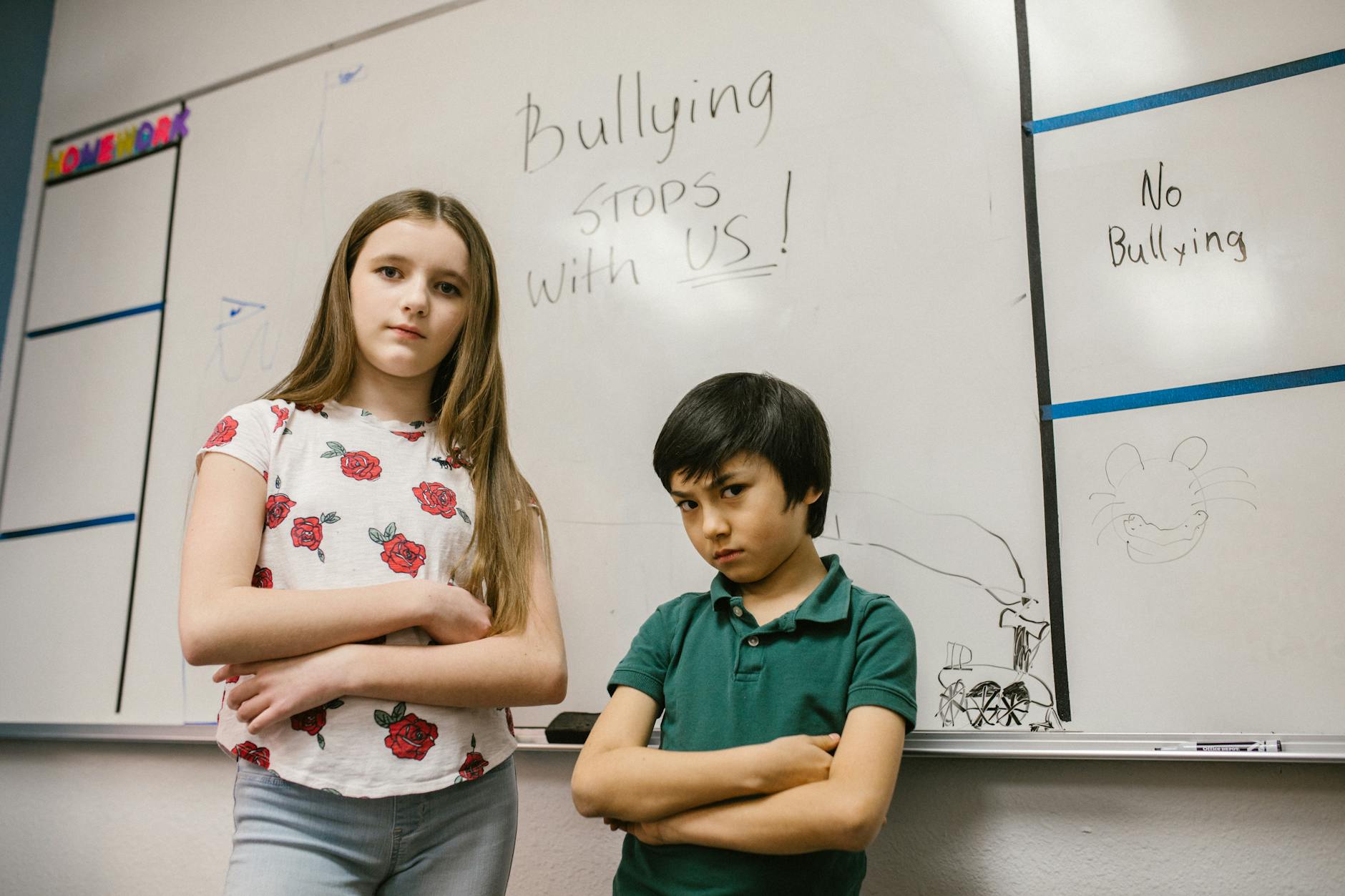
Recent incidents of physical violence in Chilean schools, including a stabbing of an inspector and assaults on school authorities, highlight a growing social crisis, according to a report by elmostrador.cl.
Ana María Salinas M., Director of the Parent-Child Interaction Therapy Program at Fundación Ciudad del Niño, argues these events are not isolated incidents but products of long-term behavioral patterns.
Writing in a letter to the director, Salinas noted that violence is constructed over time, often occurring silently through a failure to learn self-regulation and frustration tolerance.
The role of adult modeling
Salinas emphasizes that children do not inherently possess the skills to manage anger or resolve conflicts. She states that these abilities must be learned through relationships with adults who provide guidance and clear boundaries without resorting to harm.
While violence may offer a sense of control in the short term, it fails to teach respect or self-control, the expert noted.
According to the outlet, Salinas believes that consistent, positive treatment and adult regulation are the only ways to prevent the escalation of conflict.
Adults hold an irreplaceable role in modeling how to resolve disputes and manage emotions in daily interactions. Salinas calls for an urgent, active commitment from caregivers to take responsibility for these patterns.