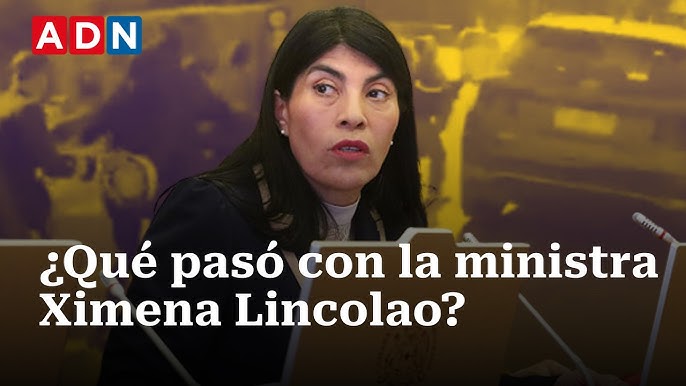
President José Antonio Kast vowed to pursue criminal charges against those responsible for the attack on Science Minister Ximena Lincolao in Valdivia. Speaking from La Moneda, the President characterized the government's response as more than a simple lawsuit, calling it a "persecution" of the perpetrators.
Kast, leading a public show of support alongside his cabinet, ordered immediate investigations and disciplinary proceedings within the university involved in the incident. He described the assault as an act of "total irrationality" and refused to downplay the violence.
Security and migration tensions
Security Minister Trinidad Steinert addressed the Senate regarding the departure of former PDI Intelligence Subdirector Consuelo Peña. Steinert denied any personal involvement in the decision, stating the move was institutional and made by Director Eduardo Cerna. She dismissed rumors of a personal connection as "vexatious."
On the migration front, government spokesperson Mara Sedini addressed the backlog of over 40,000 pending deportation decrees. Sedini stated that mass deportations cannot proceed while illegal entries continue, noting that the administration is focusing on simultaneous border control and enforcement.
The government also announced a plan to deregulate land use starting in June. The initiative aims to modify the General Ordinance of Urbanism and Construction to reduce density restrictions and parking requirements, a move intended to lower housing costs.
In the economic sector, the March Consumer Price Index (IPC) rose by 1%, exceeding market expectations. This increase, driven by higher fuel costs, brought annual inflation to 2.8%. Analysts expect continued inflationary pressure due to energy prices and Middle East instability.
Additionally, Biminister Daniel Mas warned of a "very complex" situation at Codelco. Mas noted that much of the state miner's recent profits stem from accounting adjustments rather than copper performance, calling the current debt model "unsustainable."