US prosecutors argued Thursday that former Venezuelan leader Nicolás Maduro should not access state funds for legal defense in New York. A federal judge acknowledged the dispute regarding sanctioned assets but declined to dismiss the narco-terrorism case immediately. The ruling hinges on whether US sanctions prevent the Venezuelan government from paying necessary legal fees to ensure a fair trial for the accused.
Judge Alvin Hellerstein noted that the right to defense remains paramount under established US law. He stated he would issue a formal ruling at a later time regarding the specific next court date for the proceedings. Prosecutors insisted the funds were illicitly acquired during the long regime of the couple accused of crimes. The judge emphasized the importance of due process for all defendants.
Prosecutors claimed Maduro plundered Venezuelan wealth for personal gain and cited national security concerns regarding the money. They argued the US Office of Foreign Assets Control revoked the license allowing the government to pay fees previously. The defense team denies having access to sufficient personal funds to cover the high costs of the legal battle. They claim the funds are essential for mounting a proper defense against serious international charges.
Under federal law, defendants unable to afford counsel are entitled to court-appointed lawyers in all criminal instances. Maduro's attorneys argued a public defender could not handle the complexity of this unique international case effectively. They sought dismissal of the entire case based on the funding dispute and inability to secure proper representation. Public defenders often lack the resources for international legal battles.
The legal team requested a special license from the US Office of Foreign Assets Control initially for the fees. The agency granted the permission before revoking it due to longstanding sanctions against the country and regime. This process highlights the friction between legal rights and foreign policy restrictions in high-profile geopolitical cases. It demonstrates how sanctions can complicate basic constitutional rights in foreign court proceedings.
Maduro and his wife Cilia Flores were seized in Caracas on January 3 during a dramatic night raid by US forces. They were transported to New York to face weapon and drug allegations in federal court under strict security. Both defendants deny the charges brought against them in the ongoing legal proceedings regarding trafficking. They maintain their innocence regarding the allegations of narco-terrorism and weapons possession. Security protocols remain tight at the detention center in Brooklyn.
During the proceedings, Maduro sat quietly in a green prison jumpsuit with his legal team representing him. He listened to translations through headphones while prosecutors made their arguments against him in the room. This demeanor contrasted sharply with his first hearing where he spoke extensively about innocence and kidnapping. He appeared composed but remained silent as the judge weighed the legal arguments presented by both sides.
Former Vice President Delcy Rodríguez assumed power after Maduro's arrest took place unexpectedly. Venezuela reported resuming diplomatic ties with the United States following the incident and negotiations. Judge Hellerstein questioned the logic of sanctions given the significant change in regional dynamics and relations. He noted the Venezuelan government is willing to pay legal fees under the new arrangement. Diplomatic channels are now open for further negotiations between the two nations.
Residents in Caracas followed the trial closely despite government censorship efforts locally and online. A retired lawyer expressed sympathy for Maduro but noted his greed caused his political downfall eventually. Another resident claimed her President is innocent and will prove it in court eventually despite the accusations. Many citizens are watching the developments closely through international press outlets.
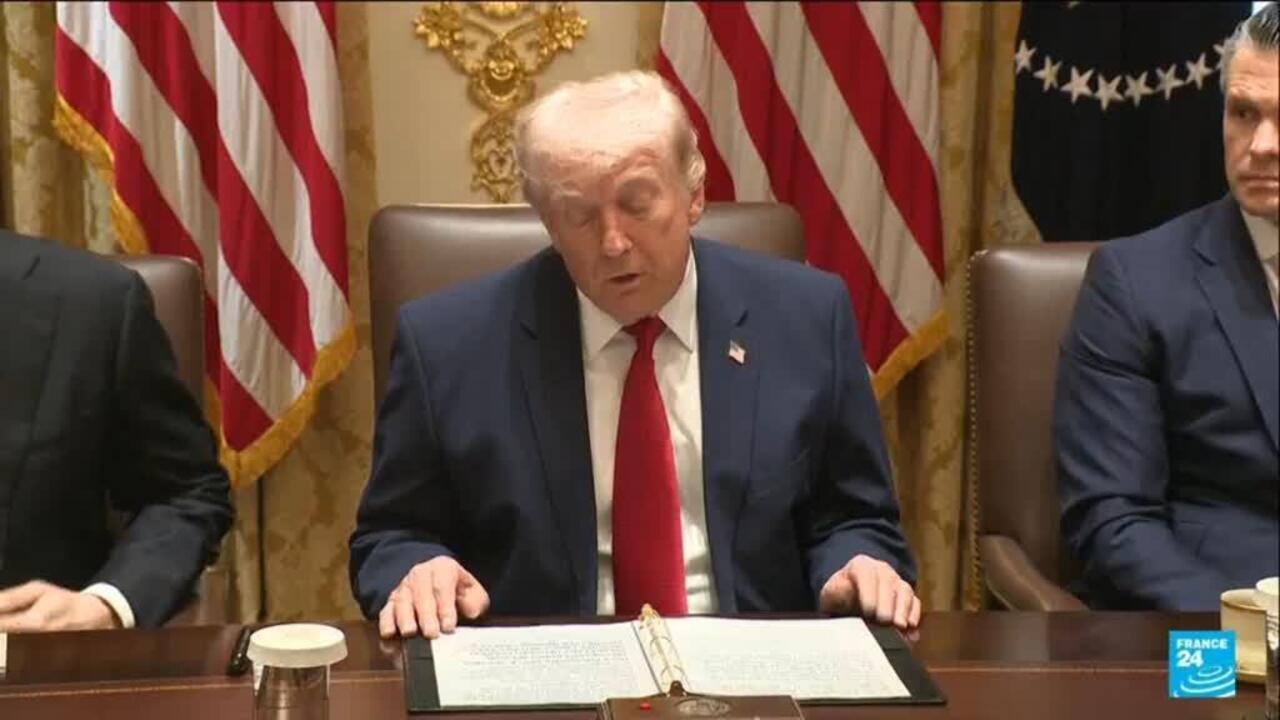
President Donald Trump stated the US is weighing additional cases against the former leader soon in Washington. No trial date has been set as the legal battle continues in Brooklyn detention center without resolution. Observers will watch for how the court resolves the funding and jurisdiction issues moving forward in the case. The outcome could set precedents for how sanctions impact legal defense in other nations.