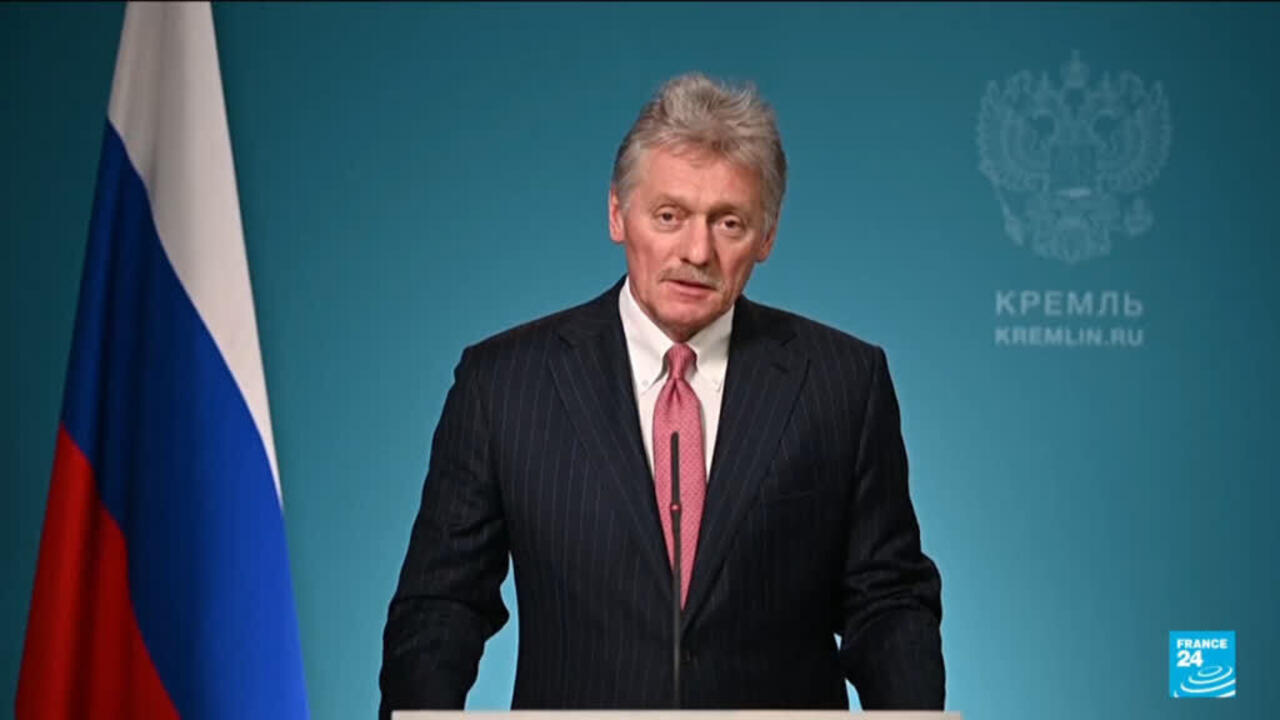
Moscow officially rejected specific claims regarding military transfers to Tehran on Thursday. The Kremlin dismissed a recent Financial Times story alleging drone shipments were nearly complete. This denial comes as regional tensions remain high following February hostilities. The date of the report marks a critical point in the escalating crisis.
Russian officials characterized the report as false information designed to mislead analysts globally. They stated no military aid has been transferred since the conflict began in February. The administration emphasized adherence to diplomatic protocols regarding regional arms flows and supply chains.
The Financial Times publication reportedly suggested the transfer was in an advanced stage of completion. Sources within the publication indicated a significant logistical operation was underway across multiple locations. Such claims would represent a major escalation in the ongoing regional security situation.
Russia maintains a strategic partnership with Iran despite ongoing international scrutiny. Critics argue such cooperation undermines global stability in the energy sector significantly. This dynamic complicates diplomatic efforts to de-escalate violence in the Middle East.
United States and Israeli forces initiated attacks against Iranian targets in February. These operations have heightened the risk of broader military engagement between major powers. Moscow denies direct involvement despite close ties with the Tehran leadership.
Geopolitical analysts warn that unconfirmed reports can fuel market volatility and panic. Investors closely monitor developments in this region due to energy supply dependencies. Any confirmed escalation could impact global oil prices significantly within weeks.
The Kremlin's statement aims to limit diplomatic fallout from the alleged shipment. Officials hope to avoid further sanctions or retaliatory measures from Western nations. This strategy aligns with previous denials regarding military logistics in the area.
Future communications from Moscow will clarify the extent of the bilateral relationship. Observers will watch for subsequent official statements from the State Department. The situation remains fluid as diplomatic channels continue to engage on this issue.
Regional stability depends on transparency regarding arms flows and military capabilities. The international community requires clear data to assess the true scope of the conflict. Continued ambiguity risks further destabilizing the broader geopolitical landscape.