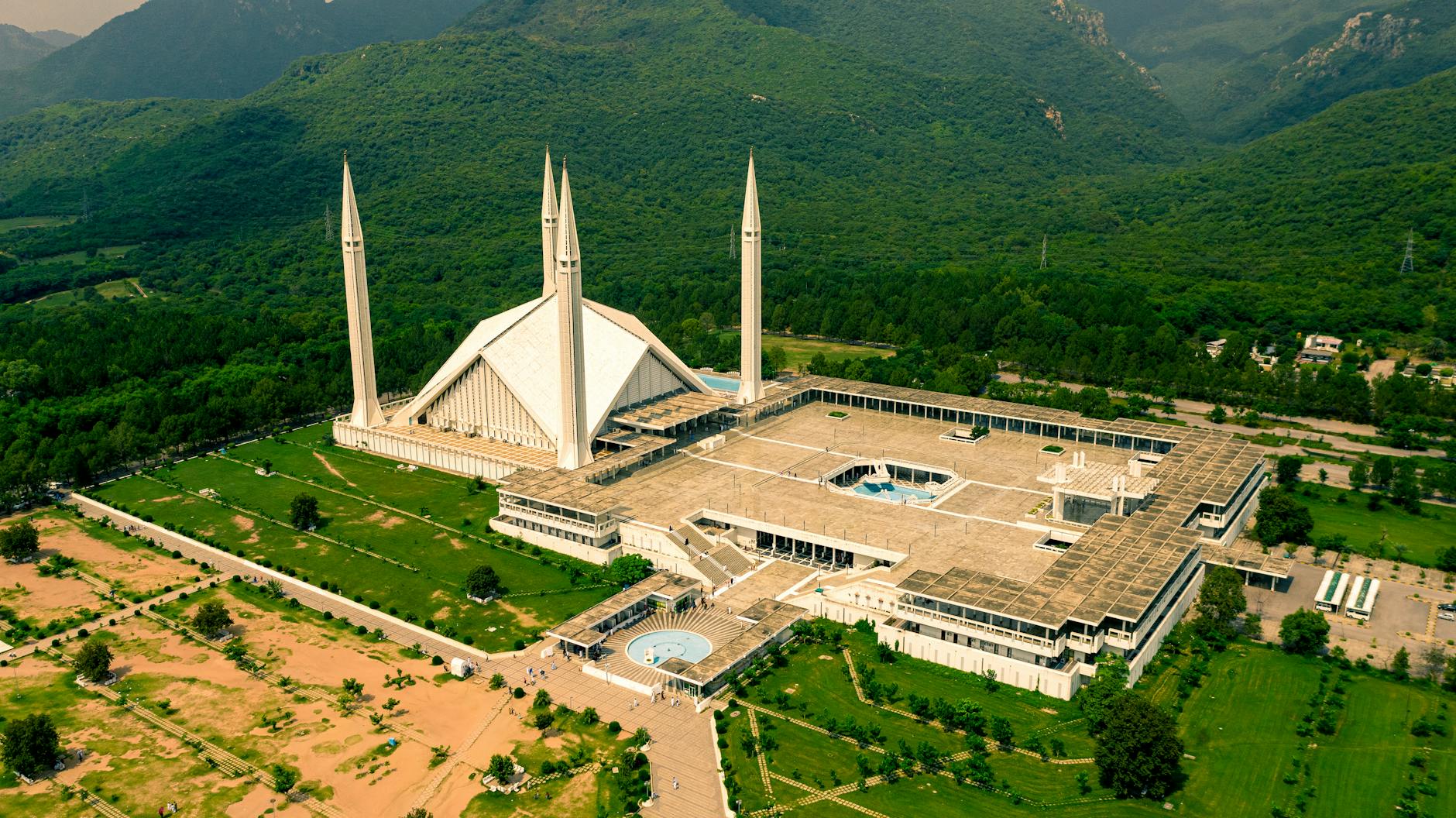
US envoys are expected to arrive in Islamabad on Saturday to attempt to salvage ceasefire negotiations with Tehran, even as Iranian officials have ruled out direct talks with the United States.
Iranian Foreign Minister Abbas Araghchi is currently in Islamabad to meet with Pakistani officials. According to Al Jazeera, Tehran has explicitly stated that no direct negotiations with US representatives are currently planned.
At the same time, Iran has begun resuming commercial flights from Tehran’s Imam Khomeini International Airport. This marks the first time commercial aviation has operated from the capital since the conflict between Iran, the US, and Israel began approximately two months ago.
Iran’s state-run television reported that flights to Istanbul, Muscat, and Medina in Saudi Arabia took off from Tehran on Saturday. The state-owned carrier, Iran Air, also completed an inaugural flight to the city of Mashhad after a 56-day hiatus, according to the IRNA news service.
Aviation and Energy Disruptions
Mohammad Amirani, CEO of the Iran Airports and Air Navigation Company, stated that the country’s eastern regions bordering Turkmenistan, Afghanistan, and Pakistan will be prioritized for domestic and transit flights. IRNA reported that provincial airports including Zahedan, Kerman, Yazd, and Birjand are slated to serve as nodes for directing air traffic.
Authorities in Iran are currently consulting with foreign airlines to clarify routes and re-attract transit flights as the fragile ceasefire continues. These efforts occur while US-led diplomatic maneuvers continue in Pakistan.
The conflict has severely impacted international air travel, forcing much of the Middle East’s airspace to shut down and leaving tens of thousands of travelers stranded. While Qatar and the United Arab Emirates partially reopened their airspaces shortly after the attacks began on February 28, the regional aviation network remains unstable.
Beyond aviation, the ongoing blockade of the Strait of Hormuz is causing significant economic fallout through the disruption of global energy shipments. The International Energy Agency (IEA) head, Fatih Birol, warned earlier this month that Europe has "maybe six weeks or so [of] jet fuel left" and that flight cancellations could begin soon without a change in supply.
Global Economic Impact
The energy crisis is already affecting major carriers. The Lufthansa Group announced on Thursday that it would cut 20,000 short-haul flights through October, citing rising oil prices and fears of jet fuel shortages.
In Europe, the European Union is currently weighing options to import jet fuel from the United States and is considering new minimum reserve quotas to manage the pending supply crunch.
While the ceasefire has paused most active fighting, the economic consequences of the blockade and the regional instability continue to mount across the Middle East and Europe.