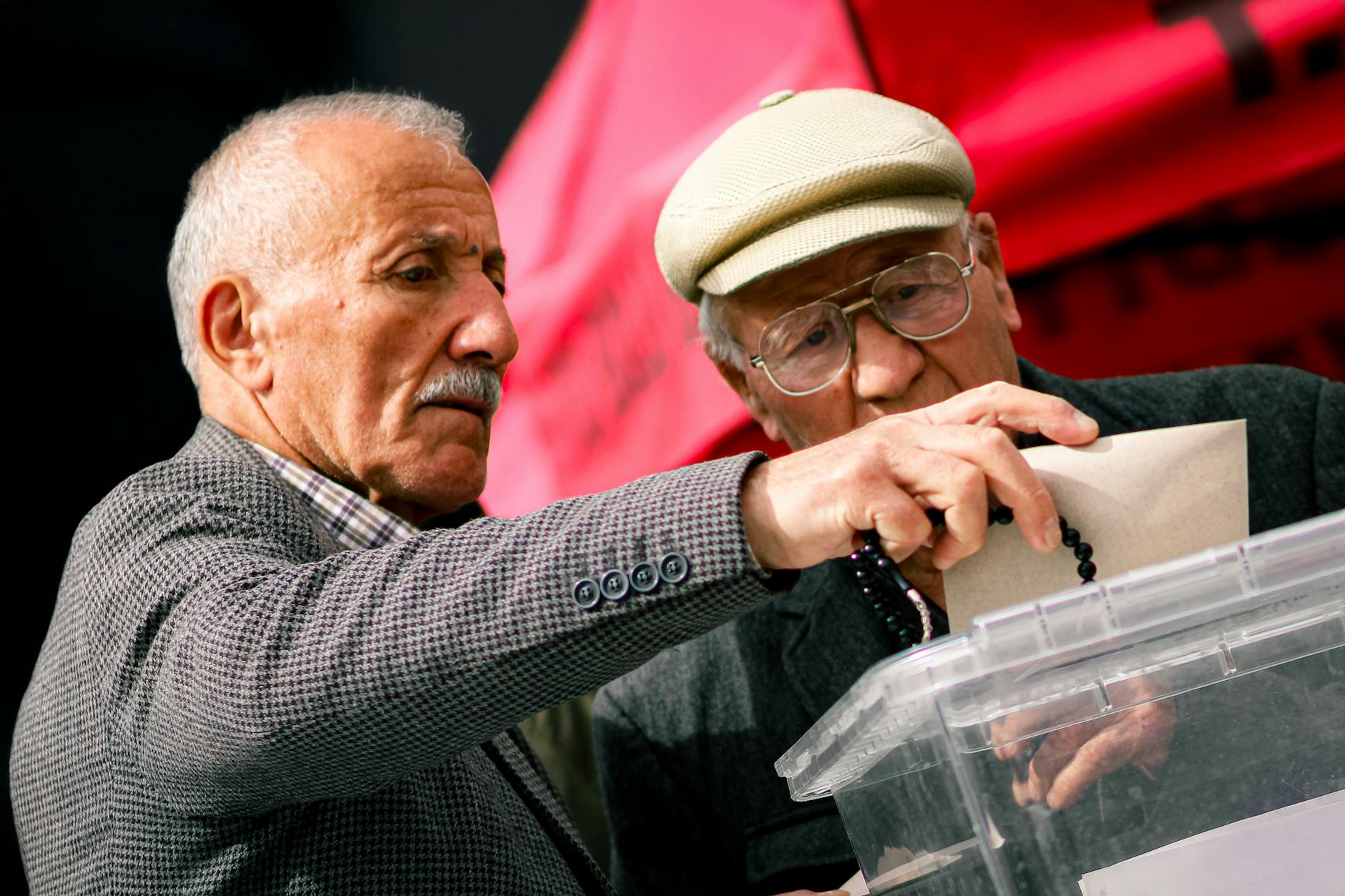
Palestinians in the Gaza Strip and the occupied West Bank began voting in municipal elections on Saturday, marking the first local polls held in Gaza in two decades.
Polling stations in the Deir el-Balah area of Gaza opened at 7 a.m. local time to accommodate 70,000 eligible voters, according to reports from Al Jazeera.
The Gaza portion of the vote serves as a pilot program. Officials selected Deir el-Bally because the area remains one of the few locations in the enclave not destroyed by Israeli military operations.
In the West Bank, nearly 1.5 million registered voters are participating to elect local councils responsible for managing essential services like electricity, water, and roads.
Political landscape and logistics
The elections occur during a period of intense political stagnation. The Palestinian Authority (PA) is attempting to demonstrate reform and legitimacy following years of public frustration over corruption and the absence of national elections since 2006.
Most electoral lists in the current cycle are supported by President Mahmoud Abbas’s Fatah movement or independent candidates. Hamas, which has controlled parts of Gaza since 2007, did not field any official candidates for this municipal vote.
Logistical challenges have defined the process in Gaza. The Ramallah-based Central Elections Commission had to improvise the Deir el-Balah vote because traditional voter registration was impossible due to the ongoing war.
“The main idea is to link the West Bank and Gaza politically as one system,” said Fareed Taamallah, a spokesperson for the commission, according to Al Jazeera.
Taamallah noted that the commission has not coordinated with Israel or Hamas for this specific vote. Furthermore, the commission has been unable to transport essential materials, such as ballot boxes, ink, or paper, into the Gaza Strip.
Ramiz Alakbarov, the United Nations deputy special coordinator for the Middle East peace process, described the elections as “an important opportunity for Palestinians to exercise their democratic rights during an exceptionally challenging period.”
While Hamas did not participate in this municipal round, polling from the Palestinian Center for Policy and Survey Research indicates the group remains the most popular Palestinian faction in both territories.