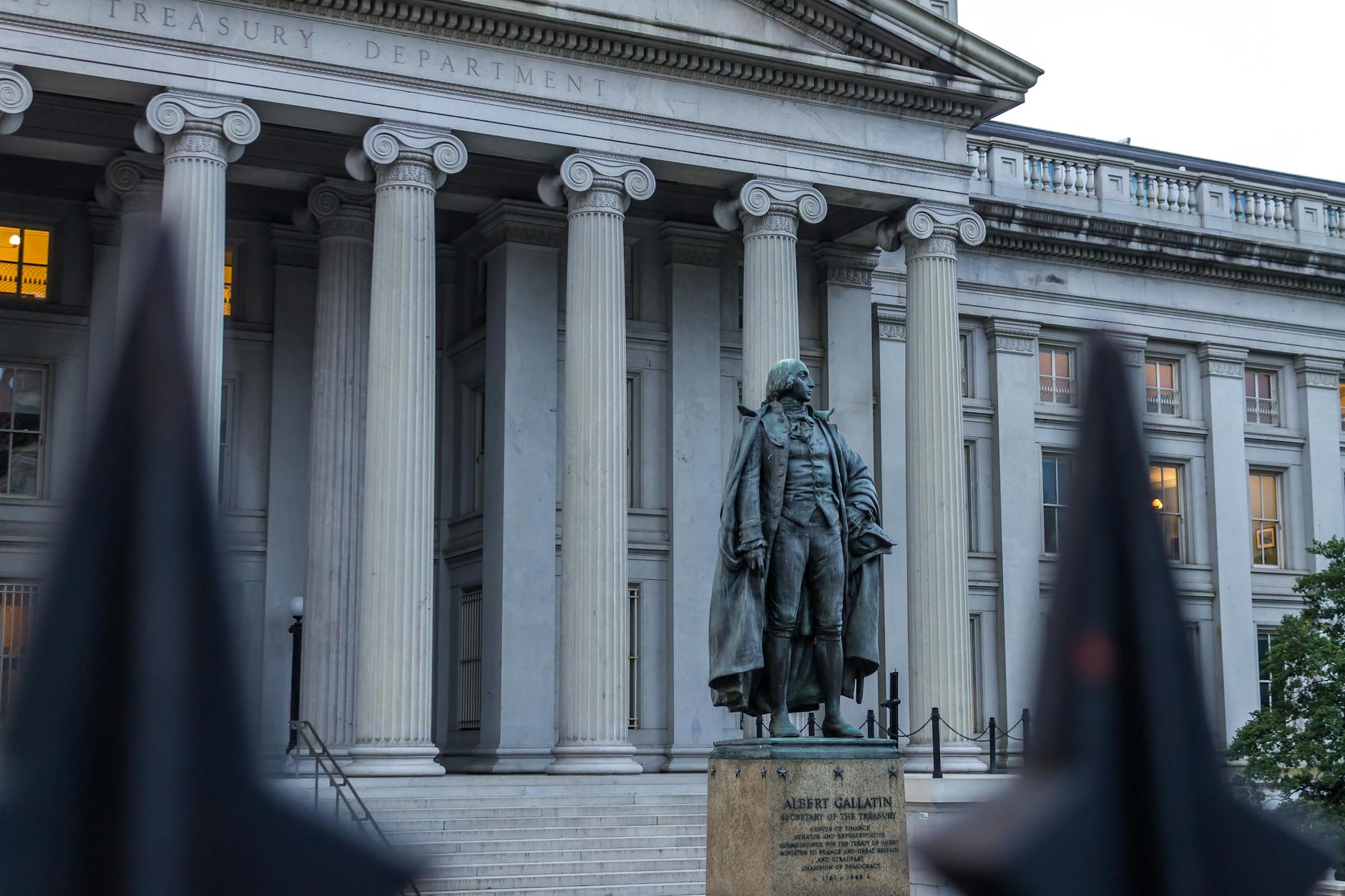
The United States government has modified sanctions against Venezuela to allow the administration in Caracas to pay the legal fees for former President Nicolás Maduro and his wife, Cilias Flores. The decision, announced through judicial documents, permits the Venezuelan executive to finance the defense of the pair as they face narcotics trafficking charges in New York.
According to reports from La Tercera and CNN Chile, the Office of Foreign Assets Control (OFAC) issued amended licenses authorizing these payments under specific constraints. The funds must come from Venezuelan state resources available after March 5, 2026, and cannot be drawn from foreign government deposit accounts.
This move represents a shift in the strategy of the Department of Justice and the Trump administration. Previously, Washington blocked access to these funds, citing national security and foreign policy interests.
Legal challenges and judicial skepticism
The defense team, led by attorney Barry Pollack, had challenged the previous restrictions. Pollack argued that the inability to pay legal fees violated the Sixth Amendment of the U.S. Constitution, which guarantees a defendant's right to choose their counsel.
During a prior hearing, U.S. District Court Judge Alvin Hellerstein expressed skepticism regarding the prosecution's stance. The 92-year-old judge noted that since Maduro and Flores were captured and transferred to the United States, they no longer represent a "threat to national security."
Maduro and Flores were detained in Caracas on January 3, 2026, by U.S. special forces before being transferred to a federal prison in Brooklyn. Both have pleaded not guilty to the charges. A formal trial is not expected to begin for at least one to two years.
Tensions over prisoner releases in Caracas
While Washington eases financial restrictions for the defense, the interim administration in Caracas faces domestic criticism over the status of political prisoners. Interim President Delcy Rodríguez recently stated that the amnesty scheme for releasing political prisoners was "coming to an end."
Rodríguez, a former lieutenant of Maduro, claimed during a meeting of justice officials in Caracas that 8,616 people have been freed under the amnesty law, describing the program as "very successful in terms of its scope and the number of beneficiaries."
However, human rights groups have contested these figures and the president's authority to end the program. The group Foro Penal reported that as of April 20, only 473 people classified as political prisoners had been released, with more than 500 still incarcerated.
Foro Penal vice-president Gonzalo Himiob argued that the administration of justice lacks the willingness to apply the law according to its original principles. He noted that only a new legislative act or a referendum could legally undo the amnesty law, which currently has no expiration date.
Watchdog group Provea also criticized Rodríguez’s comments, stating that ending the releases does not support the promised process of peace and coexistence. The administration's move to end the releases comes despite the fact that the amnesty law was initially promoted by the National Assembly as a way to cover up to 11,000 people.