The United States and Iran exchanged military fire over the weekend, further destabilizing a fragile ceasefire that has been in effect since April 8. U.S. Central Command (CENTCOM) confirmed it conducted "measured and deliberate" strikes on Saturday and Sunday against Iranian radar and drone command-and-control sites in Goruk and on Qeshm Island.
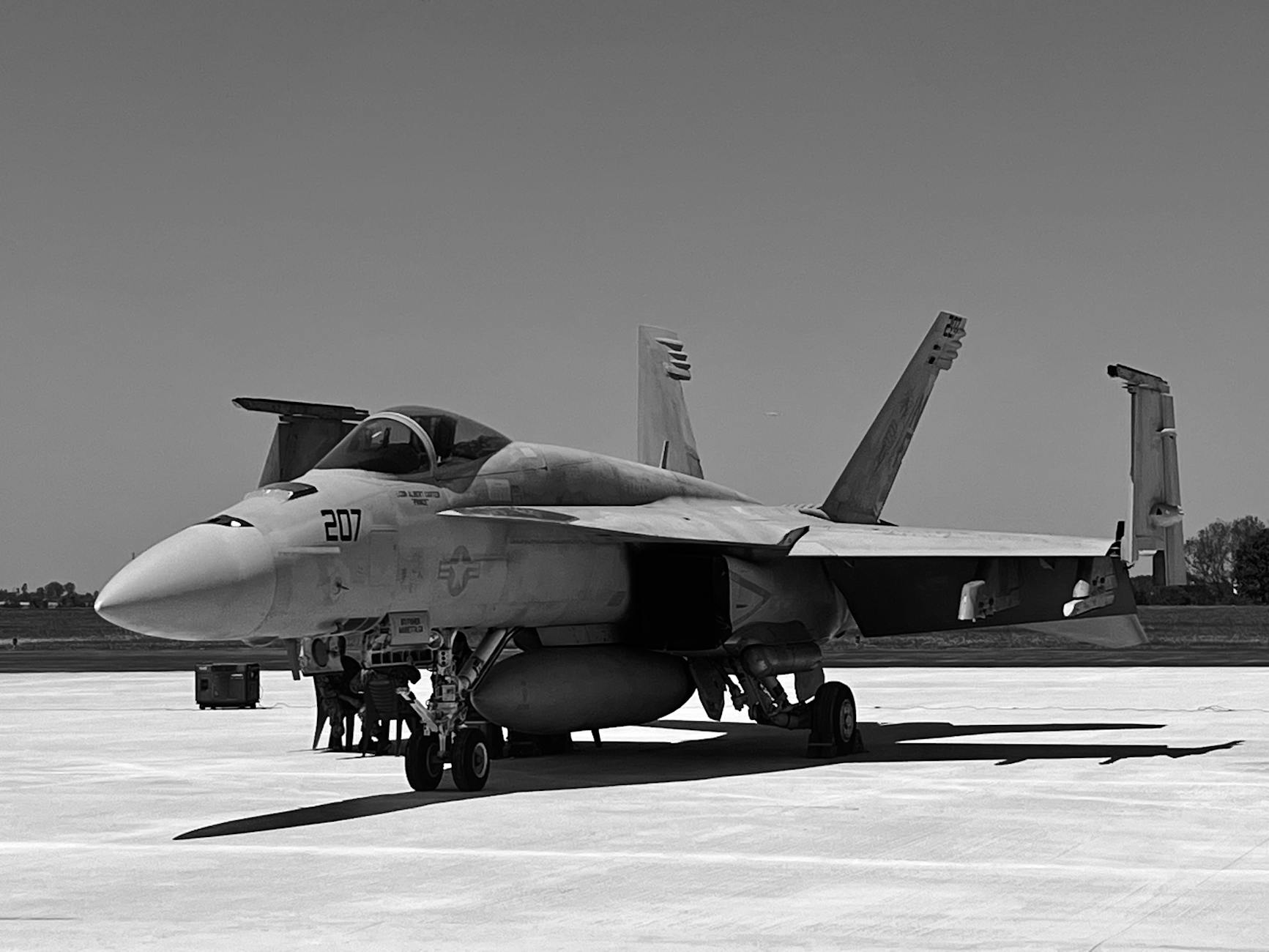
According to CENTCOM, the operation was a response to "aggressive Iranian actions," specifically the downing of a U.S. MQ-1 drone operating in international waters. U.S. fighter aircraft reportedly eliminated Iranian air defenses, a ground control station, and two one-way attack drones that the military identified as clear threats to ships transiting regional waters. CENTCOM stated that no American personnel were injured in the engagement.
In retaliation, Iran’s Islamic Revolutionary Guard Corps (IRGC) launched an attack on a military base used by U.S. forces. The IRGC claimed the strike was a response to an earlier U.S. aggression against a telecommunications tower on Sirik Island in Hormozgan Province. While the IRGC asserted in a statement via the Fars news agency that "predicted targets were destroyed," they did not specify the location of the base targeted in the counter-strike.
The escalation has spilled into neighboring territories, with Kuwait reporting that its air defense systems intercepted hostile missiles and drones. Kuwait’s Ministry of Foreign Affairs condemned the Iranian activity, stating that such aggressions "undermine efforts aimed at de-escalating tensions" and threaten regional security, as reported by the state news agency KUNA.
The violence occurs as negotiations for a peace deal, mediated by Pakistan, appear stalled on the 94th day of the conflict. Sources cited by CBS News indicate that President Donald Trump has requested amendments to the draft agreement, specifically regarding the status of the Strait of Hormuz and the removal of highly enriched uranium. Despite the impasse, Trump posted on his Truth Social platform that "Iran really wants to make a deal, and it will be a good one for the USA."
Meanwhile, the conflict has resulted in more extensive damage to U.S. military infrastructure than previously disclosed by the White House. Analysis by BBC Verify of satellite imagery suggests that Iranian strikes have damaged at least 20 U.S. military sites across eight countries since the end of February, including facilities in Saudi Arabia, the UAE, Qatar, Kuwait, Iraq, Jordan, Bahrain, and Oman. Some analysts estimate the number of bases hit could be as high as 28, with damage reported to state-of-the-art air defense systems, refueling aircraft, and radars.
Amid these military tensions, former U.S. Federal Reserve Chair Jerome Powell warned in Boston on Sunday that the current political climate is putting institutional independence at risk. While accepting the 2026 John F. Kennedy Profile in Courage Award, Powell cautioned against the politicization of the central bank, noting that "if any administration finds a way to remove Fed officials over policy differences, then future administrations will do so as well." Powell, who stepped down as head of the Fed last month, added that such actions would cause the public to lose faith in the central bank's ability to make decisions based on what is best for all Americans.