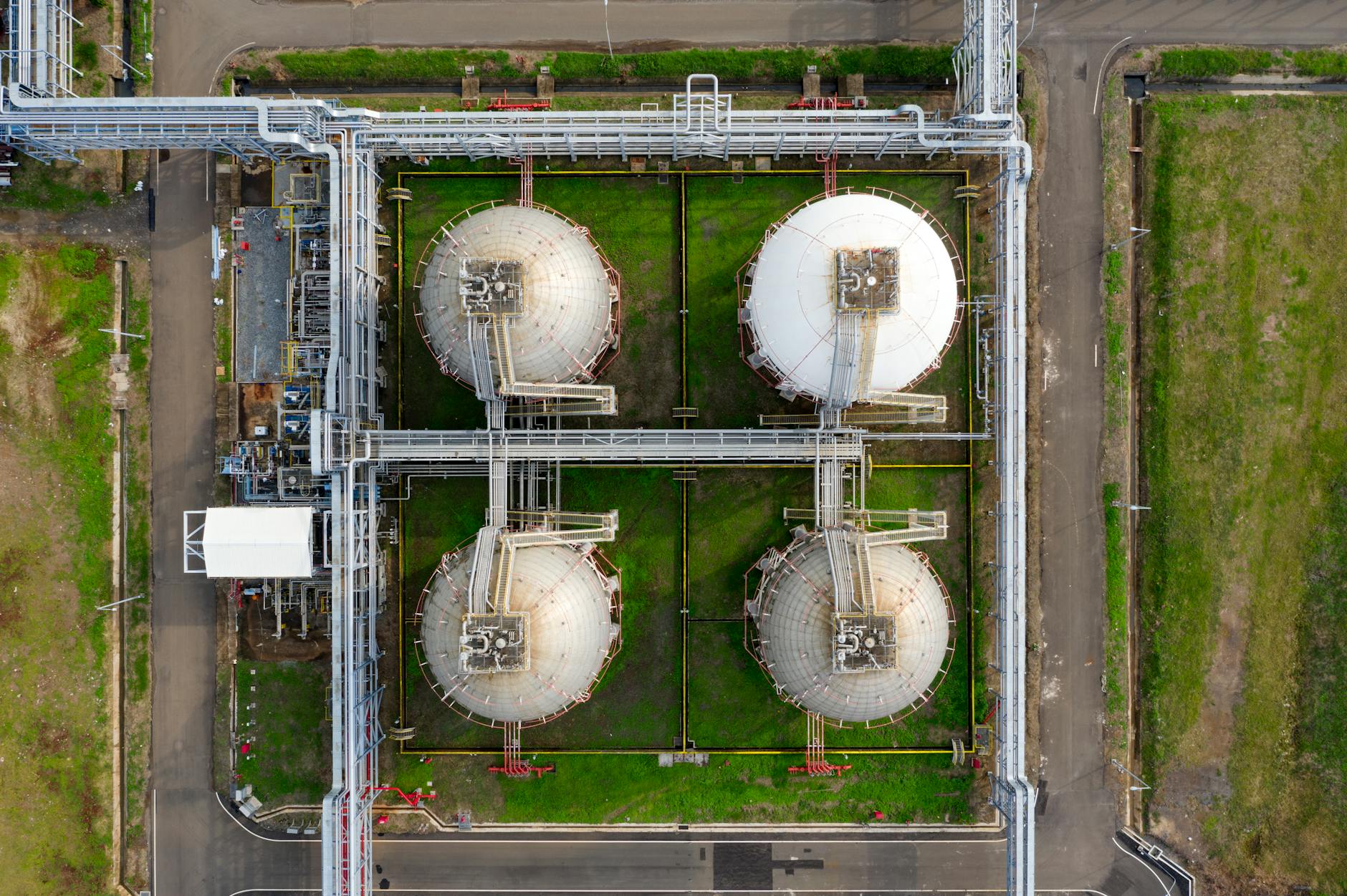
Ukrainian forces launched a coordinated wave of long-range drone strikes against Russian energy infrastructure over the weekend. The General Staff in Kyiv confirmed on Sunday that drones hit the Rosneft-owned Saratov oil refinery, causing a large-scale fire at a facility that produces diesel and gasoline for the Russian war effort. Saratov Governor Roman Busargin confirmed damage to “civilian infrastructure,” while the independent Russian news channel Astra reported a massive blaze at the site.
In the Rostov region, local Governor Yuriy Slyusar reported that drone debris ignited a fuel depot in the town of Matveev Kurgan, forcing the evacuation of nearby residents. Ukraine’s General Staff also claimed a strike on the Lazarevo pumping station in the Kirov region. Located more than 745 miles from Ukrainian-controlled territory, the station is a critical node for shipping Siberian oil to Belarus. Kirov Governor Alexander Sokolov confirmed a strike on a facility in his region but provided no further details.
Simultaneously, tensions escalated regarding the Russian-occupied Zaporizhzhia nuclear plant. Rosatom CEO Alexei Likhachev accused Ukraine of a “deliberate” attack, claiming a kamikaze drone tore a hole in the wall of a turbine hall at the facility. Kyiv flatly denied the allegation, maintaining that its forces do not target nuclear infrastructure.
Diplomatic friction also emerged in Romania, where President Nicușor Dan faced domestic backlash after demanding that Russia adjust its military tactics to ensure Romanian citizens are not harmed by strikes on neighboring Ukrainian cities. “It became dangerous for Romanian citizens,” Dan told the BBC World Service on May 31, noting that his country has experienced 20 to 30 drone incidents in the last two years. While Dan threatened to expel the Russian ambassador, critics labeled his remarks as “devoid of humanity” for failing to condemn the illegality of the Russian strikes themselves.
Economic pressure on Moscow continued as French President Emmanuel Macron announced the interception of the sanctioned Russian oil tankerTagorin international waters off the coast of Brittany. Supported by the UK, the French Navy boarded the vessel, which authorities said was flying a false flag. Macron declared on X that it is “unacceptable for ships to circumvent international sanctions” and fund the war, now in its fifth year. The Kremlin dismissed the operation as “bordering on international piracy,” with spokesman Dmitry Peskov asserting that Russia is taking measures to ensure the safety of its cargo.
Meanwhile, the European Union is considering a significant shift in its migration policy. According to an internal Council of the EU paper seen by Euractiv, member states are debating whether to exclude military-age Ukrainian men from future extensions of the bloc’s Temporary Protection Directive. The scheme currently shelters more than four million people, but some capitals argue that narrowing the scope to exclude new male applicants would support Ukraine’s recruitment challenges as the war enters its fifth year. The current directive, which allows Ukrainians to live and work in the EU without national asylum processing, is set to expire in March 2027.