G-Seven foreign ministers are actively seeking an exit strategy as tensions between the United States and Iran intensify under the Trump administration. Mixed signals from Washington have destabilized traditional alliances across the Atlantic and within the Middle East region. Diplomatic sources indicate significant strain on transatlantic trust following recent policy announcements on March 26, 2026.
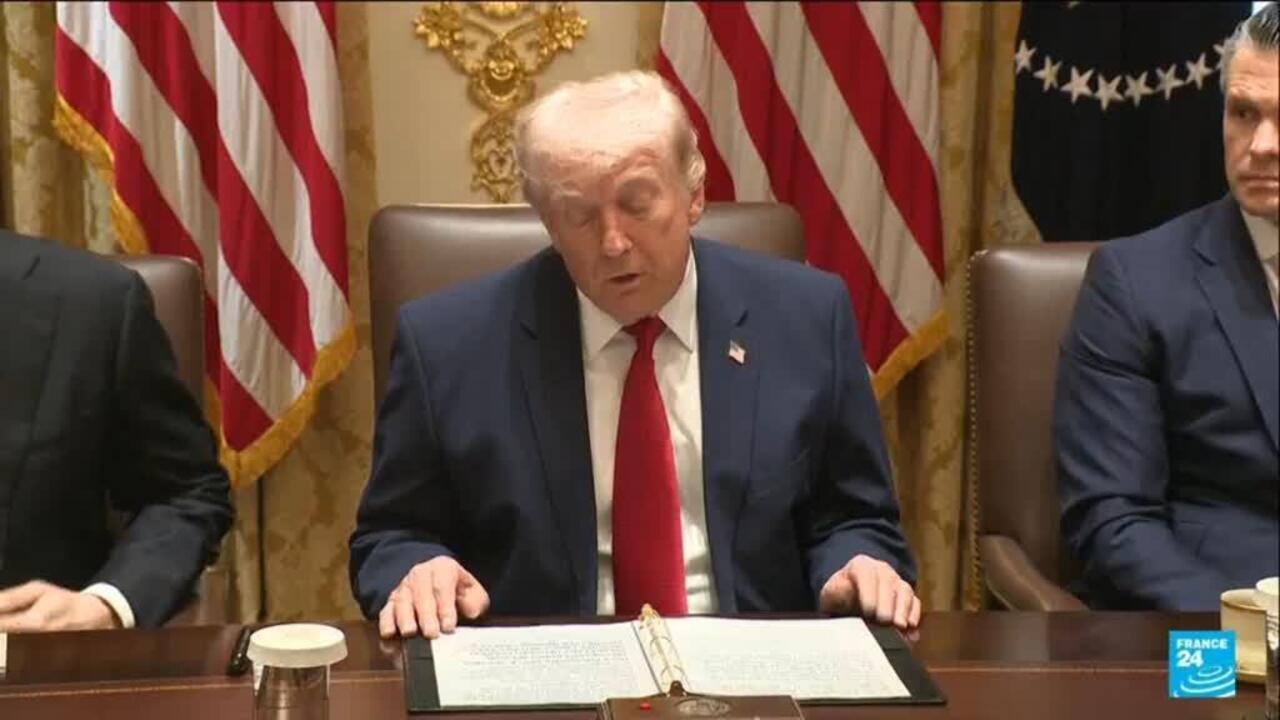
President Donald Trump issued contradictory statements regarding military action, prompting confusion among European partners. While some advisors called for sanctions, others signaled a potential withdrawal of support for regional security guarantees. This inconsistency has forced NATO members to reassess their defense commitments without clear US direction.
France confirmed it would not disinvite South Africa from the upcoming June G7 summit despite pressure from Washington. The decision aims to maintain the group's inclusive nature while placating American demands for stricter trade policies. Officials stated this move protects the integrity of the summit agenda against unilateral US interference.
Global energy markets reacted sharply to the uncertainty surrounding potential hostilities in the Persian Gulf. Oil prices fluctuated by 4% within the first hour of the news breaking in London and New York. Analysts warn that prolonged instability could disrupt critical shipping lanes vital for international commerce.
This situation mirrors the diplomatic fracturing seen during the previous US withdrawal from the Iran nuclear deal in 2018. However, the current administration's approach lacks a unified strategic framework, according to geopolitical experts at the Council on Foreign Relations. Recent polling suggests public support for intervention is waning in European capitals. The absence of a coherent policy increases the risk of miscalculation by regional actors.
A senior European diplomat told Reuters that the lack of clarity from the White House challenges the credibility of the alliance. "We need a partner, not a transactional negotiator," the official said during a closed-door briefing in Brussels. Other allies expressed similar concerns regarding the reliability of future security guarantees.
Iran reportedly threatened cyber retaliations against US infrastructure in response to the diplomatic pressure. Intelligence agencies monitor these digital threats alongside traditional military posturing in the Strait of Hormuz. The dual nature of the confrontation complicates the response strategy for Western intelligence communities.
The ongoing volatility poses risks to global supply chains and inflation targets set for the remainder of 2026. Investors are increasingly viewing the region as a high-risk zone for long-term capital deployment. Commodity traders are hedging against supply disruptions caused by potential naval blockades. Central banks may need to adjust monetary policies if energy costs remain elevated.
Foreign ministers are scheduled to convene again next week to discuss a unified diplomatic offramp for the crisis. The outcome of these talks will likely determine the trajectory of US foreign policy for the next fiscal year. Observers will watch for any concrete commitments from the US administration.
The situation underscores the fragility of multilateral institutions when major powers pursue divergent interests. Stability in the Middle East remains contingent on a restored consensus among Western allies and Tehran. The world economy waits to see if diplomacy can override the current momentum toward conflict.