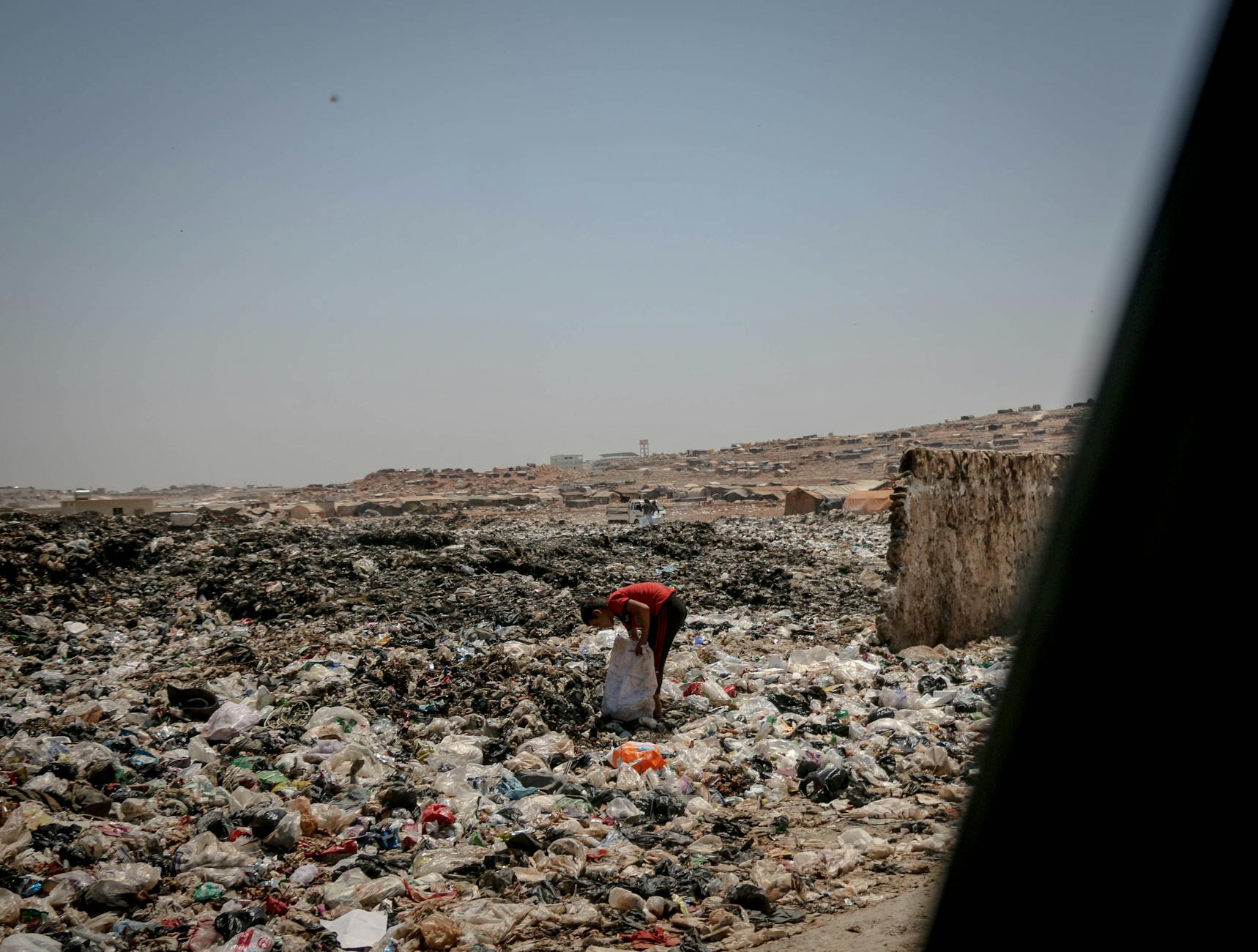
Over nine million people remain displaced across Sudan as nearly 2-9 million face acute hunger, according to a recent report from Al Jazeera.
A survey conducted by the Norwegian Refugee Council (NRC) involving 1,293 households in Sudan, Chad, and South Sudan highlights a devastating cycle of loss. The data shows that 90 percent of surveyed families have lost their homes.
Nearly three-quarters of these displaced populations have no steady income. Food shortages have reached critical levels, with more than 80 percent of households in Sudan regularly skipping meals.
A cycle of exhaustion
Families fleeing the war that reached Sudanese streets in April 2023 continue to relocate frequently. By their fourth displacement, nearly two-thirds of people report complete exhaustion and the total depletion of their resources.
The conflict has also fractured families, with approximately 65 percent of those surveyed reporting separation from relatives.
“In Sudan now, you are always running,” said Amina, a mother who fled Khartoum with four children. She noted she fled with only the clothes on her back after her husband disappeared during the first days of fighting. “Running from war. Running for food.”
Educational systems have also collapsed under the weight of the crisis. Only 45 percent of displaced children in the three studied countries attend school regularly, while 18 percent of households have been forced to send their children into the workforce.
Despite the hardship, the report notes a persistent culture of solidarity. In Sudan and Chad, about one in three aid recipients continue to share their meager supplies with neighbors and new arrivals.
However, the outlet reported that this informal lifeline is now stretched to its breaking point. The survey concludes that while resilience has sustained the population, families can no longer shoulder the burden alone.