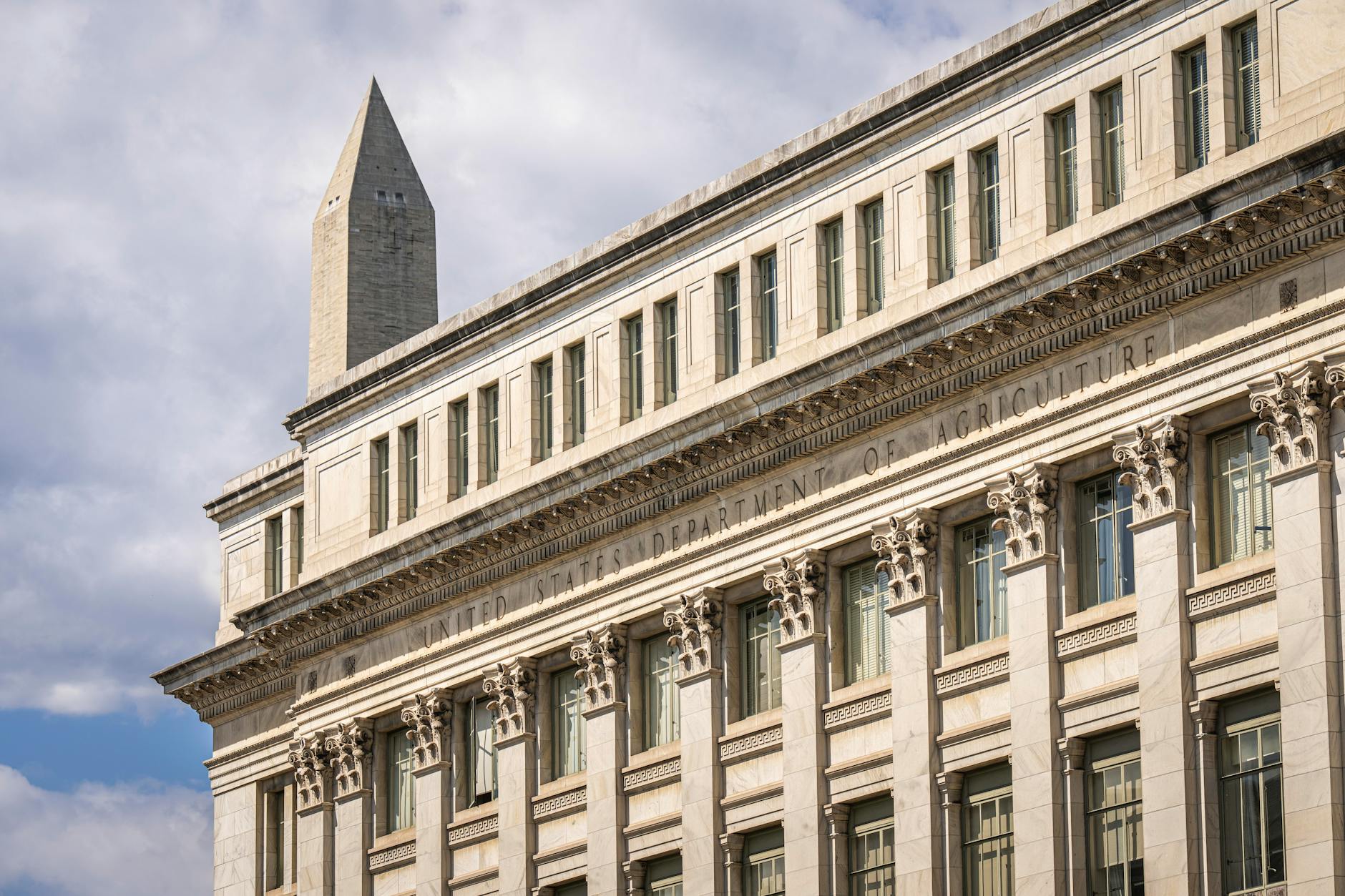
The ambassadors of Lebanon and Israel arrived at the U.S. State Department in Washington on Monday for the first direct diplomatic talks between their nations in decades.
U.S. Secretary of State Marco Rubio is hosting the discussions. The meeting brings the two representatives to the same table for the first time in several decades.
The arrival of the diplomats at the State Department headquarters marks a departure from the long-standing reliance on third-party intermediaries. For decades, communication between the two countries has been conducted through indirect channels.
Direct Engagement in Washington
The presence of both ambassadors in Washington signifies a move toward direct bilateral engagement. The State Department has not yet released a specific list of discussion topics.
The negotiations take place under the direct supervision of the United States. Secretary Rubio's role as host places the U.S. at the center of these diplomatic efforts.
This meeting follows a period of prolonged-distance diplomacy. The two nations have lacked a direct diplomatic mechanism for decades.
The State Department confirmed the arrival of the ambassadors at the department's Washington headquarters. Neither embassy has issued a joint statement regarding the outcome of the initial sessions.
The talks represent a primary opportunity for the two parties to communicate without the immediate mediation of external actors. This direct contact aims to establish a framework for future dialogue.
The U.S. government's involvement in hosting the talks highlights the central role of American diplomacy in the region. The proceedings continue as both sides navigate the complexities of the current diplomatic landscape.