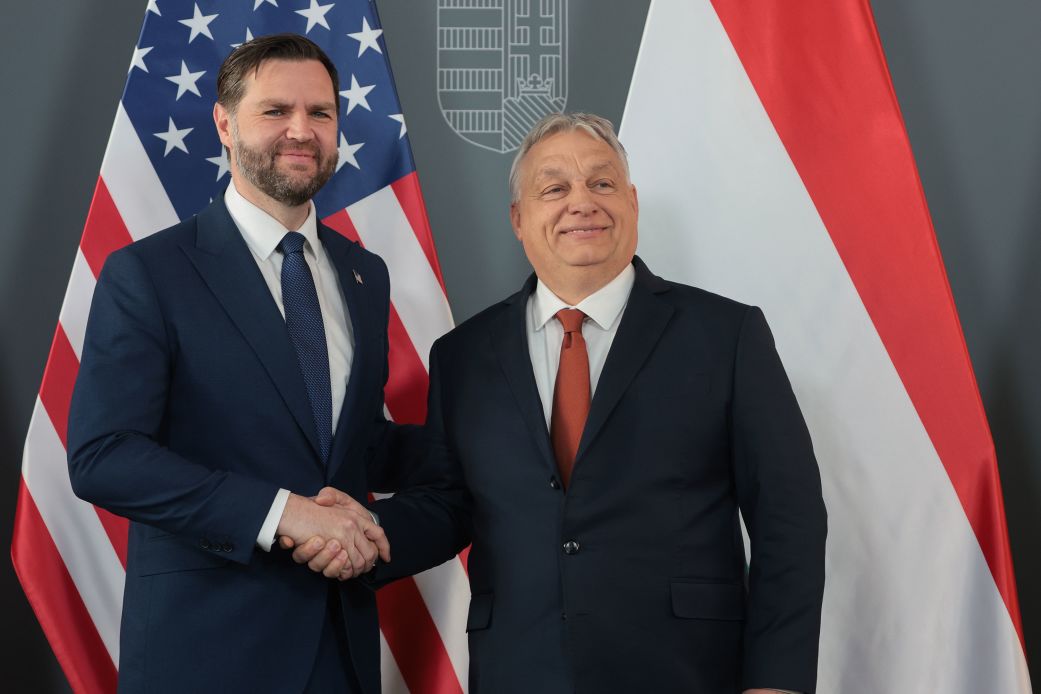
U.S. Vice President JD Vance arrived in Budapest on Monday to hold two days of bilateral meetings in a high-profile show of support for Hungarian Prime Minister Viktor Orban. The visit comes just days before Hungary’s April 12 parliamentary elections, which represent the toughest electoral challenge for Orban’s Fidesz party in over a decade.
According to France24, the trip serves to deliver a direct endorsement from the Trump administration to its nationalist ally. Vance is expected to meet with the Prime Minister and deliver a speech focused on bilateral ties, European affairs, and the ongoing conflict in Ukraine.
Kim Lane Scheppele, a sociology professor at Princeton University, noted that the visit is designed to highlight the close relationship between the two administrations. "Orban will make a big deal out of the fact that he’s got Trump’s support. And that’s why Vance is coming," Scheppele told Al Jazeera.
A shifting electoral landscape
Despite the White House's backing, the political outlook for Orban remains uncertain. While the Prime Minister has held power for 16 years, recent polling suggests he is trailing challenger Peter Magyar and his Tisza Party by margins ranging from 8 to 20 percent.
Magyar, a former high-ranking Fidesz official who broke with the party two years ago, has centered his campaign on allegations of corruption, the degradation of social services, and the state of the Hungarian economy. He has also campaigned on repairing ties with the European Union, which suspended billions of euros in funding in 2022 due to concerns over democratic backsliding and the independence of the judiciary.
Critics of the current administration, including the opposition, argue that the electoral system has been skewed to favor Fidesz. However, Scheppele expressed skepticism that the U.S. intervention will alter the outcome of the vote. "One visit by a relatively low-profile American vice president is not going to change that," she said.
Orban has countered the opposition's platform by characterizing his rivals as destabilizing forces who would prioritize the interests of the European Union and Ukraine over Hungary’s national sovereignty. The electoral contest remains a flashpoint for European politics, as the continent watches to see if the tide is turning against populist leadership.