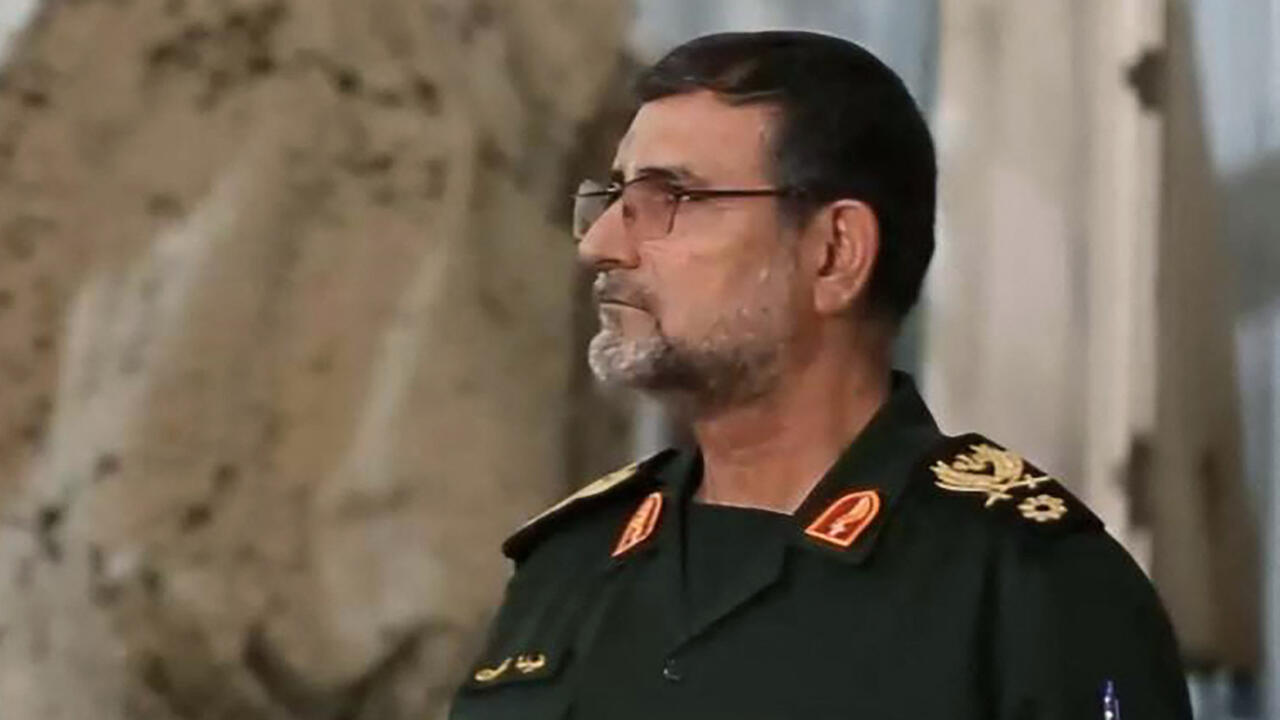
Israel Defence Minister Israel Katz confirmed on Thursday that an air strike eliminated Alireza Tangsiri, commander of the Iranian Revolutionary Guards' navy. The operation took place last night and targeted senior officers of the naval command alongside the primary figure. This event marks a significant escalation in the ongoing military confrontation between the two nations.
Katz stated in a video release that the IDF conducted a precise and lethal operation against the commander. He identified Tangsiri as directly responsible for mining and blocking the Strait of Hormuz to shipping lanes. The Defence Minister emphasized that the target has been blown up and eliminated from the command structure.
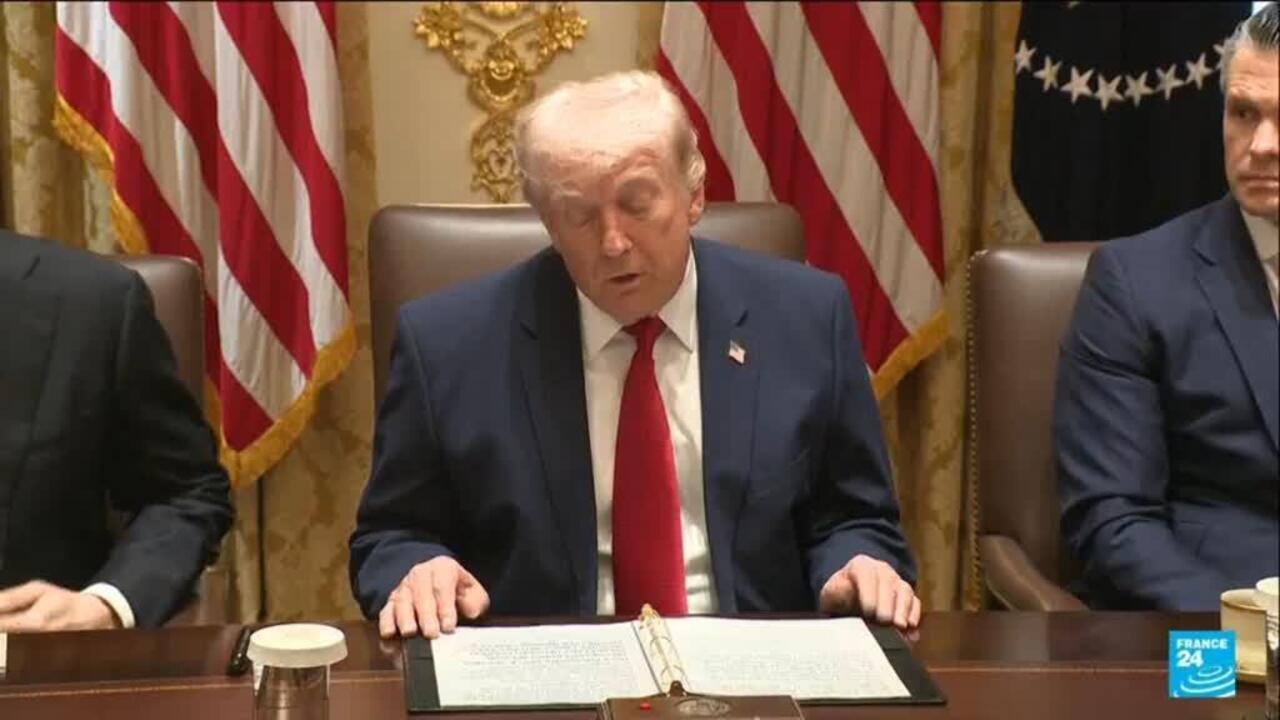
The US military officially confirmed the killing on Thursday, asserting that Tangsiri's death makes the region safer. Admiral Brad Cooper, commander of US Central Command, issued a statement urging Iranian IRGC navy personnel to abandon their posts. Cooper warned that continuing service could lead to unnecessary injury or death for those individuals.
Since the start of joint US-Israeli attacks on Iran on February 28, Israel has announced the killing of several top Iranian officials. Previous targets included supreme leader Ali Khamenei and the Islamic republic's powerful security chief, Ali Larijani. These strikes represent a systematic dismantling of the Iranian military hierarchy over the past month.
In recent days, Israeli forces have carried out several strikes targeting the naval assets of Iran specifically. Last week, airstrikes hit several Iranian naval ships in the Caspian Sea, including vessels equipped with missile systems. Support vessels and patrol craft were also destroyed during these targeted operations.
The death toll from the war has risen to more than 1,900 people in Iran and nearly 1,100 people in Lebanon. Dozens more have been killed in Israel and elsewhere in the region during the conflict. 13 US military members have died while millions of people in Lebanon and Iran have been displaced.
Regional stability faces severe strain as major shipping routes remain under threat from naval mining activities. The Strait of Hormuz is a critical chokepoint for global energy supplies and commercial trade. Disruption to this waterway would likely cause immediate volatility in global oil markets and insurance costs.
Meanwhile, the US was preparing for the arrival of thousands of troops that could be used on the ground in Iran. This deployment signals a potential shift from air strikes to a broader ground intervention strategy. Observers will watch for further troop movements as Washington assesses the situation on the ground.