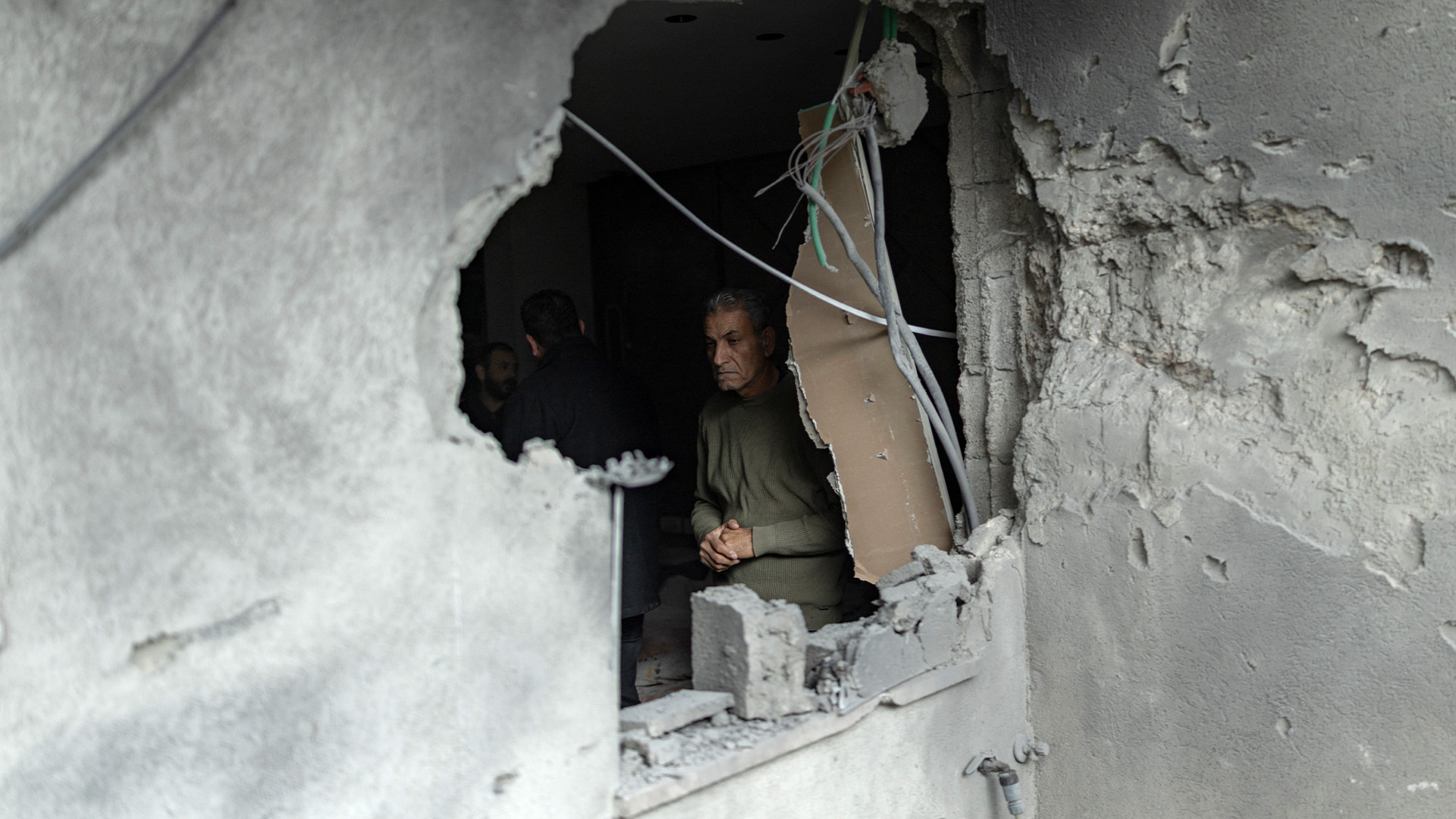
Iranian ballistic missiles struck multiple targets across Israel on Wednesday, marking a significant escalation in regional hostilities. The attack occurred shortly after reports emerged of coordinated US-Israeli operations targeting Iranian missile infrastructure. This development heightens tensions between Tehran and Washington amid ongoing diplomatic efforts.
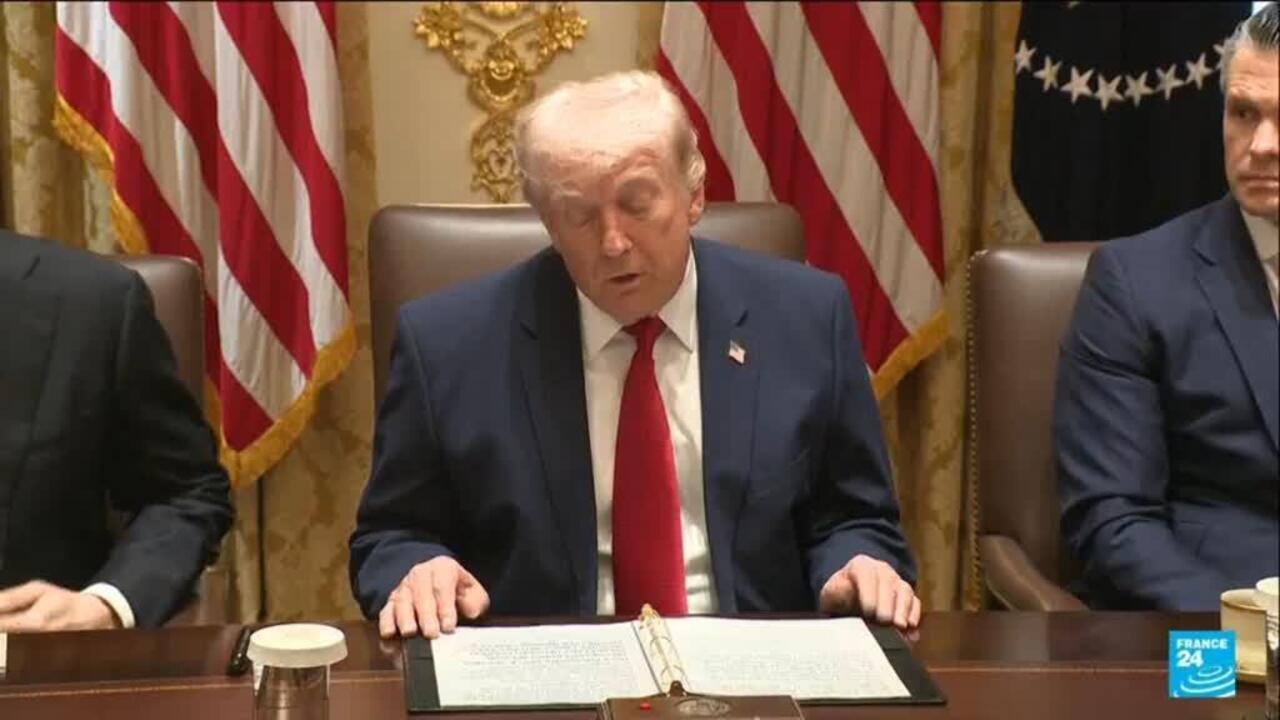
President Donald Trump stated on social media that American forces had destroyed the majority of Iran’s missile launchers. The White House has not yet released an official statement confirming the scale of the strikes or specific locations. Analysts suggest the move signals a shift from containment to direct action against strategic assets.
The International Atomic Energy Agency issued a stern warning regarding potential damage to Iranian nuclear facilities. Inspectors noted that a major radiological accident remains a possibility if specific sites are compromised. This concern adds a critical layer of risk to the unfolding military confrontation.
In Lebanon, an Israeli airstrike on the southern region resulted in two deaths and eight injuries. Local officials confirmed the casualties occurred near a residential area, drawing international condemnation. The incident underscores the spillover effects of the broader conflict between Israel and Iran.
Tehran has not yet issued an official response to the missile barrage or the retaliatory strikes. Unconfirmed reports suggest the government is assessing the damage before formulating a public statement. Silence from the capital often precedes a more aggressive diplomatic or military posture.
Global energy markets reacted immediately to the news, with crude oil prices rising by more than three percent. Investors are concerned about potential disruptions to shipping lanes in the Strait of Hormuz. Economists warn that sustained conflict could drive fuel costs higher for consumers worldwide.
This escalation mirrors previous confrontations in 2020 and 2024, though the involvement of US assets marks a new dynamic. Previous attempts at negotiation have failed to prevent further aggression from either side. The current situation tests the limits of existing diplomatic frameworks in the region.
Financial markets remain volatile as traders assess the long-term implications for Middle East stability. Cryptocurrency prices also showed sensitivity to the geopolitical news, with Bitcoin fluctuating significantly. Institutional investors are closely monitoring the situation for signs of broader regional war.
Government officials in Washington are expected to brief congressional leaders on the military operations later today. The administration faces pressure to justify the use of force while avoiding a full-scale war. Continued dialogue with allies will be crucial in managing the fallout from these events.