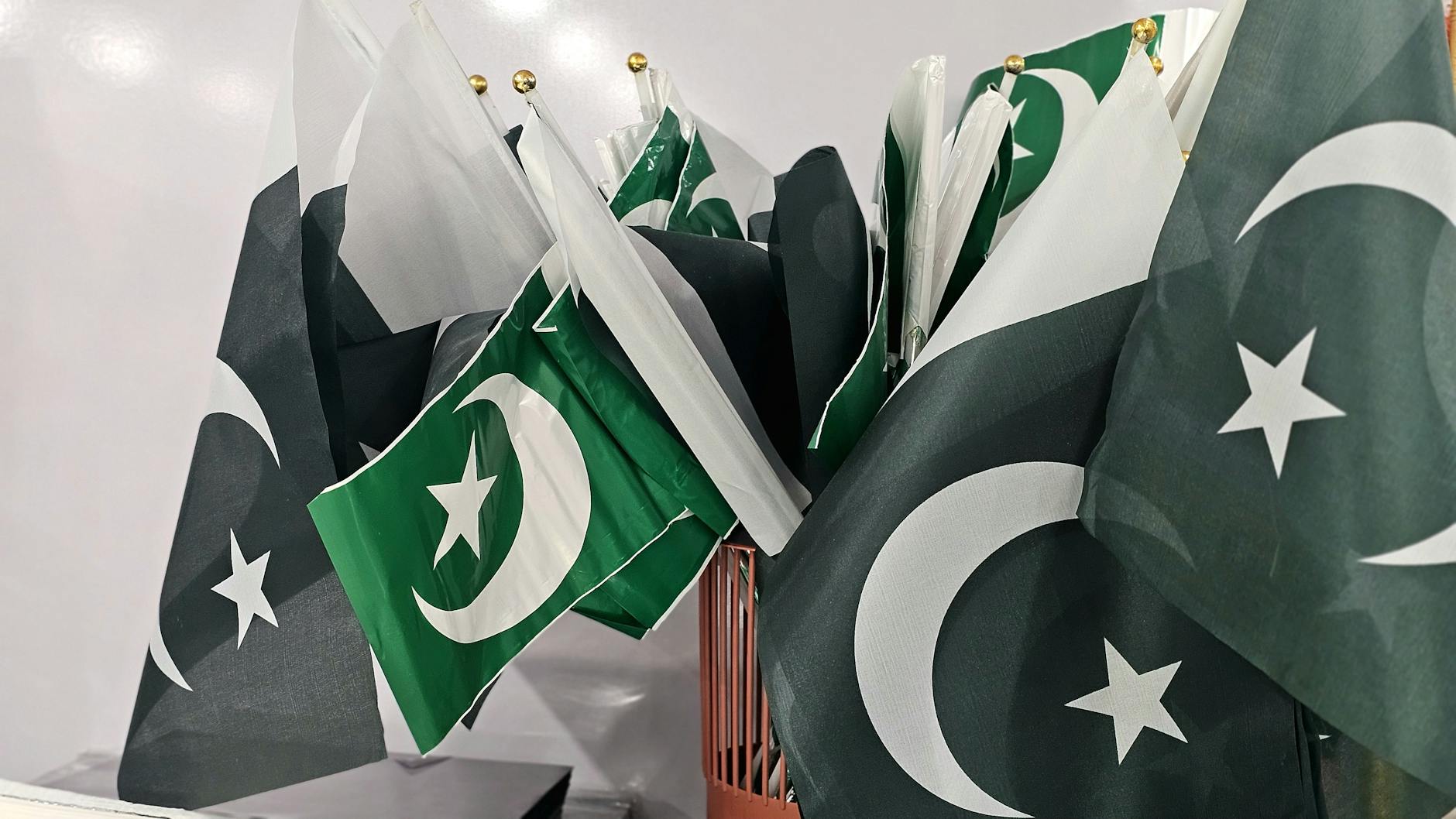
The Pakistani government confirmed on Sunday that it has received a formal response from Tehran regarding the latest United States peace proposal intended to end the 10-week war in the Persian Gulf. Prime Minister Shehbaz Sharif announced the receipt of the document to his military and political leadership, crediting Islamabad with playing a key role in bringing the two nations back to the negotiating table. While the contents of the Iranian document remain shielded by diplomatic security, the development follows a drone attack on a commercial vessel in Qatari waters earlier Sunday.
President Donald Trump escalated his rhetoric regarding Iran’s nuclear program in an interview with the programFull Measurethat aired Sunday. Trump asserted that the U.S. military is maintaining constant surveillance of Iran’s enriched uranium stockpile, which is believed to be buried under the rubble of nuclear facilities bombed by the U.S. in June 2025. “If anybody got near the place, we will know about it, and we’ll blow them up,” Trump said, claiming that Space Force assets are tracking the materials with extreme precision.
Despite previous claims that Iran had agreed to transfer the stockpile to the United States—an assertion the Iranian Foreign Ministry has repeatedly dismissed—Trump signaled patience regarding the recovery. He told Reuters on April 17 that the U.S. would work with Iran “at a nice leisurely pace” to excavate the materials with heavy machinery. Tehran has consistently maintained that it will not relinquish its right to a domestic enrichment program.
The standoff has placed significant strain on the U.S. domestic economy, with national fuel prices climbing to an average of $4.52 per gallon, up from under $3 when the conflict began. Energy Secretary Chris Wright signaled Sunday that the White House is “open” to suspending the federal gasoline tax of 18.3 cents per gallon. This shift comes as polling indicates President Trump is facing political blowback from the highest fuel prices seen in four years.
Diplomatic tensions are further complicated by Trump’s upcoming visit to China. While Trump has publicly maintained that President Xi Jinping holds him in high regard, geopolitical analysts suggest the visit will be marked by friction. Jonathan Czin, a former China director at the National Security Council, toldEl Financierothat the current environment precludes the lavish "State-plus" reception Trump received in 2017. Beijing’s deep economic ties to Tehran and ongoing trade disputes are expected to dominate the agenda, replacing the fanfare of previous summits.
Trump’s stance toward Tehran remains combative. On Truth Social, the president wrote that Iran had been “laughing at the US for 47 years” but that “they will be laughing no longer.” He further alleged that the regime was responsible for the deaths of 42,000 protestors during recent domestic crackdowns. Prime Minister Benjamin Netanyahu reportedly held a private discussion with Trump on Sunday night regarding the status of the regional conflict, according toThe Jerusalem Post.