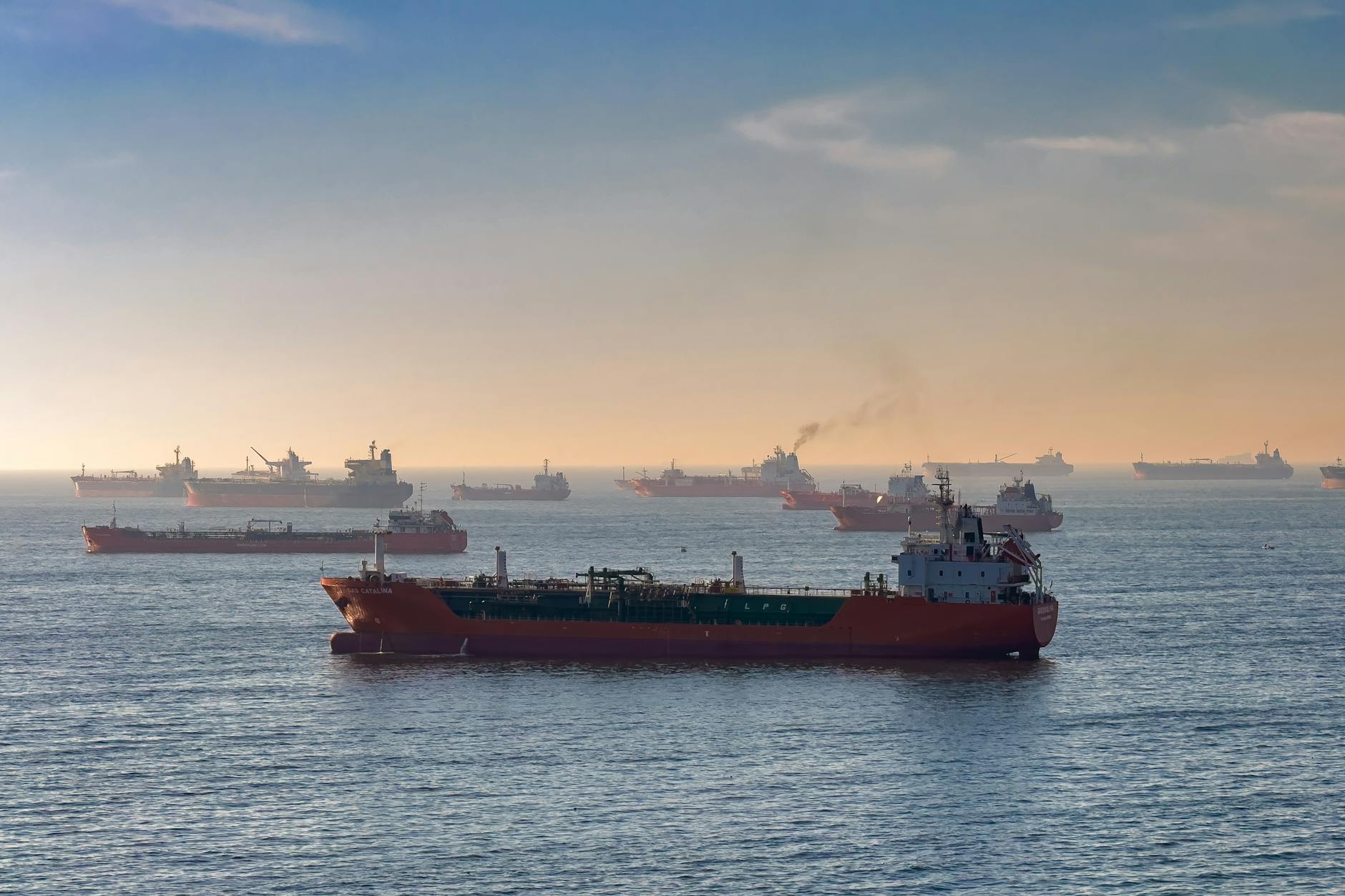
Global supply chains are showing signs of strain as the closure of the Strait of Hormuz enters its third month, according to a report by The Guardian. While markets have largely avoided a crash, analysts warn that the current calm may be a result of corporate complacency rather than actual resilience.
Since Iran restricted shipping flows in late February, international institutions have warned of a potential global recession, severe jet fuel shortages, and an energy shock comparable to the crises of the 1970s. Despite these dire forecasts, share indices in the U.S. and Europe have remained surprisingly resilient, buoyed by the ongoing boom in artificial intelligence and residual corporate stockpiles.
However, the buffer provided by existing inventory is rapidly depleting. Experts note that even if the waterway were to reopen immediately, the process of normalizing global logistics could take several months, leaving industries vulnerable to cascading shortages.
The reality of industrial disruption
Evidence of the disruption is becoming harder for corporations to ignore. Lucid Motors, which previously expressed confidence in its Saudi-based manufacturing operations, confirmed last week that the conflict has disrupted its supply of critical materials. The carmaker warned investors of the prospect of "substantial increases in the prices for our raw materials or components."
Other industry leaders maintain a more optimistic outlook. Walter Mertl, finance chief at BMW, told investors on Wednesday that the impact of the war remains "limited," adding, "We think it’s temporary and we will have a solution soon."
Despite such reassurances, some industry insiders argue that major manufacturers are gambling with their future stability. One senior automotive executive told The Guardian that companies are "playing with fire" by relying on the hope that the geopolitical situation will resolve itself quickly. "There’s a degree of complacency," the executive added. "How long it lasts is anyone’s guess."
While many firms improved their supply chain mapping following the disruptions of the Covid-19 pandemic, the current crisis poses a different set of challenges. The complexity of modern manufacturing means that many of the world’s largest companies remain unaware of their most critical areas of exposure. As emergency stockpiles of oil and vital commodities continue to shrink, the risk of a widespread industrial crunch grows daily.