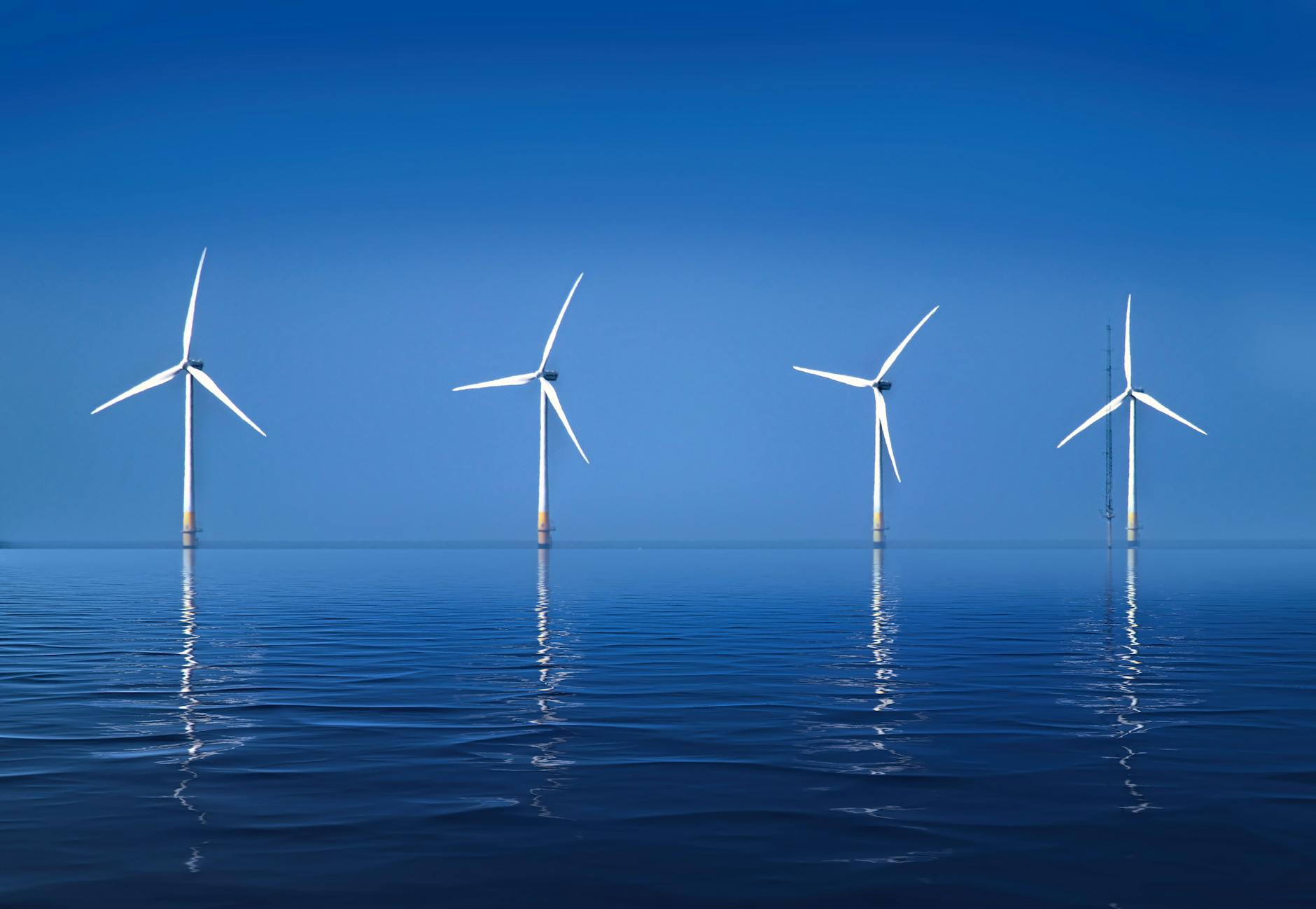
Residents of the Danish island of Bornholm are currently mounting an effort to construct one of the largest community-owned wind farms in the world. According to a report by The Ferret, the project seeks to establish a new standard for localized energy ownership, contrasting sharply with the corporate-dominated models often seen in Scotland.
Bornholm, a former Viking trading post with a population of 40,000, has a long history with renewable energy. During World War II, the island hosted one of the world’s first offshore wind turbines near the town of Nexø as the nation sought alternatives to coal and oil.
While Scotland faces ongoing disputes over how wind farm profits are distributed, the Danish model provides a different approach. The Ferret reported that despite a broad consensus on the necessity of wind power for climate targets, Scottish communities often struggle with fuel poverty while receiving only a fraction of the revenue generated by nearby turbine developments. In contrast, Denmark has spent decades refining a framework that prioritizes local community benefits.
Environmental planner and researcher Helle Munk Ravnborg noted that the island’s transition to modern renewables is rooted in a history of local cooperation. "Many of the small wind turbines on Bornholm’s land started out as cooperatively owned during the nineties," Ravnborg told The Ferret.
This community-focused strategy stands in opposition to the current Scottish trend, where The Ferret has previously documented millions in wind energy profits flowing to wealthy landowners and developers based outside of the country. By leveraging its history of cooperative infrastructure, Bornholm continues to push for a model where energy resources directly support the local population.
The initiative serves as a potential blueprint for Scotland, where the debate over energy equity remains contentious. As Bornholm scales its community-owned capacity, it highlights the stark difference between systems designed for local economic resilience and those primarily serving external corporate interests. The project remains a focal point for observers studying how decentralized energy production can mitigate fuel poverty and ensure that the economic windfall of the green transition stays within the community that hosts the infrastructure.