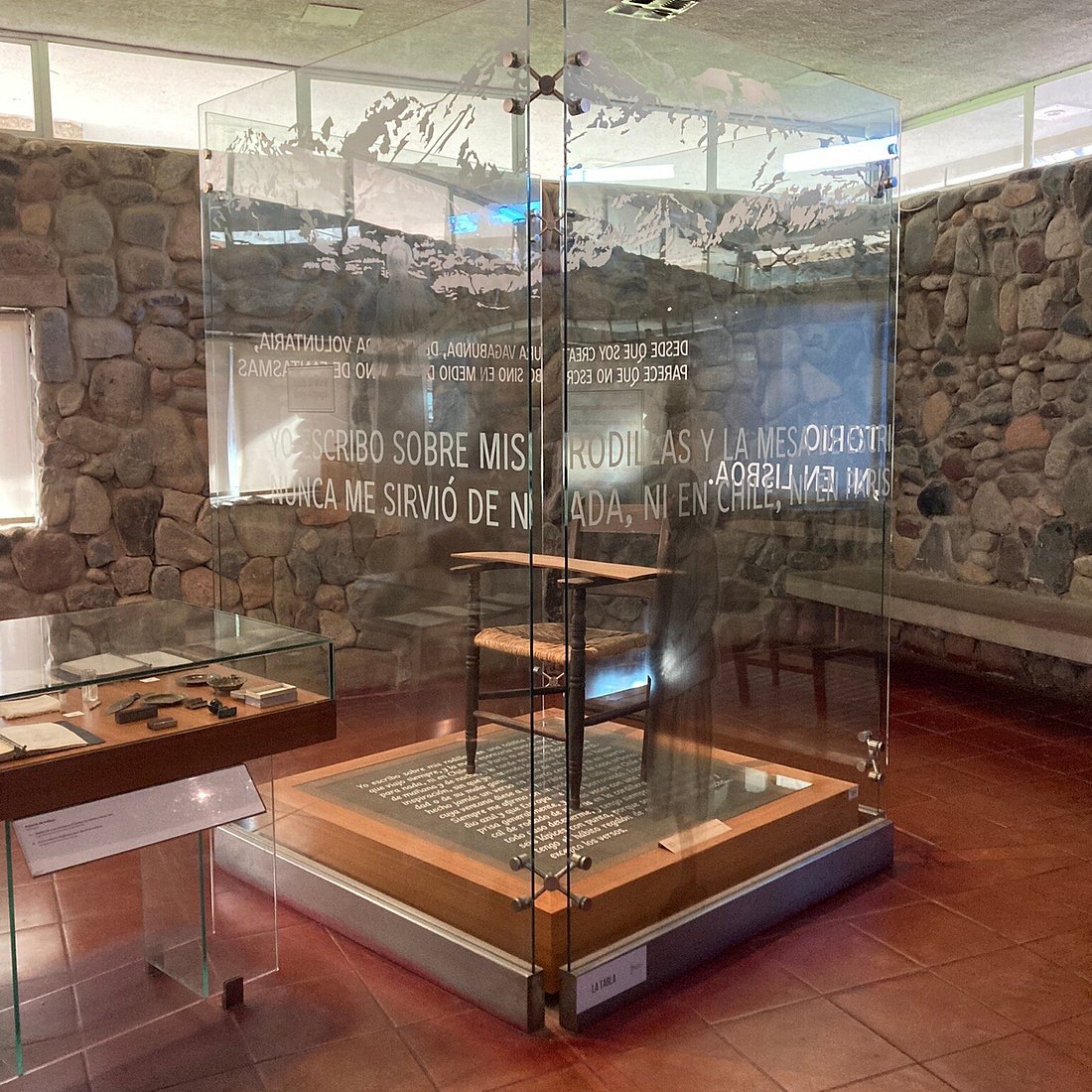
The Gabriela Mistral Museum of Vicuña and the Chilean Antarctic Institute (INACH) have inaugurated a unique exhibition at the Professor Julio Escudero Base, located on King George Island, marking a milestone for cultural outreach in Antarctica. The exhibit, which began its journey in Punta Arenas, is part of the museum’s off-site strategy to commemorate the 80th anniversary of the author receiving the Nobel Prize in Literature.
The delegation visiting the Antarctic base was led by Minister of Foreign Affairs Francisco Pérez Mackenna and INACH Director Gino Casassa. During the ceremony, Casassa highlighted the significance of the artistic display, noting, "Bringing an art exhibition featuring Mistral to Antarctica and Punta Arenas is of great importance, especially as we mark the 80th anniversary of her well-deserved Nobel Prize."
A Geographic and Literary Bond
The research for this exhibition stemmed from an analysis of the poet’s personal library, which is housed at the institution in Vicuña. Dusan Martinovic, director of the Gabriela Mistral Museum, explained that the team discovered key evidence regarding the writer’s perspective on the planet’s southernmost reaches.
"Gabriela Mistral wrote about Antarctica, and when we reviewed her personal library, we found several texts alluding to the White Continent," Martinovic stated. He added that the museum set out to map the author’s geographic connections, noting that she was deeply knowledgeable about cartography and the Chilean landscape.
The exhibition, developed in collaboration with visual artist Carolina Ibarra, is structured around three core themes: landscape, writing, and the Antarctic territory. The project seeks to bridge literature with geography and the author’s own imagery, all set against the backdrop of extreme conditions.
This partnership between the museum and INACH has also helped integrate culture into scientific work. As part of efforts to update the continent’s official toponymy, a sector has been officially designated as "Gabriela Mistral Bay." This measure aims to solidify the presence of national identity in the territory, reinforcing the idea that Antarctica serves as both a natural laboratory and a space for cultural exchange.