Engineers at Princeton University have developed a new class of soft-rigid hybrid robots capable of movement without the need for motors, gears, or external pneumatic controls.
The research team, led by professors Emily Davidson and Glaucio Paulino, combined 3D-printed liquid crystal elastomers with flexible electronics and origami-based folding techniques.
Published March 21 in the journal Advanced Functional Materials, the study details a reconfigurable robot that performs repeated motions without noticeable degradation.
As a demonstration, the team constructed a robot shaped like an origami crane. When powered with electricity, the crane flaps its wings using targeted heating within a specialized polymer.
Programmable motion through thermal control
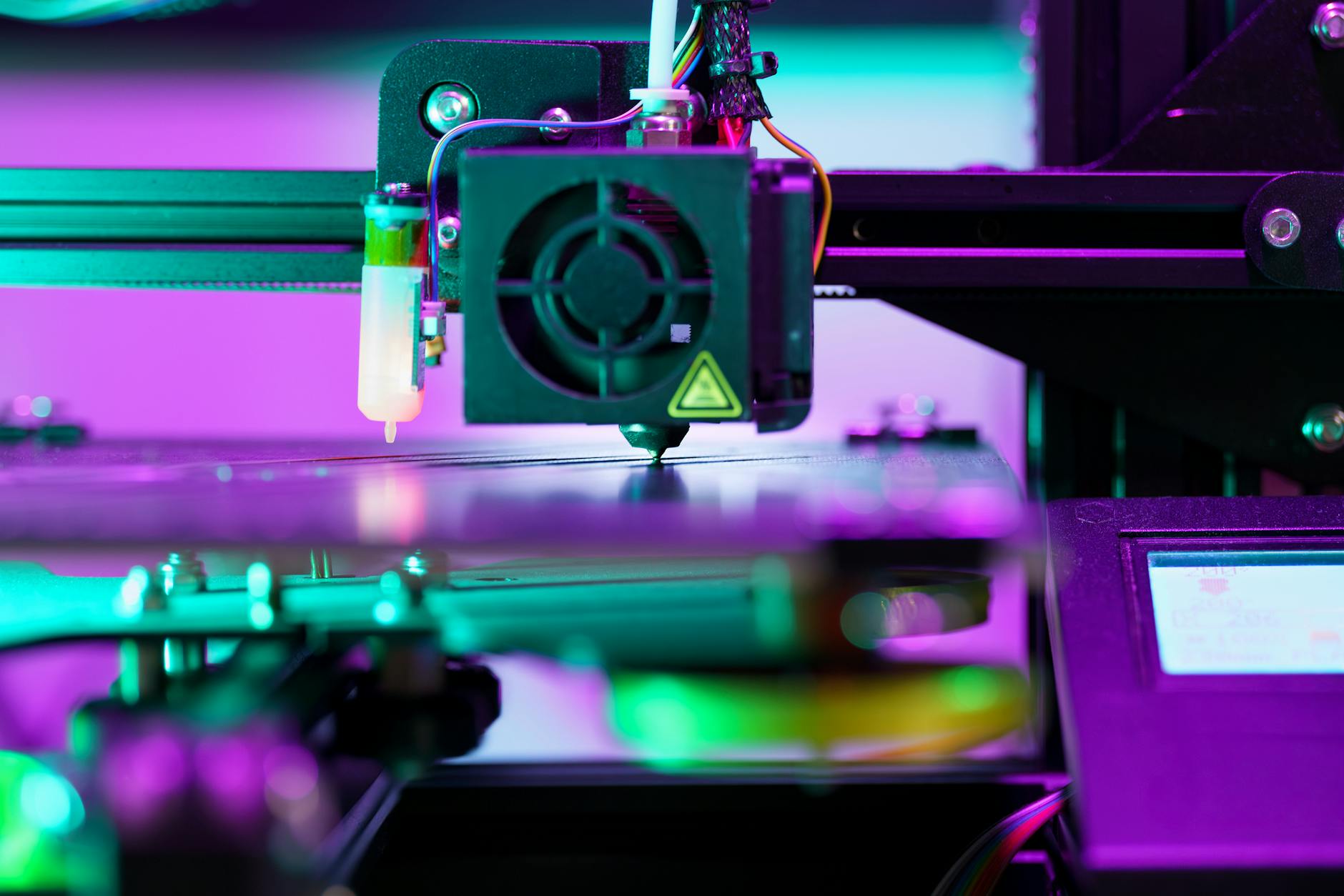
The system utilizes a 3D printer to deposit a molten polymer into patterned zones. This polymer, a liquid crystal elastomer, possesses an ordered internal molecular structure.
By programming the printer to vary the orientation of these molecules, the researchers created material hinges that bend in pre-set directions when heated.
To enable control, the team embedded flexible printed circuit boards directly into the material during the printing process. This integration allows the robot to heat specific areas of the polymer structure precisely.
"The ability to co-design the liquid crystal elastomer hinges and the flexible printed circuit boards to drive actuation made the fabrication and control of these soft-rigid robots feasible," Davidson said.
Embedded temperature sensors allow for closed-loop control, enabling the robot to perform real-time programmable sequences. Small errors that occur during repeated shape changes are corrected by the software using these sensors.
This technology could eventually lead to medical implants that can deliver drugs inside the body or robots designed to explore dangerous environments.
Paulino’s team has previously used origami principles to design segmented robots that navigate complex paths and systems that function as mechanical computers.