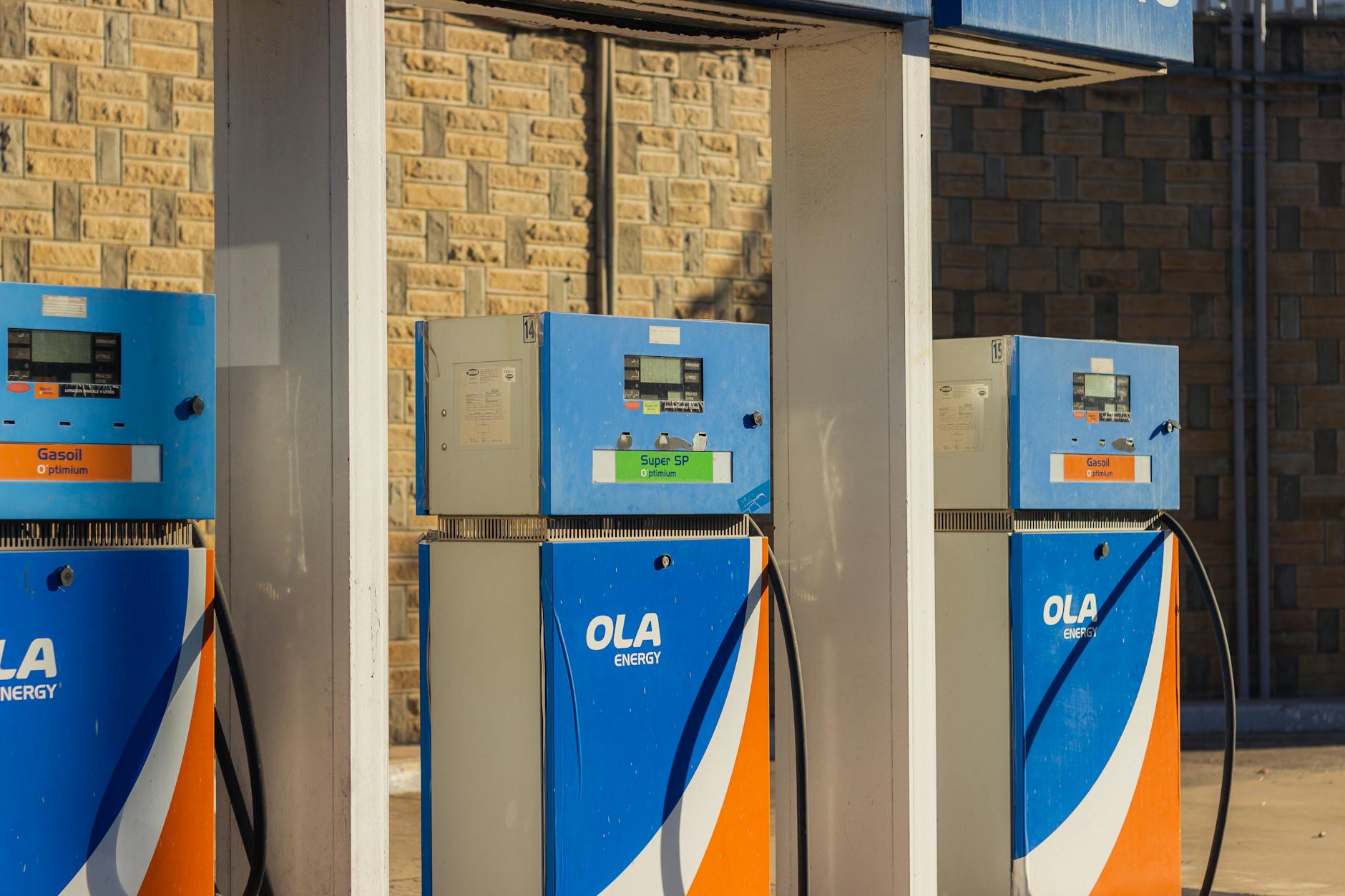
Kenya has implemented a sharp increase in petroleum costs, with diesel prices hitting a record margin despite a government tax reduction. The price hike follows rising global oil and shipping costs linked to the ongoing conflict involving Iran, according to reports from BBC News.
The Energy and Petroleum Regulatory Authority (Epra) announced that diesel prices rose by 40 Kenya shillings to 206 shillings per litre. Petrol prices increased by 28 shillings to a similar level, the regulator stated. These new rates are scheduled to remain in effect until May 14.
This price adjustment occurs even as the Kenyan government reduced the value-added tax on fuel from 16% to 13%. The tax cut is intended to cushion consumers but has not been enough to offset the global market volatility caused by the war that began on February 28.
Supply disputes and shortages
Reports of fuel shortages have surfaced in various parts of the country. While the government maintains that national stocks are sufficient, officials have accused certain fuel companies of hoarding supplies.
Public outrage has also centered on a controversial shipment imported last month. This consignment was allegedly purchased outside of government-to-government arrangements at a significantly higher cost and lacked proper quality oversight.
Some reports suggest this substandard fuel may have been blended with existing stocks in government storage tanks. The situation previously led to the arrest and resignation of senior energy officials and remains under active investigation.
On Wednesday, Epra clarified that the disputed consignment was not included in the calculation of the new pump prices.
Global shipping remains strained following the conflict in the Middle East. Although a conditional two-week ceasefire was signed last Wednesday to allow passage through the Strait of Hormuz, shipments through this vital route have largely remained at a standstill since the war began.
Kenya is not alone in its attempt to manage the crisis. According to BBC News, South Africa recently implemented a one-month fuel levy cut, while nations like Zambia, Namibia, and Ghana have also introduced measures to mitigate price shocks. Meanwhile, Ethiopia has moved to prioritize specific sectors to handle the ongoing energy crisis.