Mexico’s economy faces a growing paradox: record trade volumes are being undermined by a sustained collapse in domestic investment. While imports reached $664 billion and exports exceeded $664 billion in 2025, fixed capital investment dropped by 6.7% compared to the previous year. Private investment fell by 4.4%, while public investment plummeted by 18.9%.
Industry analysts identify this 16-month decline not as a temporary cycle, but as a structural warning sign. While the nearshoring trend continues to draw factories to Mexican soil, three critical bottlenecks are preventing the country from converting this influx into long-term growth.
Infrastructure gaps stall industry
Energy security remains the most significant barrier to expansion. Industrial parks in the Bajío region, Nuevo León, and the border zone currently operate under capacity restrictions. The Mexican Institute for Competitiveness (IMCO) warned last year that the country could face an electricity generation deficit exceeding 48,000 GWh by 2030 unless regulators provide the legal certainty required for private companies to invest in new generation projects.
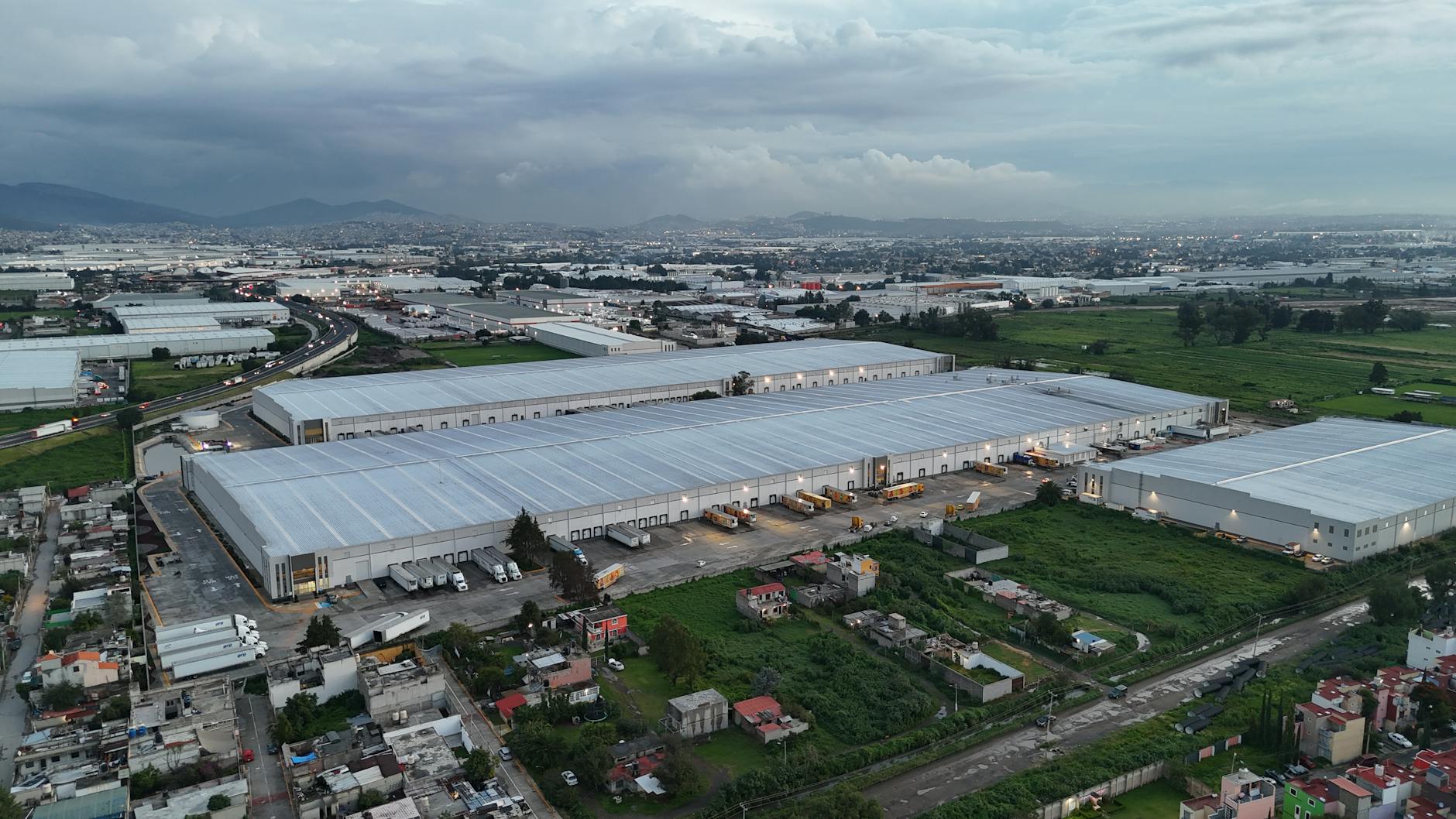
Logistics infrastructure also fails to match the pace of current manufacturing demands. While Mexico maintains a strategic geographic advantage, the cost and time required to transport goods from the interior to ports and border crossings remain high. For manufacturers operating with narrow margins, these inefficiencies often determine whether they secure or lose international contracts.
Finally, the lack of accessible financing prevents small and medium-sized exporters from scaling effectively. Although the government’s 'Plan México' aims to boost SME funding through development and commercial banks, many businesses continue to operate with limited working capital and restricted access to formal credit. Industry experts argue that without liquidity, these firms cannot fulfill orders despite having the necessary production capacity.
Unless the government addresses these bottlenecks through regulatory reform and targeted financial support, the manufacturing boom risks stalling. Mexico currently possesses the trade volume to lead, but the underlying infrastructure and financial systems lack the stability to support sustained industrial expansion.