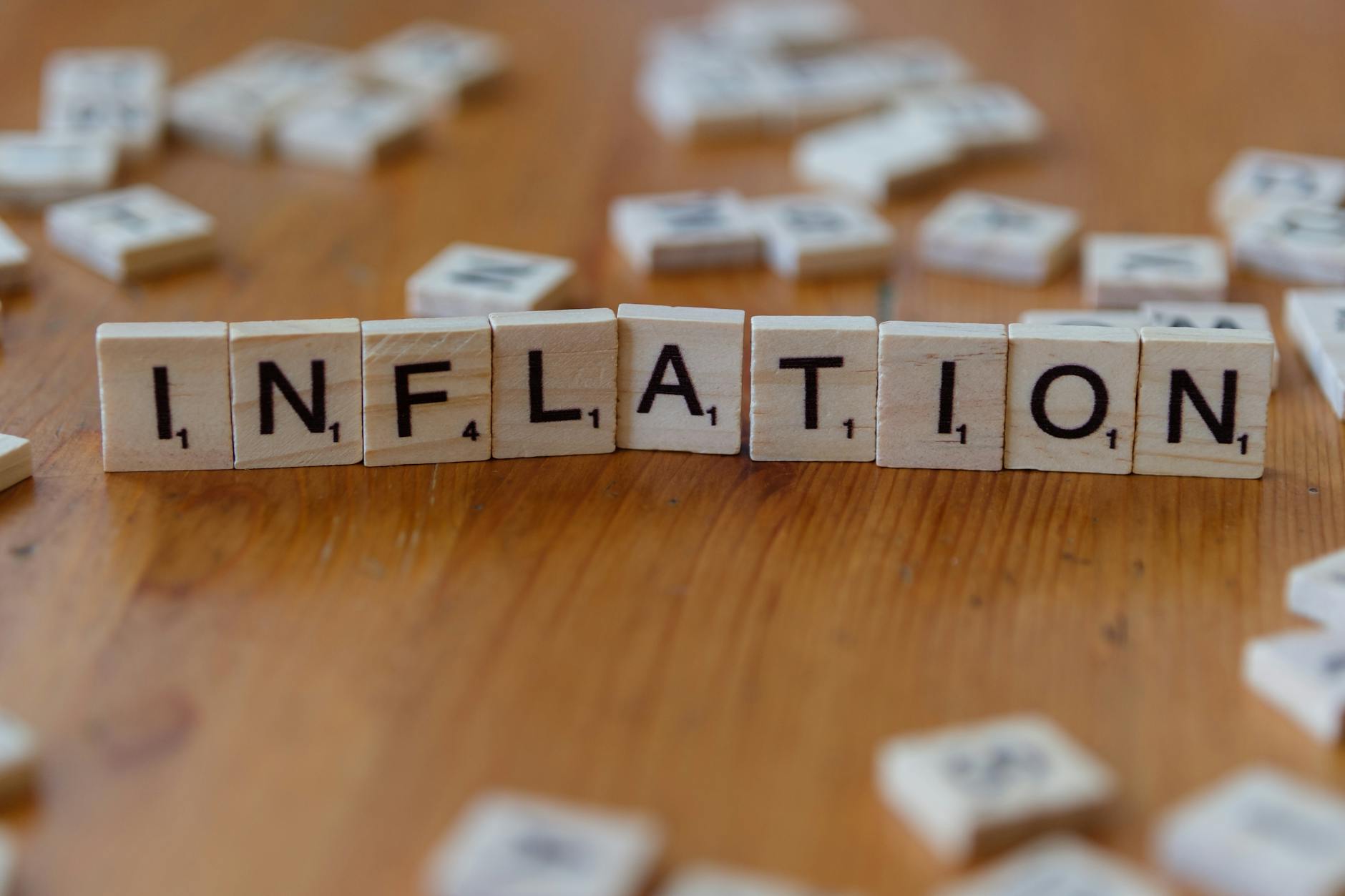
Economists and investors are sounding the alarm over the potential for a global stagflation cycle. The phenomenon, which combines sluggish economic growth with persistent price increases, threatens to disrupt international markets and household purchasing power.
Stagflation represents a worst-case scenario for central banks. Typically, monetary policy tools used to curb inflation—such as raising interest rates—tend to slow economic growth further. Conversely, stimulating an economy to combat stagnation often fuels more inflation.
Understanding the economic trap
Analysts point to several key indicators that signal this shift. Supply chain disruptions, rising energy costs, and shifts in labor market participation have created a difficult environment for policymakers.
"The primary challenge is that the levers we usually pull to fix one problem exacerbate the other," says Yasmeen ElTahan, who has tracked the trajectory of these fiscal trends. Without a clear path to balance both, the risk of a prolonged downturn grows.
Investors are already adjusting their portfolios to account for this volatility. Many are shifting assets toward hard commodities and away from traditional growth stocks. These traders fear that the era of low-interest-rate expansion has officially ended.
Recent data suggests that several major economies are struggling to maintain productivity levels while simultaneously managing high consumer prices. If these trends persist, the global financial system could face years of restricted growth and reduced capital investment.
Central banks now face the difficult task of threading a needle between cooling inflation and avoiding a full-scale recession. The focus remains on how these institutions manage interest rates in the coming months as they attempt to stabilize the global economic outlook.