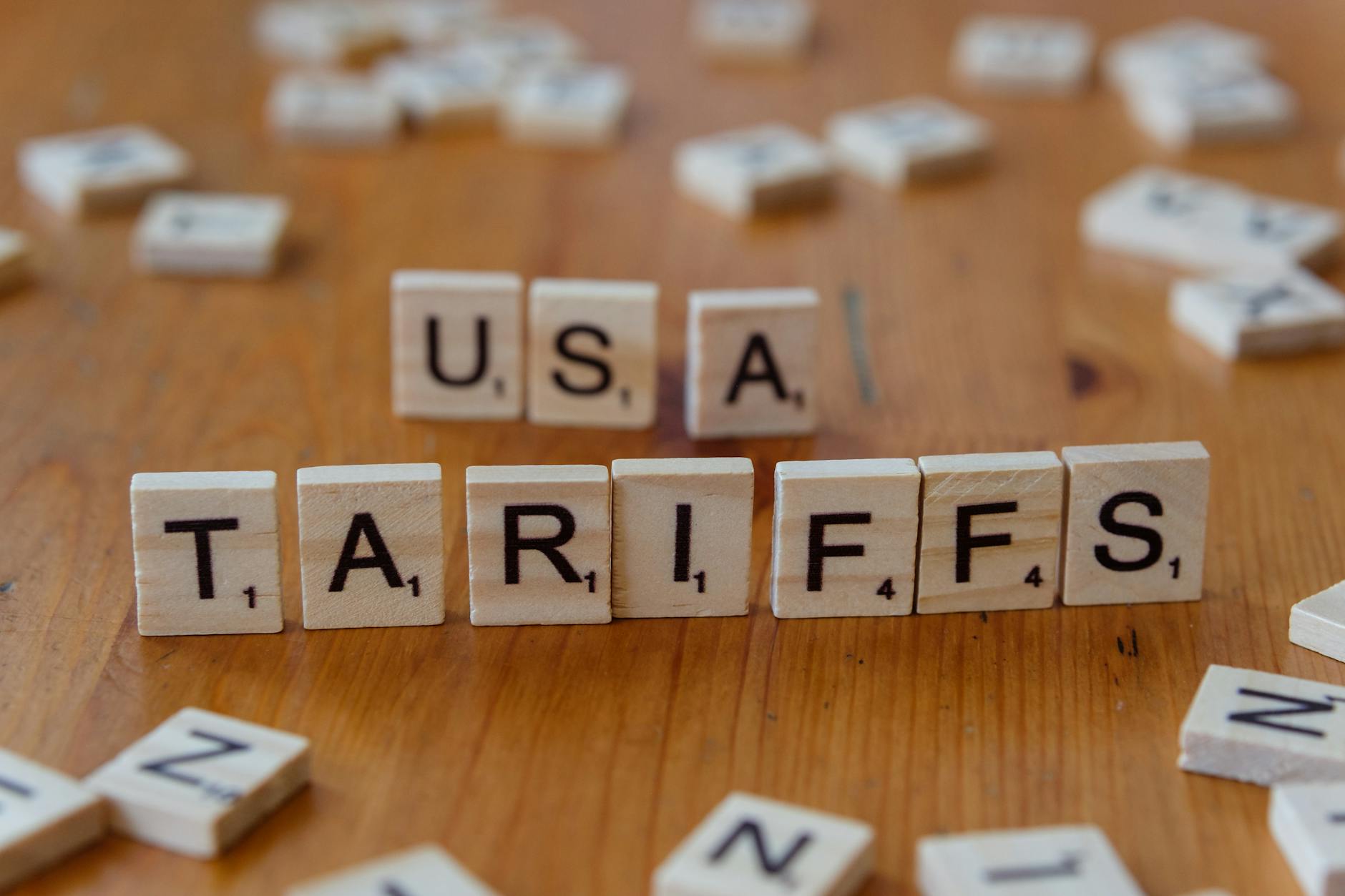
Federal Reserve economists have identified last year's trade tariffs as the sole driver behind recent price spikes in consumer and household goods.
A new study by a trio of economists at the Federal Reserve found that these tariffs raised core goods prices by 3.1 percent. The research indicates that retailers passed these costs directly down the supply chain to American consumers.
As of February 2026, the researchers concluded that the tariffs "can explain the entirety of the excess inflation in the core goods category since January 2025." The study noted that the impact on prices builds gradually, reaching a full dollar-for-dollar pass-through approximately seven months after implementation.
Impact on consumer prices
Without the price increases triggered by these trade barriers, inflation for household and consumer goods would have dropped below pre-pandemic trendlines. The study utilized the personal consumption expenditures (PCE) price index, which recently showed a 2.8 percent year-over-year increase.
These findings directly contradict claims made by President Donald Trump regarding the burden of trade levies. Following the announcement of sweeping trade barriers last April, the president argued that foreign countries and corporations "probably would eat those tariffs."
In a January op-ed for The Wall Street Journal, the president maintained that the "incidence" of the tariffs fell "overwhelmingly on foreign producers and middlemen." However, recent data suggests otherwise.
A separate paper published in February by economists from the Federal Reserve and Columbia University found that Americans are currently paying 94 percent of the tariff costs. Other research into previous wine tariffs suggests some consumers may have even paid more than the full cost due to increased markups along the supply chain.
The economic theory underlying the administration's policy relies on making imports more expensive to favor domestic products. If foreign producers were to absorb the costs, the protectionist mechanism would fail to function as intended.