President Donald Trump warned from the White House on Monday that Iran seeks to become a nuclear power 'to be able to exterminate the world' and insisted that 'that cannot happen.'
Speaking to the press, the US President emphasized that 'Iran is not going to have nuclear weapons' and threatened to seize enriched uranium, stating, 'We are going to recover it. Either they give it to us or we take it.'
Trump's remarks follow a failed high-level negotiation in Islamabad, Pakistan, where US Vice President JD Vance led a delegation to meet with Iranian officials. The talks, which lasted over 20 hours, ended without an agreement regarding Iran's nuclear program, the release of frozen funds, or free navigation in the Strait of Hormuz, according to BioBioChile.
While Trump noted that Iran reached out to the administration, saying, 'I can tell you that we have received a call from the other side. They were eager to reach an agreement,' he maintained that Iran cannot trade due to the ongoing naval blockade. Trump also characterized the recent Iranian blockade of the strait as 'stupid,' noting that 34 vessels successfully transited the area on Sunday.
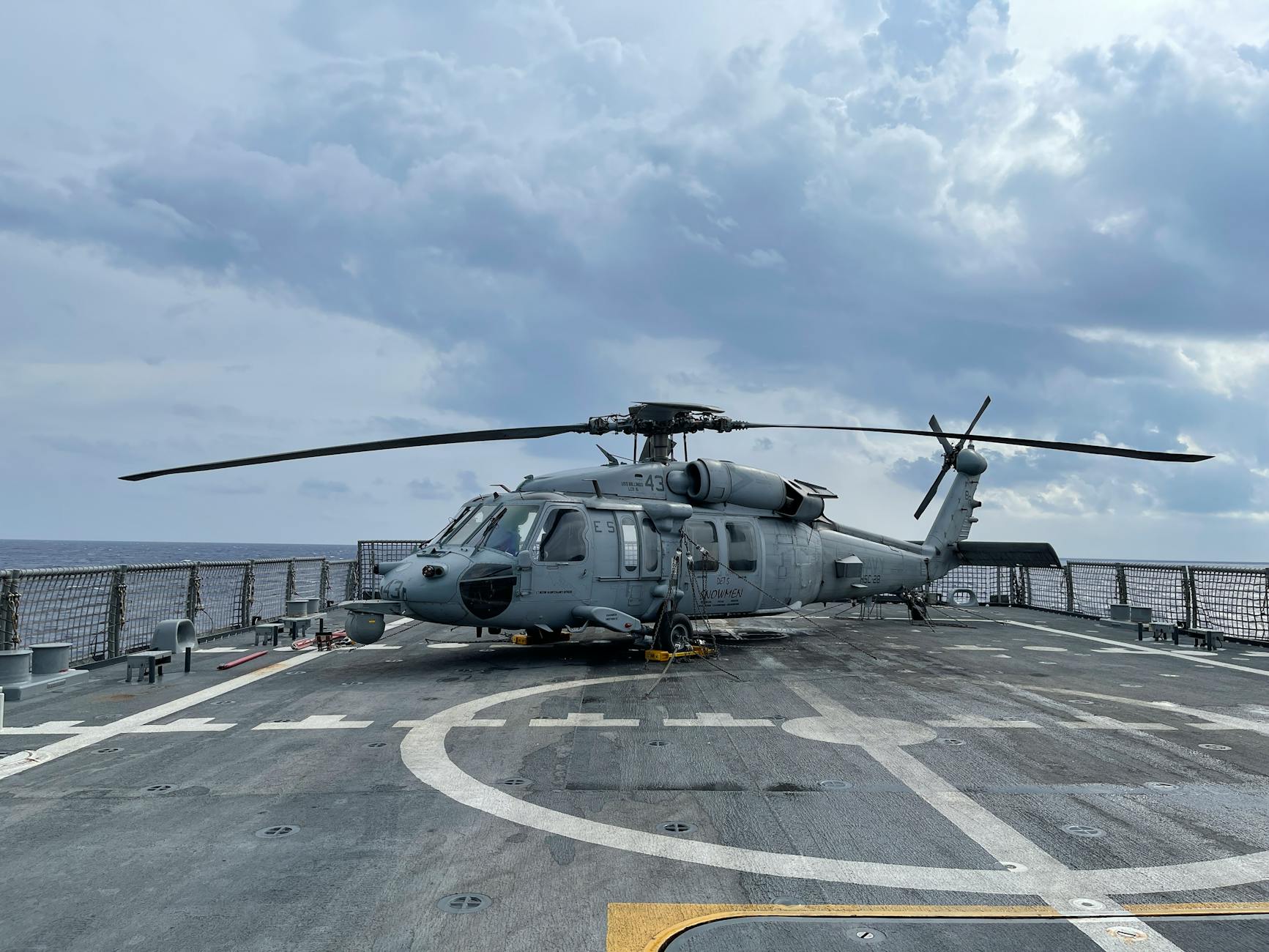
However, the US military later clarified that the blockade would specifically target vessels entering and exiting Iranian ports, a move that scales back Trump's initial threat to fully close the waterway, according to Al Jazeera.
Global economic and food security risks
The conflict, which began on February 28 following US and Israeli attacks that killed Supreme Leader Ayatollah Ali Khamenei, has severely disrupted global trade. Maritime intelligence provider Windward reported that only 21 vessels transited the strait on Sunday, a sharp drop from the roughly 130 daily transits seen before the conflict, according to Al Jazeera.
The Food and Agriculture Organization (FAO) warned of a potential global food 'catastrophe' if the disruption in the Strait of Hormuz persists. FAO chief economist Maximo Torero stated that while current food availability prevents an immediate crisis, the blockage of critical agricultural inputs is a growing threat.
'We are in an input crisis; we don’t want it to be a catastrophe,' said FAO director of agrifood economics division David Laborde. He noted that 20 to 45 percent of key agrifood inputs rely on this waterway.
Nearly half of the world's traded urea, a primary fertilizer, is exported from Gulf countries through the strait. The disruption has already forced some fertilizer plants to cut or cease production due to gas supply issues, according to the FAO.
Global markets reacted to the news of potential Iranian cooperation. Al Jazeera reported that Asia's main stock markets surged on Tuesday, with Japan's Nikkei 225 rising 2.5 percent and South Korea's KOSPI gaining 3.7 percent. Conversely, Brent crude oil prices fell nearly 1.5 percent to below $98 a barrel following Trump's comments regarding Iranian interest in a deal.
In a separate political development, the US administration faced a setback in Europe as Viktor Orbán lost his position in Hungary. France24 reported that the far-right leader was voted out following a record turnout on Sunday. Prime minister-in-waiting Peter Magyar claimed the election represented 'a complete change in regime.'