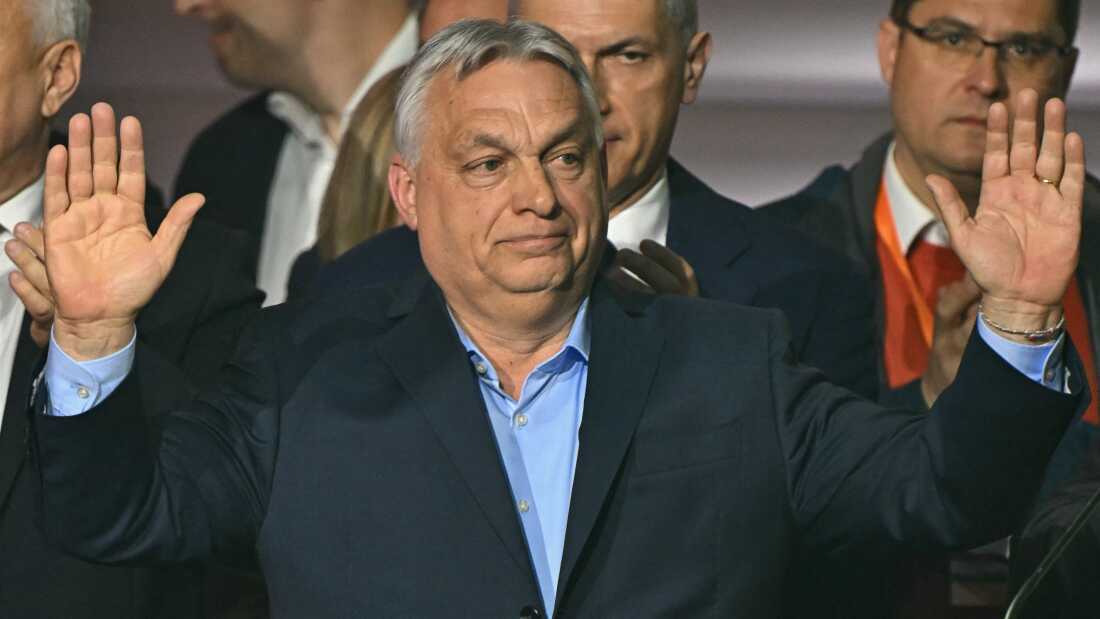
Hungarian voters ousted Prime Minister Viktor Orban on Sunday, ending his 16-year tenure in a decisive election result. The victory for a pro-European challenger marks a sharp rejection of Orban's long-standing policies and his alignment with global far-right movements.
Orban, a key ally of both US President Donald Trump and Russian President Vladimir Putin, conceded defeat following the announcement of the results. He described the election outcome as "painful."
A shift in European alignment
The election result signals a significant shift in the political landscape of Central Europe. Voters opted for a platform that moves away from the nationalist and authoritarian style that defined the Orban era.
Observers note that the defeat carries heavy implications for the geopolitical ties between Budapest, Moscow, and Washington. The new leadership's pro-European stance suggests a potential realignment of Hungary's position within the European Union.
While the specific platform of the winning challenger remains to be fully implemented, the electoral shift suggests a move toward deeper integration with European institutions. This transition follows years of friction between Orban's government and EU leadership over democratic standards and rule of law.