Pakistani Prime Minister Shehbaz Sharif is traveling to Riyadh and Ankara this week to push for a second round of peace talks between the United States and Iran, according to reports from Islamabad. The diplomatic push follows a series of inconclusive meetings between U.S. Vice President JD Vance and Iranian parliament Speaker Mohammad Bagher Ghalibaf, which concluded Sunday without a breakthrough. President Donald Trump told the New York Post on Tuesday that negotiations could resume in Pakistan within two days, praising Pakistan’s army chief Asim Munir for his role in the process. United Nations Secretary-General Antonio Guterres confirmed the probability of resumed talks, though he cautioned that the complexity of the conflict makes a swift resolution unlikely.
While a fragile two-week ceasefire has halted active airstrikes against Iran, violence persists elsewhere in the region. Gaza health officials reported that an Israeli airstrike on a police vehicle in Gaza City killed at least four people, including a three-year-old child, on April 14. Simultaneously, the United States has maintained a naval blockade of Iranian ports in response to Iran’s closure of the Strait of Hormuz, a critical maritime chokepoint accounting for 20 percent of global oil and liquefied natural gas supplies.
The International Monetary Fund (IMF) slashed its 2026 global economic growth forecast to 3.1 percent on Tuesday, down from an earlier estimate of 3.3 percent. Chief Economist Pierre-Olivier Gourinchas stated that the war is hitting commodity-importing, low-income countries and emerging markets the hardest. The IMF specifically cut Iran’s growth forecast by 7.2 points, predicting a 6.1 percent contraction. Regional growth forecasts for the Middle East and Central Asia were also slashed by 2 percentage points to 1.9 percent.
Economic fallout and the humanitarian crisis
Wholesale inflation in the United States hit a three-year high of 4 percent in March, driven largely by a 15.7 percent surge in gasoline prices, according to Bureau of Labor Statistics data. While economists had feared the energy shock would drive annual inflation to 4.6 percent, the effects were partially blunted by falling food prices. “The quickening can be attributed to energy inflation, or the oil shock associated with the war in Iran; but wholesale inflation was on a bit of a tear before the conflict in Iran began, rising month over month since November,” NerdWallet senior economist Elizabeth Renter wrote in commentary issued Tuesday.
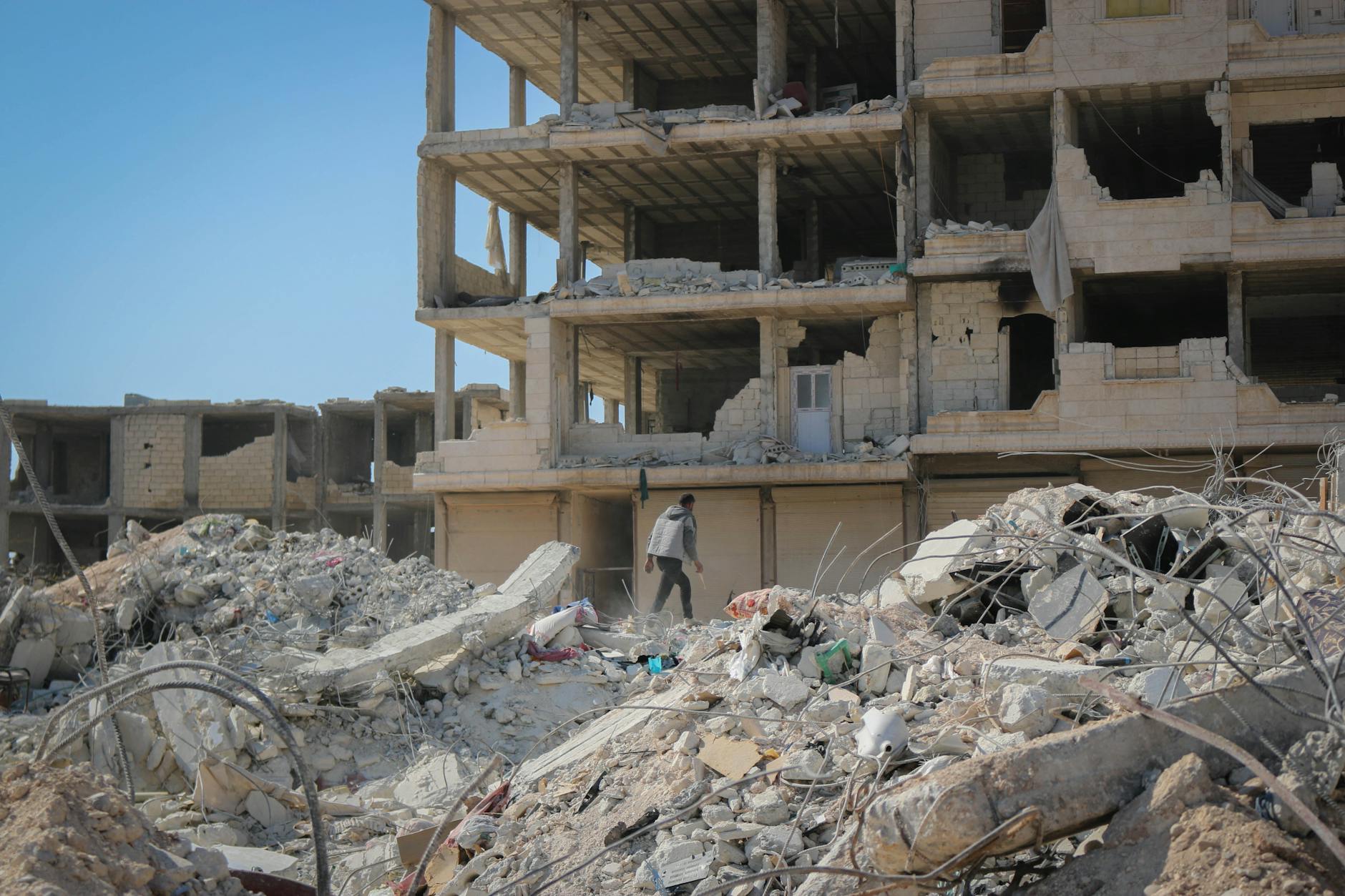
Humanitarian conditions inside Iran remain dire, with nearly 3,000 people killed and 3.2 million displaced since the conflict began six weeks ago. The International Federation of Red Cross and Red Crescent Societies (IFRC) confirmed the arrival of medical supplies via Turkiye on Sunday, marking one of the first successful aid deliveries since the blockade began. IFRC spokesman Tommaso Della Longa stated, “The operation is critical as humanitarian supply chains into Iran have been severely disrupted in recent weeks due to the conflict, making it increasingly difficult and more costly for essential medical and relief items to reach those in need.”
Additional relief efforts include 14 trucks dispatched from Jordan by the International Committee of the Red Cross, carrying household supplies for 25,000 people. Despite these efforts, the IFRC confirmed that the Iranian Red Crescent Society has lost four relief workers in the line of duty. Meanwhile, at the United Nations, U.S. representative Jennifer Locetta urged member states to strictly enforce resolutions cutting off funding to Houthi forces in Yemen. Locetta accused the group of acting as “benefactors of Teherán” and warned that their repeated missile and drone attacks against Israel jeopardize the Yemeni population.