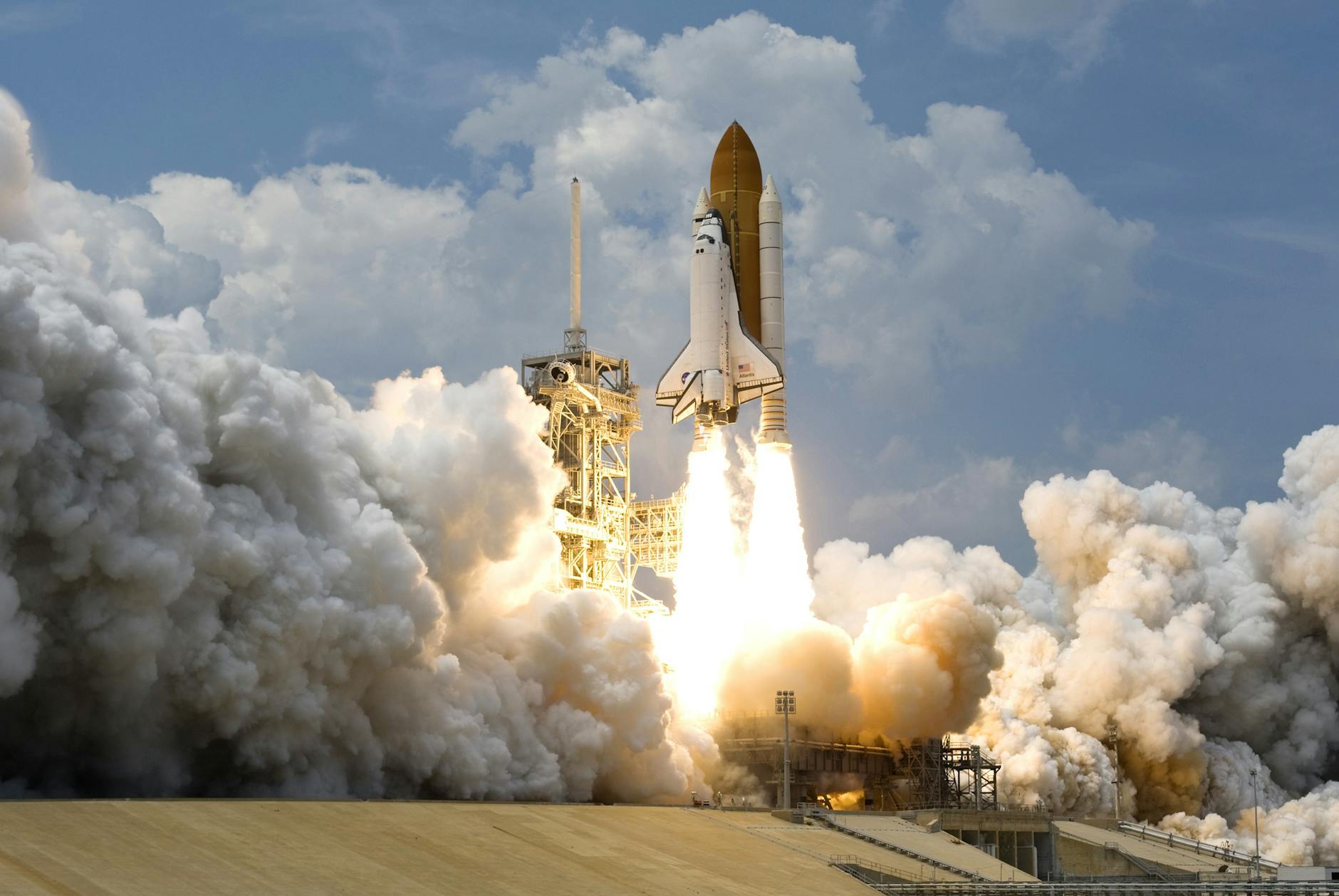
NASA's Artemis II mission lifted off from Kennedy Space Center in Florida on Wednesday evening, sending four astronauts on a historic journey to orbit the Moon. The Space Launch System (SLS), the most powerful rocket ever built by NASA, generated 8.8 million pounds of thrust as it ascended into the sky, signaling a major milestone in the agency's plan to reestablish a human presence on the lunar surface. This uncrewed landing test mission paves the way for Artemis III, which aims to land astronauts near the Moon's south pole as early as 2026.
Key Details
The launch followed a tense countdown marked by concerns over the spacecraft’s launch abort system, which briefly halted the timeline at T-minus 10 minutes. Engineers resolved the issue, and each system check proceeded with the now-iconic cadence: "booster, go", "GNC, go", "range, go". At 8:04 p.m. ET, launch director Charlie Blackwell-Thompson, the first woman to hold the role, confirmed, "Artemis II, you are go for launch." Commander Reid Wiseman responded, > "We go for all humanity," echoing the mission’s global aspirations. The rocket cleared the pad safely through maximum aerodynamic pressure at 1 minute and 10 seconds, a critical phase where structural integrity is most tested.
The SLS rocket, standing at 322 feet tall, carried astronauts Reid Wiseman, Victor Glover, Christina Hammock Koch, and Canadian Space Agency astronaut Jeremy Hansen. This diverse crew includes the first woman, person of color, and non-American on a lunar mission, symbolizing a new era of inclusivity in space exploration. Their 10-day mission will not land on the Moon but will travel approximately 230,000 miles beyond Earth, performing a full lunar flyby before returning. The flight tests life support, navigation, and communication systems under deep space conditions.
"The dream is still there and it will come back in time," said Neil Armstrong in a 1990s interview, reflecting on the lull in human lunar exploration after Apollo 17. Today’s launch marks the fulfillment of that return. The Kennedy Space Center, originally built for the Apollo program, has now reignited its core mission. The success follows years of delays and technical challenges, including multiple scrubbed launch attempts in the weeks prior due to fuel leaks and weather concerns.
What This Means
Artemis II represents more than a technical achievement—it signals a geopolitical and economic shift in space exploration. The U.S. aims to lead a new generation of lunar missions in collaboration with international partners through the Artemis Accords, now signed by over 30 countries. Unlike the Cold War-era space race, this effort emphasizes sustainable presence, scientific research, and future commercial opportunities on the Moon. Private companies such as SpaceX and Lockheed Martin are integral to the program, with contracts exceeding $10 billion in combined development and launch services.
The successful launch strengthens NASA’s credibility amid growing competition from China, which plans its own crewed lunar landing by 2030. It also revitalizes public interest in space, potentially boosting STEM investment and federal funding. The mission’s data will inform not only future Moon landings but also long-term plans for Mars exploration. With Artemis II safely en route, attention now turns to re-entry procedures and splashdown in the Pacific Ocean, scheduled for December 11.