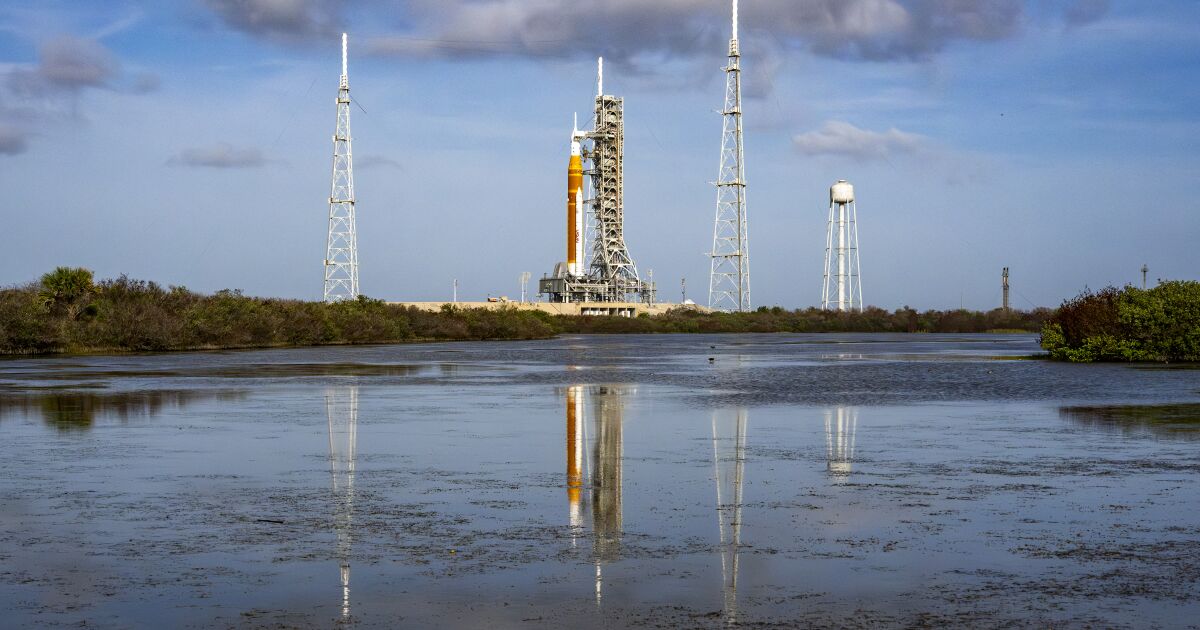
More than five decades after the Apollo missions, humanity is poised to return to the lunar environment under the NASA Artemis program. This initiative seeks to establish a permanent human presence beyond Earth rather than conducting temporary demonstrations typical of the Cold War era. The estimated cost for the project has now surpassed $93 billion as agencies prioritize infrastructure and resource development for long-term sustainability.
Key Details
The upcoming Artemis II mission will serve as the first crewed flight test for the new lunar program. Four astronauts will travel for approximately 10 days around the Moon to validate the Orion spacecraft capabilities in deep space. Crew members include Reid Wiseman, Victor Glover, Christina Koch, and Canadian Jeremy Hansen.
During the mission, the vehicle will execute critical tests on life support systems and manual piloting skills required for future operations. The spacecraft will reach distances of 370,000 kilometers from Earth before returning automatically to the atmosphere. These maneuvers are essential for future docking operations with lunar stations and proving safety protocols.
"The program represents a strategic shift in exploration goals," according to the report from expansion.mx. Officials emphasize that the focus has moved beyond symbolic landings to sustainable infrastructure and resource utilization. This approach aims to utilize local resources to reduce costs for future deep space missions significantly.
Strategic Implications
Scientific interest centers on the lunar south pole, a region previously unexplored by astronauts during previous decades. This area contains the South Pole–Aitken Basin, the largest known impact crater in the solar system. Researchers believe the site could reveal data regarding the Moon's formation 4.5 billion years ago.
The return occurs within a distinct geopolitical context involving competition with the China National Space Administration. While the 1967 Outer Space Treaty prohibits ownership claims, nations are racing for resource-rich zones near the poles. This dynamic creates a new space race focused on strategic positioning rather than ideological dominance.
The program impacts the terrestrial economy through a vast supply chain involving over 3,800 suppliers across the nation. These partnerships drive technological innovation and create jobs across dozens of U.S. states in various sectors. Officials hope the project will inspire a new generation of scientists and explorers similar to the Apollo era.
The Lunar Gateway station will function as a logistical hub for operations in orbit and future expeditions to Mars. Launching missions from the Moon requires significantly less energy compared to Earth due to lower gravity conditions. This infrastructure supports long-term survival technologies needed for deep space travel and planetary exploration.
This lunar return represents the beginning of a new exploration stage where the satellite serves as a departure point. The focus has shifted from symbolic achievements to sustainable infrastructure and long-term viability for human presence. Future developments will depend on successful resource extraction and international cooperation to maintain stability.