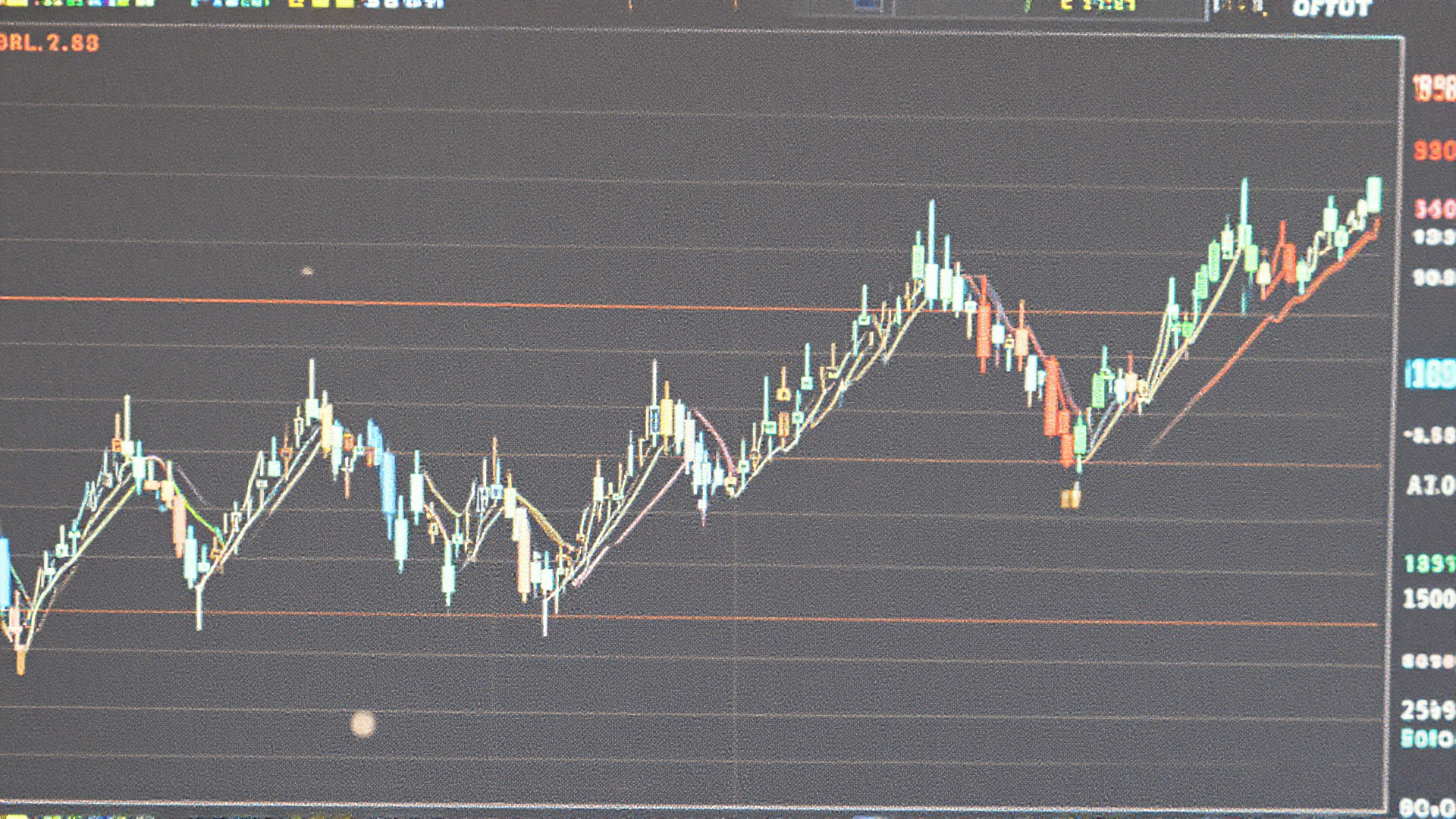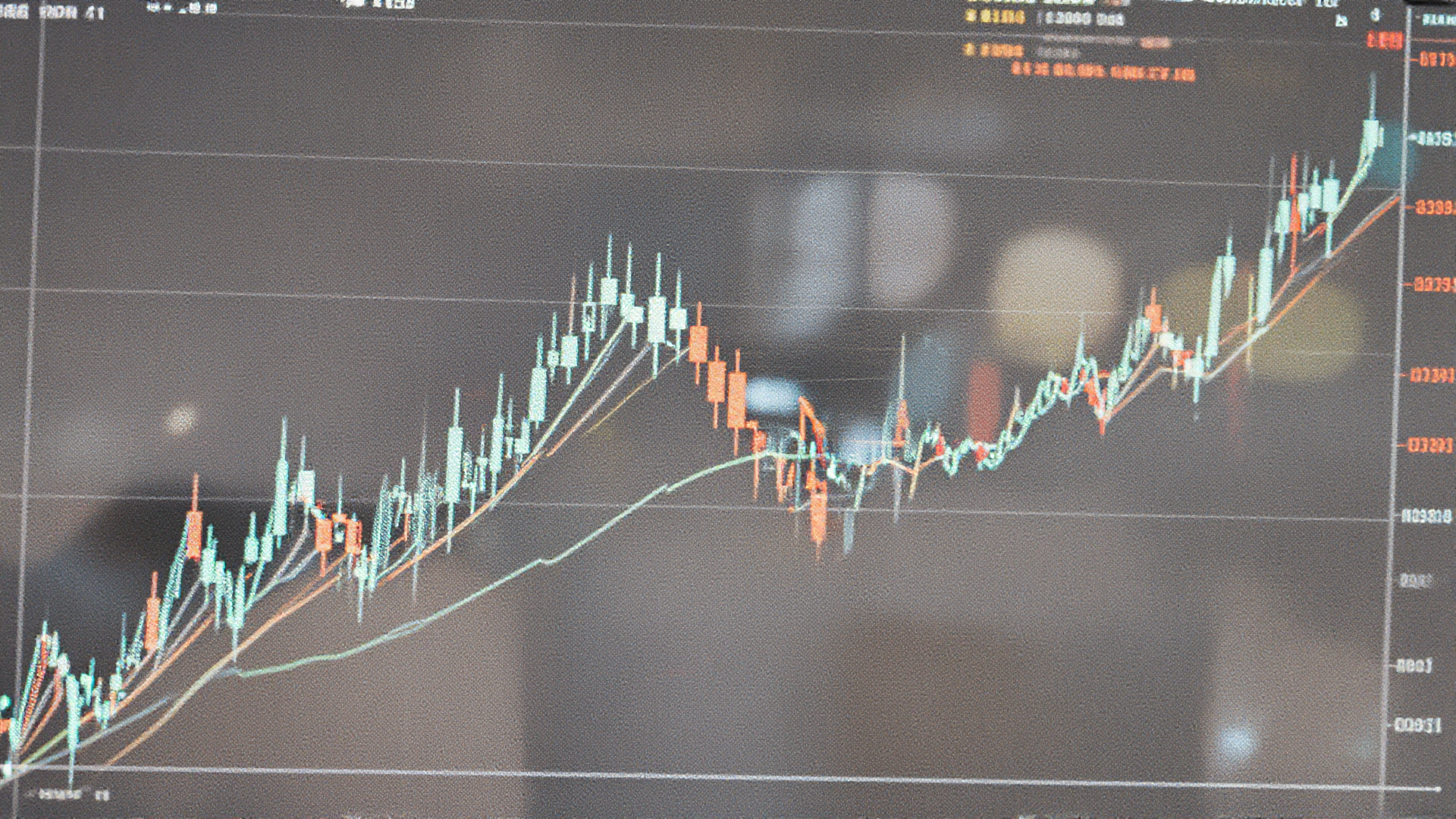
Gold has entered its longest losing streak in over a century as Bitcoin surges in relative value against the yellow metal. Bloomberg analysts report the precious metal has fallen for 10 consecutive days, marking its worst performance since February 1920. This divergence occurs while geopolitical tensions in the Middle East remain elevated, challenging traditional safe-haven narratives. The market shift signals a potential reallocation of capital from legacy reserves to digital assets.
The yellow metal has dropped as much as 27% from its January all-time high during this period. Analysts note gold touched a low of $4,090 before finding support near its 200-day moving average. Despite a recent two percent rebound over the past day, the asset remains down roughly 12% since late February. Technical indicators suggest the selling pressure may have exhausted itself at current levels.
Meanwhile, Bitcoin maintains pricing above $70,000 during this specific period of extreme volatility. This stability drives the Bitcoin-to-gold ratio up approximately 30% from recent lows observed before the conflict. One Bitcoin now trades for roughly 16 ounces of gold compared to 12 ounces prior to the escalation. This metric highlights the growing purchasing power of digital currency relative to physical commodities.
Charlie Morris, chief investment officer at ByteTree, highlighted the historical significance of this market shift. He recalled the milestone when Bitcoin first surpassed one ounce of gold in March 2017. Morris observed that the digital asset consistently built higher lows through subsequent market cycles. He noted the progression from 2.7 ounces in 2019 to 12.4 ounces in February of this year.
Morris projected that one Bitcoin could reach a value of 40 ounces of gold in the coming months. He argued that the yellow metal appears exhausted following its recent sharp decline in price. This outlook contrasts with traditional views that gold always leads all market rallies in uncertain times. Investors are now questioning the reliability of gold as a primary store of value.
Data from Bloomberg ETF analyst Eric Balchunas supports a significant shift in institutional investor preference. Gold exchange-traded funds recorded billions of dollars in outflows over the past week alone. In contrast, Bitcoin exchange-traded funds attracted around $2.5 billion in inflows this month. These flows indicate a clear preference for digital assets over traditional bullion holdings.
Balchunas noted that Bitcoin and gold are largely uncorrelated rather than inversely related assets. Year-to-date net outflows for Bitcoin funds remain near $140 million despite a 20% price decline. These figures indicate sustained institutional interest despite short-term price fluctuations in the market. Capital continues to flow into the sector even during periods of consolidation.
Historically, Bitcoin tends to lag gold during the initial phase of broader market cycles. Gold typically leads with an initial rally before consolidating price action for a period. Bitcoin then catches up and often outperforms during the subsequent expansion phase. This pattern suggests the current cycle may still be in its early stages of maturity.
Market participants will watch whether this trend continues as geopolitical events evolve globally. A sustained shift could redefine the relationship between traditional and digital assets significantly. Investors are monitoring flow data for confirmation of this structural change in portfolio allocation. Future reports will determine if Bitcoin cements its status alongside established commodities.