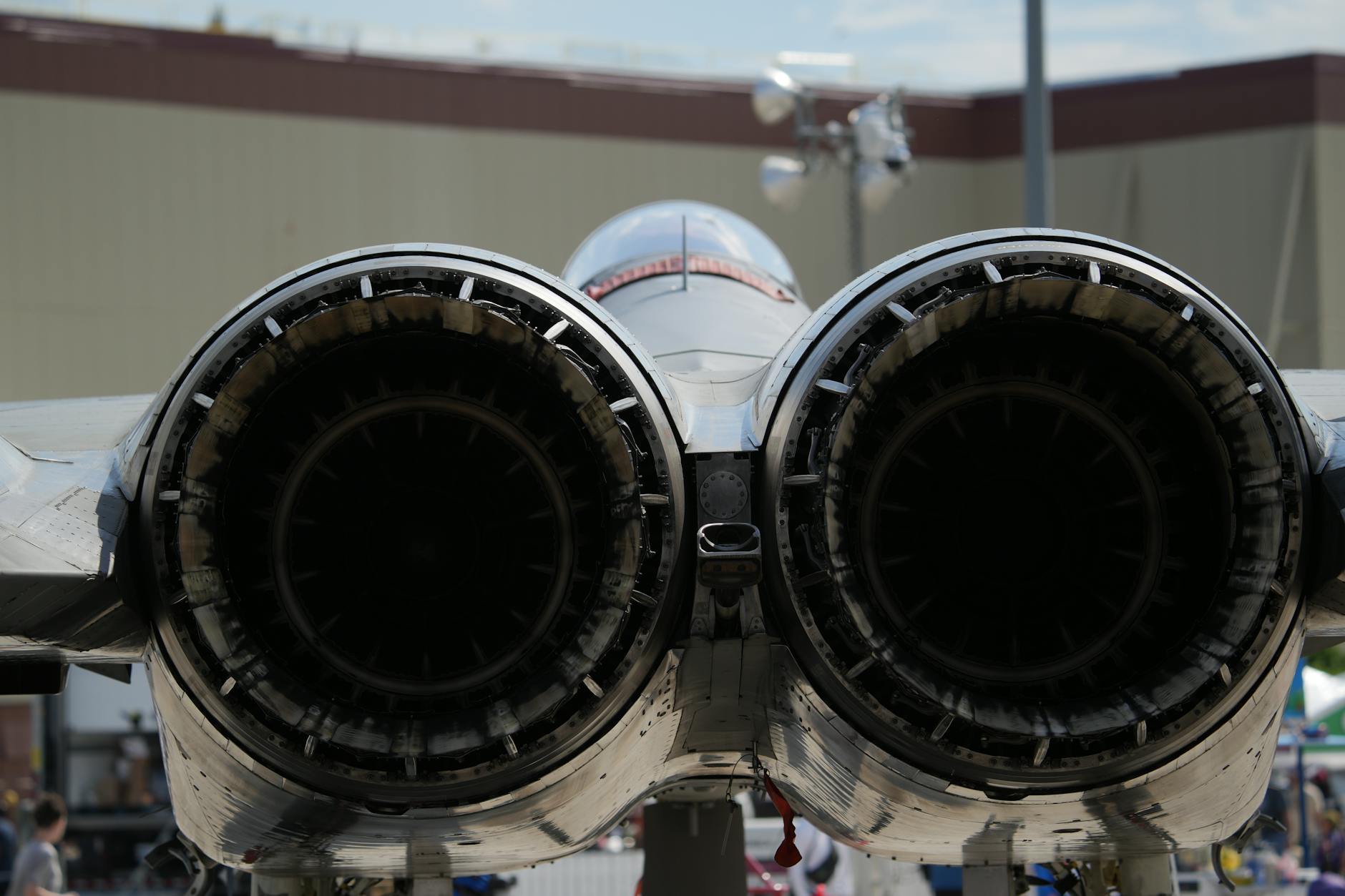
Chinese researchers have successfully tested a propulsion system capable of reaching Mach 16, a breakthrough that could reduce flight times between New York and London to just 22 minutes. The development marks a departure from traditional aviation engineering, which has long struggled to bridge the gap between low-speed takeoff and hypersonic flight.
Conventional turbofan engines typically fail at speeds above Mach 3. Meanwhile, existing scramjets require a secondary booster to reach operational speeds. The new Chinese engine solves this by functioning from a dead stop on a runway all the way to the edge of space.
The mechanics of hypersonic flight
The engine utilizes Rotating Detonation Engine (RDE) technology. Unlike traditional internal combustion, which burns fuel slowly, the RDE relies on a series of continuous, self-perpetuating supersonic explosions within an annular chamber. This process generates significantly higher thrust while consuming 30% less fuel than conventional designs.
To manage the extreme conditions at Mach 16, where air behaves more like a viscous, superheated fluid than a gas, engineers integrated a liquid-neural AI architecture. This system adjusts the engine's internal geometry in milliseconds, predicting turbulence before it occurs. The engine effectively monitors and adapts to shifting air densities as the craft climbs to altitudes of 45,000 meters.
Thermal management is handled by a newly developed ceramic-graphene alloy. Capable of withstanding temperatures exceeding 3,000°C, the material is also self-regenerating. It uses the extreme thermal energy generated during flight to seal micro-fractures in the engine structure, ensuring the hardware remains reusable.
The performance metrics provided by the research team indicate a massive leap over current global capabilities. While an American SR-72 prototype is estimated to reach Mach 6, the Chinese system operates at more than double that speed. This advancement effectively moves hypersonic flight from the realm of theoretical military projects into a new phase of functional, high-speed logistics.
Analysts suggest this technology shifts the global strategic balance. While potential civil applications could revolutionize international travel, the military implications are immediate. The engine’s ability to sustain Mach 16 speeds renders most current interception and defense systems obsolete, forcing a fundamental redesign of aerospace defense strategies across the West.