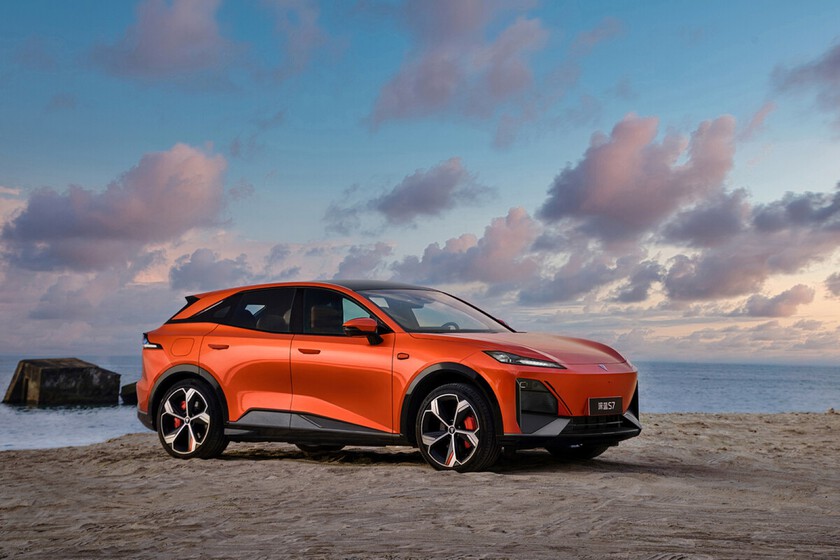
Changan, one of China's largest automakers, officially announced plans to integrate solid-state batteries into its production vehicles starting this year. The company claims the new technology will enable electric cars to travel more than 1,500 kilometers on a single charge under specific cycle testing standards. Industry analysts note that solving range anxiety remains the primary hurdle for widespread electric vehicle adoption globally. Reports indicate this move targets major competitors who currently struggle with similar performance metrics. The announcement was reported by Xataka Mexico, highlighting the aggressive timeline.
The battery system, dubbed Golden Bell, reportedly achieves an energy density of 400 watt-hours per kilogram according to internal documentation released by Xataka Mexico. Changan states this specification allows for more energy storage within significantly reduced space and weight constraints compared to existing units. Such efficiency is critical for maintaining daily usability while extending travel distances significantly without increasing vehicle mass. The company positions this innovation as a key differentiator in a flooded market.
Safety improvements are also central to the Golden Bell design, with the firm claiming a 70% reduction in risk compared to conventional lithium-ion units. The system includes remote diagnostic capabilities supported by artificial intelligence to detect faults before they escalate into critical failures. This focus on safety addresses consumer concerns regarding battery fires and thermal runaway incidents that have plagued the industry recently.
Despite the immediate announcement, the industrial roadmap suggests a phased rollout rather than instant availability for all consumer models. First installations in robots and electric vehicles are scheduled for the third quarter of 2026 according to the production schedule. Full mass production capabilities are not expected to reach 150 gigawatt-hours until 2027. This timeline reflects the complexity of scaling solid-state manufacturing processes.
For Mexico, the development holds significant economic implications given Changan's growing manufacturing footprint in the region. The automaker already produces vehicles under the Deepal brand and holds rights to assemble certain models locally for export. Increased investment in battery technology could strengthen North American supply chains against potential trade restrictions from the United States. Local economic stakeholders view this as a potential boost for industrial employment and technology transfer agreements between Beijing and Mexico City, enhancing strategic partnerships.
Competitors are moving quickly to match the performance metrics set by Changan in the current technological race. Dongfeng Motor is currently testing solid-state batteries with 350 watt-hours per kilogram and aims for commercialization before the end of 2026. Global giants like Volkswagen and Toyota are also pursuing similar technological breakthroughs to maintain market share in the premium segment.
Changan is not relying solely on solid-state chemistry for its future portfolio of energy solutions. The company partners with CATL to develop sodium-ion batteries offering operation at temperatures down to minus 50 degrees Celsius. Initial models utilizing this technology include the Nevo Q05 and Nevo A06 vehicles which target different market segments. This diversification strategy mitigates the risk associated with any single technology path.
If the Golden Bell technology meets its performance targets, the electric vehicle industry may resolve its longest-standing debt much earlier than anticipated. Range limitations have historically delayed consumer acceptance in markets like the United States and Latin America during the transition period. Successful implementation could shift the balance of power in the automotive sector towards Chinese manufacturers with advanced supply chains. This shift could accelerate the phase out of internal combustion engines in major markets.
Investors will watch closely for progress reports on the 2026 installation phase and 2027 production targets. Regulatory bodies in North America may scrutinize these supply chains for compliance with new environmental standards and labor laws. The outcome of this technological race will define the next decade of mobility and energy consumption patterns and supply chain resilience.