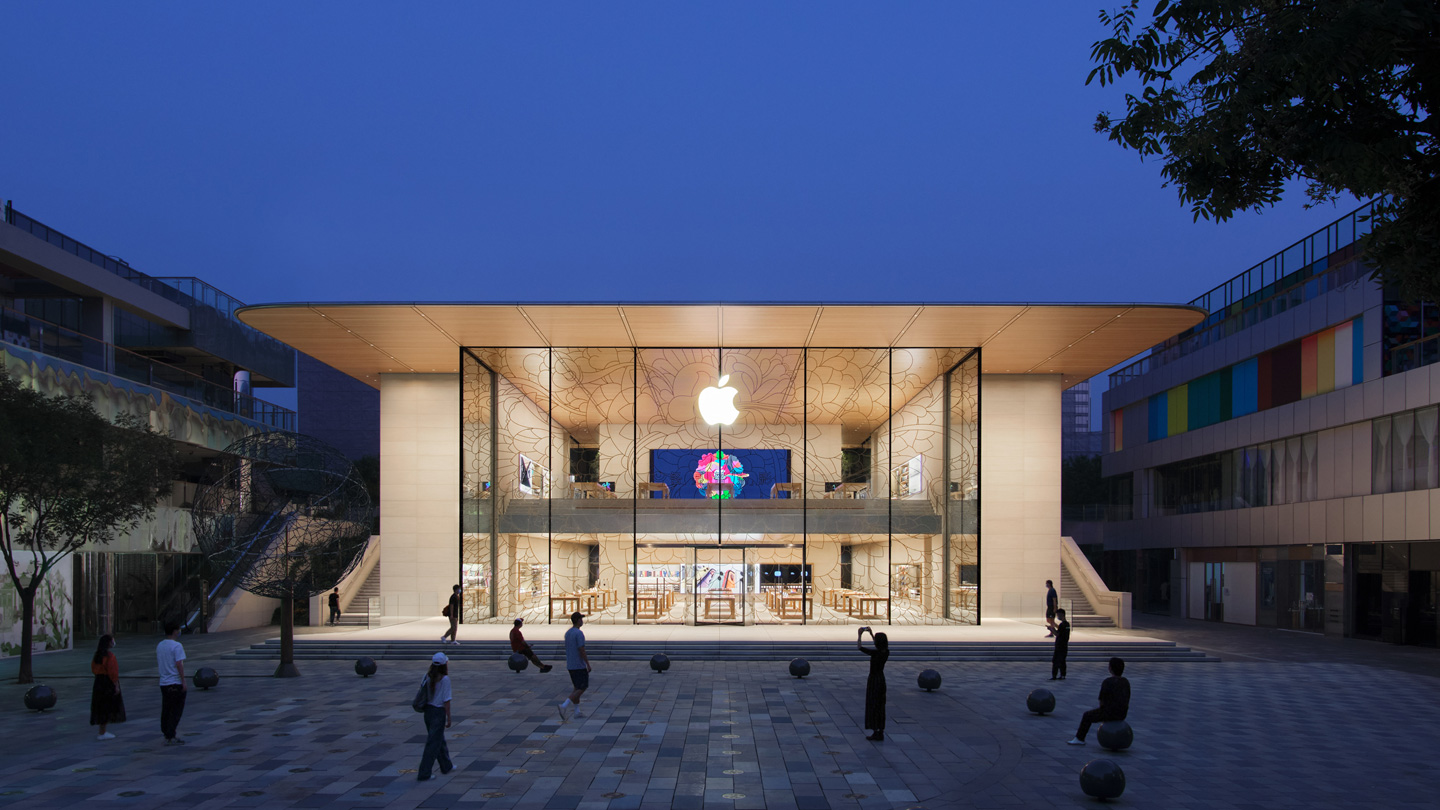
Apple recently marked its 50th anniversary, celebrating five decades since its humble start in a San Francisco garage. Today, the tech giant holds a position where nearly one in three people on the planet owns one of its products.
Emma Wall, lead investment strategist at Hargreaves Lansdown, attributes this success to a unique blend of hardware and marketing. "They sold a dream," Wall said. "They added something that was quite novel back then: the idea that the brand was as important as the product line."
A legacy of hits and misses
The company’s trajectory changed permanently with the 2001 launch of the iPod. While not the first digital music player, Craig Pickerill of The Apple Geek notes it revolutionized the market. "The iPod changed everything almost overnight," Pickerill said. It provided the financial and operational stability the company later needed to enter the smartphone space.
The iPhone followed in 2007, becoming the company’s most significant product. Analyst Ben Wood describes it as the "Hotel California of smartphones," noting that once a user enters the Apple ecosystem, they rarely leave. While other phones existed with touchscreens and internet capability, journalist Kara Swisher credits Apple’s marketing for the device's massive success. "It made you see it not as a tech device, but as a symbol of romance," Swisher stated.
The Apple Watch, launched under CEO Tim Cook in 2015, cemented the company's move into health and fitness. Generating roughly $15 billion in annual revenue, it currently outsells the entire traditional Swiss watch industry.
However, the company’s history is also marked by notable failures. The 1983 Apple Lisa stands out as an early misstep. Despite pioneering the graphical user interface and the mouse, the computer’s $10,000 price tag made it a commercial dud. Paolo Pescatore, a tech analyst, noted that the Lisa proved "being at the forefront is not enough if the product is poorly positioned."
More recently, the "butterfly" keyboard mechanism introduced in 2015 for MacBook laptops became a significant reliability failure. The design, intended to allow for thinner hardware, resulted in widespread consumer frustration and ultimately forced the company to abandon the technology.
As Apple moves past its 50th year, industry observers note a shift in strategy. While purists often long for the era of co-founder Steve Jobs, Ken Segall—who worked as a creative director under Jobs for 12 years—believes Tim Cook has performed an "extraordinary job" adapting to new demands while keeping the company consistently profitable.