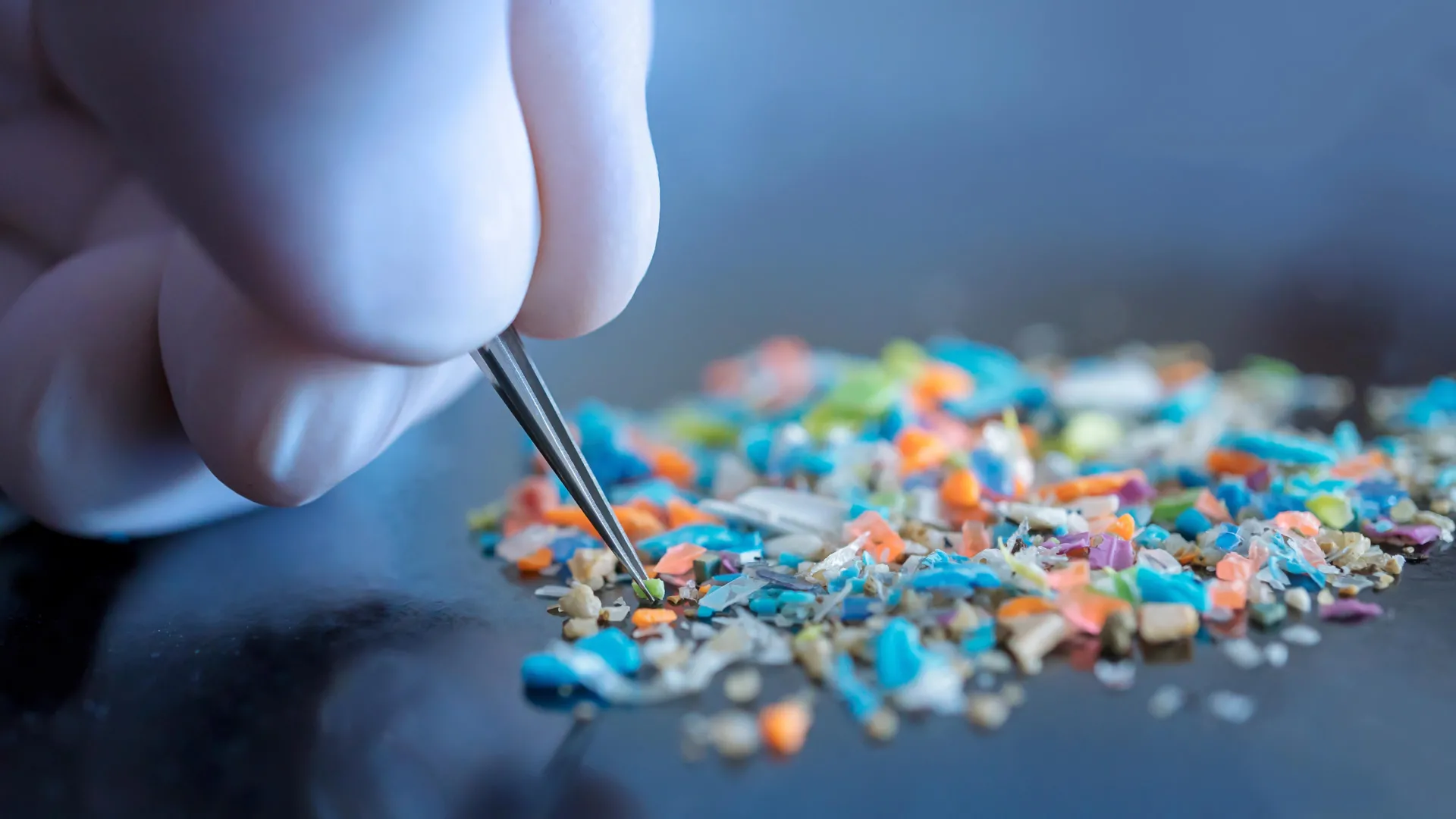
Researchers at the University of Michigan have identified a significant source of contamination in microplastics analysis that could affect global data. The study indicates that nitrile and latex gloves used in laboratories may be skewing data regarding environmental pollution levels. This discovery was published in the journal RSC Analytical Methods and challenges previous estimates of plastic pollution levels worldwide.
Identifying the Contaminant
The contamination stems from stearates, soap-like substances added to gloves during manufacturing to help them separate easily. These particles chemically resemble plastics during spectroscopy testing, leading to false positive results in many standard analyses. While stearates are not plastics, current analytical methods struggle to distinguish them from actual microplastic fragments in environmental samples.
Unexpected Findings in Air Sampling
The issue came to light during a collaborative project examining airborne microplastics in the state of Michigan. Dr. Madeline Clough and Professor Anne McNeil led the investigation into unexpectedly high particle counts on air sampling surfaces. Initial traces pointed toward standard lab equipment before researchers identified the gloves as the primary culprit for the unexpected numbers.
"We may be overestimating microplastics, but there should be none," McNeil stated regarding the findings.
Clough noted that the search for plastic particles often resembles finding a needle in a haystack where the needle might not exist. The team emphasized that this does not invalidate the microplastics crisis, but suggests data quality requires significant improvement. Their work was supported by the U-M College of Literature, Science, and the Arts' Meet the Moment Research Initiative.
Testing Methods and Results
To verify the findings, the team tested seven different types of gloves against standard identification methods used in the field. They found that routine contact with filters and slides transferred approximately 2,000 false signals per square millimeter during the experiment. This high rate of contamination occurred even during standard handling procedures designed to minimize exposure to external particles.
Cleanroom gloves performed significantly better, releasing far fewer particles during the tests compared to standard alternatives. These specialized gloves lack stearate coatings and are designed for highly controlled laboratory environments where purity is essential. Researchers recommend switching to this equipment to improve the accuracy of future environmental sampling and analysis.
Future Implications for Research
The study also explored visual methods to distinguish stearates from real plastics using advanced microscopy techniques. Despite similarities, the team developed statistical techniques to separate true microplastics from glove-related contamination effectively. This allows scientists to potentially revisit earlier datasets to correct historical pollution estimates and ensure data reliability.
Microplastic research faces unique challenges due to the ubiquity of plastic in modern environments and laboratory settings. Chemistry expertise is crucial for identifying subtle structural differences between materials like stearates and polyethylene. The field requires rigorous protocols to ensure data integrity amidst widespread contamination risks in the scientific community.
These findings highlight the need for standardized safety protocols in environmental chemistry laboratories globally. Scientists must now account for potential glove contamination when interpreting microplastic levels in air and water samples. Regulatory bodies may need to update testing guidelines based on this new evidence regarding analytical accuracy and measurement standards.
The broader implications extend to global monitoring of plastic pollution and public health assessments across the world. Accurate data is essential for effective policy-making and environmental protection strategies to address the pollution crisis. Future studies will likely adopt stricter handling procedures to ensure the reliability of microplastic measurements in all regions.