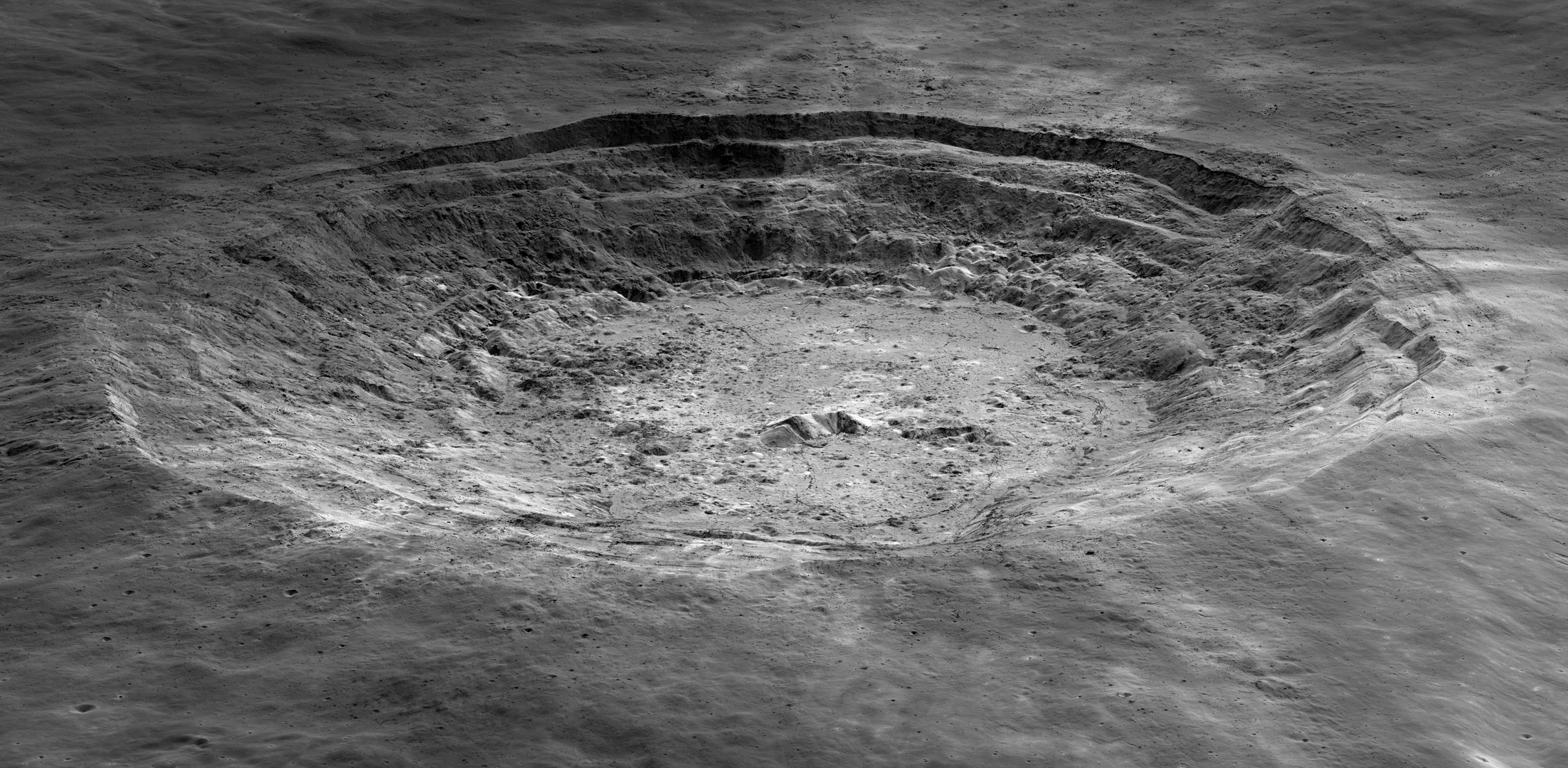
The Moon’s surface has gained a new, high-visibility scar. Researchers using the Lunar Reconnaissance Orbiter (LRO) recently identified a 22-meter-wide crater that formed after the orbiter began its mission, marking a rare confirmation of a recent lunar impact.
While the Moon has been bombarded by space debris for 4.5 billion years, catching an impact in real-time remains nearly impossible. The LROC team discovered this latest formation by comparing orbital imagery taken between 2009 and 2012. By analyzing the differences in the topography, scientists confirmed the crater was not present in the earlier data set.
A sunburst of fresh material
The impact site is easily distinguishable due to its high reflectivity. The force of the collision ejected lunar material outward for tens of meters, creating a distinct, sunburst-like pattern of rays against the darker, older regolith.
"This freshly exposed material is much brighter than the surrounding darker regolith," the research team noted in their findings. This contrast makes the site stand out as a sharp, new feature on an otherwise familiar lunar landscape.
However, the crater’s bright appearance is temporary. Through a process known as space weathering, the exposed material will slowly darken due to constant exposure to solar wind, cosmic radiation, and micrometeorite impacts. Over millions of years, the bright rays will fade until they become indistinguishable from the surrounding terrain.
This discovery serves as more than a geological curiosity. By documenting these new impacts, scientists can better estimate the frequency of collisions in the inner solar system. This data is critical for assessing potential risks to future human missions and permanent lunar infrastructure.
Furthermore, studying the rate at which these fresh features degrade allows researchers to refine the methods used to date various lunar surfaces. These new craters serve as a mechanical reminder that the Moon is not a static object. Instead, it remains a dynamic, evolving environment shaped by the ongoing and occasionally violent activity of the solar system.