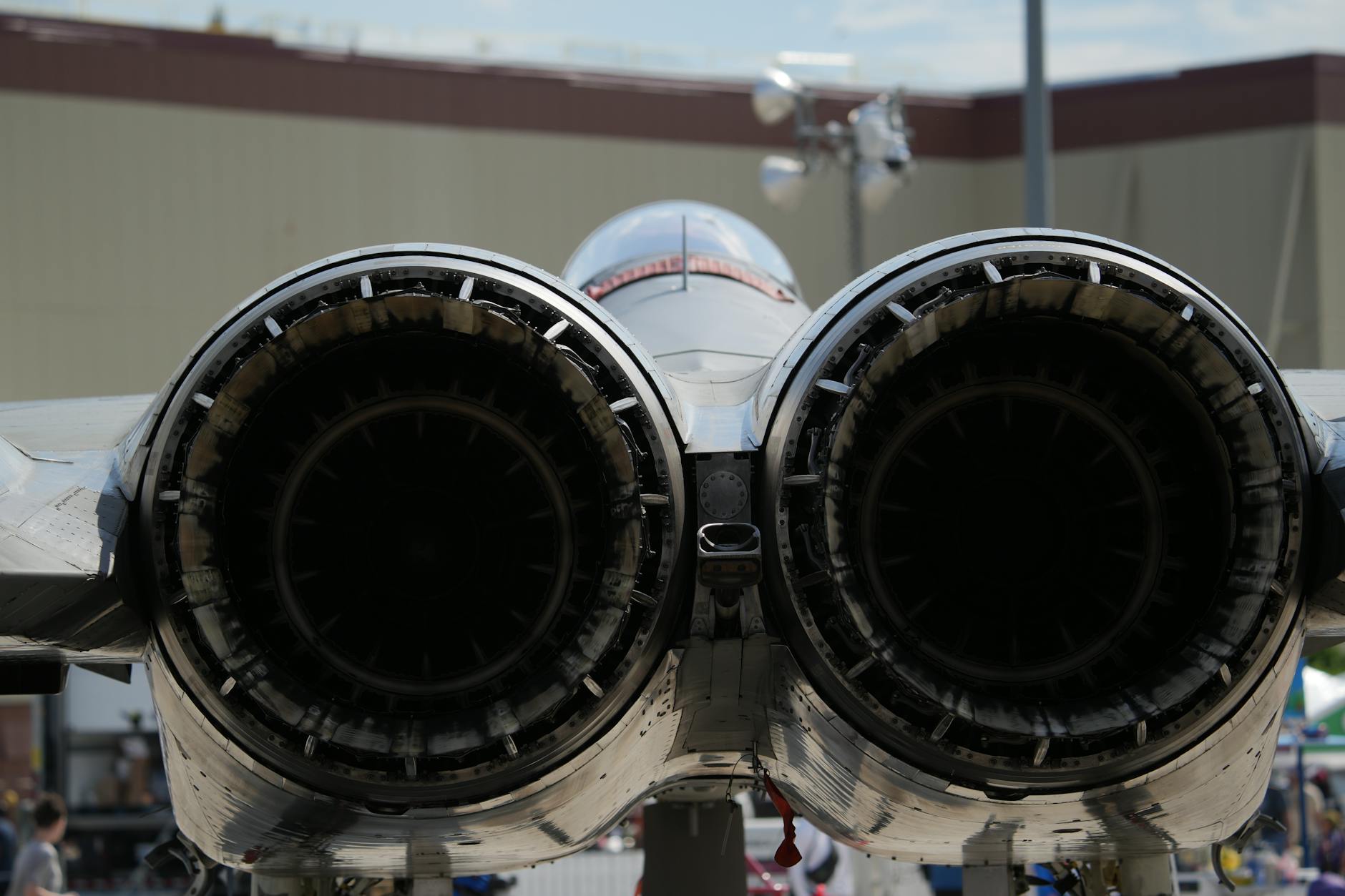
Researchers in China have developed a novel detonation engine capable of reaching hypersonic speeds of Mach 16, or roughly 20,000 kilometers per hour. The study, published in the Chinese Journal of Propulsion Technology, details a dual-mode system designed to stabilize aircraft and drastically improve fuel efficiency at extreme velocities.
A dual-mode approach to hypersonic flight
The engine utilizes two distinct configurations depending on the speed of the aircraft. When traveling below Mach 7, the system employs a rotating detonation mode. In this state, incoming air mixes with fuel to create a shockwave that rotates within the engine, generating continuous thrust.
Once the aircraft exceeds Mach 7, the system switches to an oblique detonation mode. At these higher speeds, the shockwave stops rotating and stabilizes on a platform at the rear of the engine. The fuel then autodetonates upon contact with this zone, maintaining high-speed forward momentum.
According to the South China Morning Post, this mechanical shift allows the engine to sustain thrust at extreme velocities. The design also boasts significant thermodynamic efficiency. Researchers claim these detonation-based systems can convert up to 80% of a fuel's chemical energy into kinetic energy.
This marks a sharp increase over conventional combustion engines, which typically convert only 20% to 30% of chemical energy. The high efficiency stems from the detonation process, which occurs at a near-constant volume, significantly improving the conversion of energy into movement.
Despite the successful laboratory results, the research team identified several hurdles before the technology can be deployed. Engineers must still master the management of extreme heat and the high pressures generated by the detonation process. Ensuring stability and safety during real-world flight remains a primary focus of ongoing testing.
Potential applications for the technology range from commercial air travel to space exploration. However, the military utility of such engines is already drawing attention. According to Interesting Engineering, similar air-breathing propulsion technology is already being explored for combat aircraft capable of reaching Mach 6. These future platforms would operate at speeds that current defense systems struggle to track or intercept.