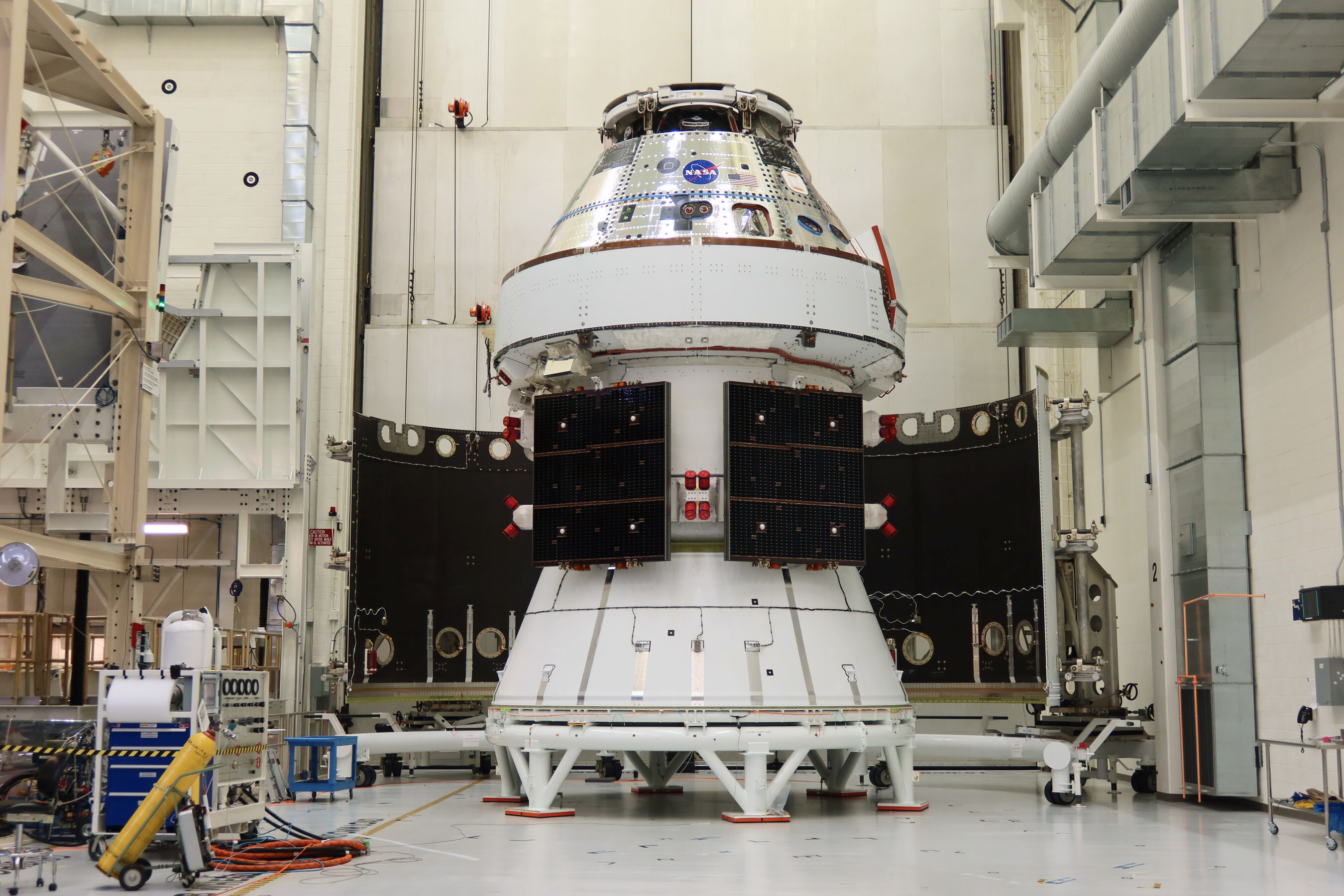
Four astronauts aboard the Orion spacecraft are set to shatter the record for the farthest distance humans have ever traveled from Earth on Monday, April 6, 2026. According to NASA, the crew will reach a maximum distance of 406,773 kilometers (252,760 miles) from our planet at 19:07 EDT, effectively surpassing the 400,171-kilometer mark set by the Apollo 13 mission.
The mission, which launched from Florida’s Kennedy Space Center on April 1, serves as the first crewed flight of the Artemis program. NASA aims to utilize this multi-decade initiative to establish a long-term lunar base and eventually facilitate human missions to Mars.
A historic crew in deep space
The Artemis II crew includes commander Reid Wiseman, pilot Victor Glover, and mission specialists Christina Koch and Jeremy Hansen. Each brings specific expertise to the 10-day mission, ranging from deep-space flight experience to international collaboration as the first Canadian astronaut assigned to a lunar voyage.
Throughout the flight, the crew is tasked with verifying the performance of Orion’s life-support systems. Astronauts will manually pilot the craft, test propulsion and thermal control functions, and conduct scientific investigations focused on human health in deep space.
Life aboard the spacecraft is strictly managed due to the lack of refrigeration and resupply capabilities. NASA reports that the crew is consuming a fixed menu of 189 shelf-stable items, including beef brisket and macaroni and cheese, which they rehydrate using a specialized onboard water dispenser.
While the mission focuses on technical readiness, the crew has also documented their journey. Commander Wiseman captured a notable image of Earth from space, showing the planet illuminated by aurora lights and the night glow of global cities. Because the spacecraft remains in a specific orientation, the photograph captures Earth from an inverted perspective.
The mission is scheduled to conclude on Friday, April 10, when the Orion spacecraft is expected to splash down in the Pacific Ocean near San Diego. Following recovery by the USS John P. Murtha, the astronauts will undergo medical evaluations before returning to the Johnson Space Center in Houston.