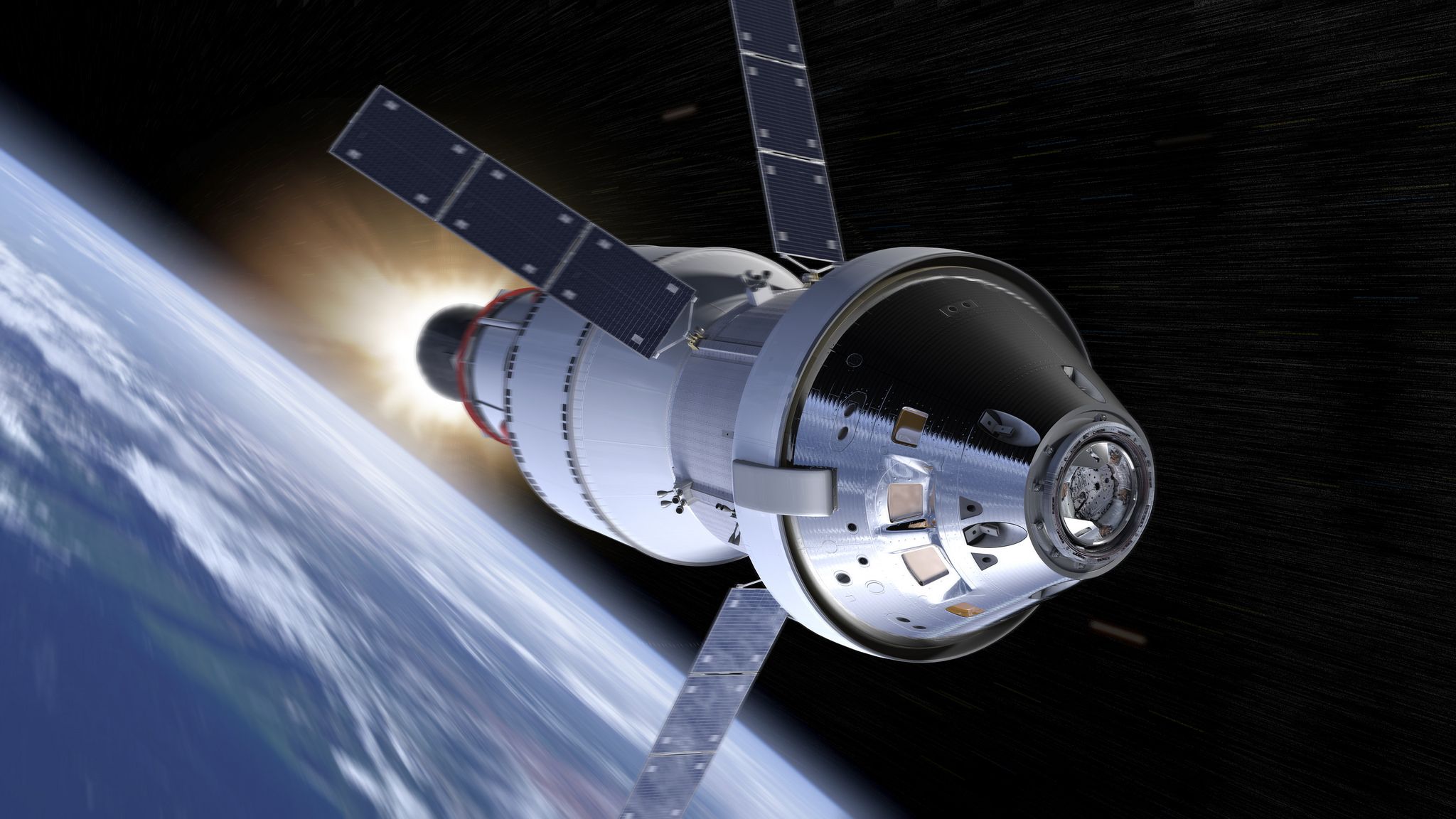
Astronauts aboard the Artemis II spacecraft will perform a historic flyby of the Moon on Monday, marking the first time humans have traveled to the lunar vicinity since the end of the Apollo program in 1972. The operation, which begins at 2:45 pm Eastern Time, will last approximately seven hours.
NASA plans to provide live coverage of the event across multiple platforms, including its website, YouTube, Netflix, and Amazon. However, agency officials have warned that video quality may fluctuate given the immense distance between the spacecraft and Earth.
A milestone in human spaceflight
The mission achieves several diversity milestones, as the crew includes the first woman, Christina Koch; the first Black person, Victor Glover; and the first non-American, Jeremy Hansen, to reach the Moon. The crew is also expected to break the distance record set by Apollo 13, reaching a peak of 252,757 miles from Earth.
During the flyby, the crew will face a 40-minute period of radio silence as they pass behind the Moon. Derek Buzasi, a professor of astronomy and astrophysics at the University of Chicago, noted that the silence recalls the tension of the Apollo era. "It'll be exciting, you know, in a slightly scary way, when they go behind the moon," Buzasi said.
Unlike the Apollo missions, which orbited much closer to the lunar surface, the Artemis II crew will maintain a distance of approximately 4,000 miles. This trajectory allows the astronauts to view the entire circular face of the Moon, including the polar regions.
Noah Petro, head of NASA’s planetary geology lab, described the visual experience awaiting the crew. "The Moon will appear about the size of a basketball held at arm's length," Petro said. The spacecraft will complete its maneuver without entering lunar orbit before beginning its return journey to Earth.