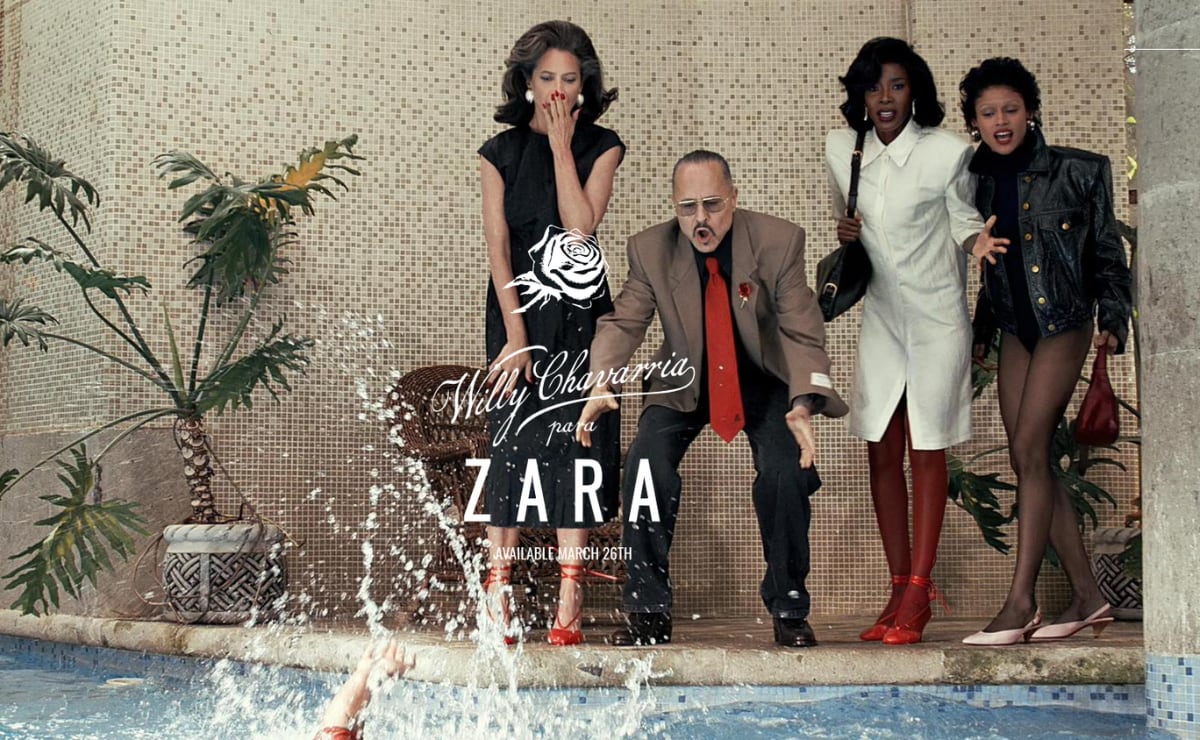
Zara announced a collaboration with American designer Willy Chavarria, launching a collection rooted in Latin identity this March. The partnership, filmed entirely within Mexico, aims to reinterpret cultural narratives through high-end streetwear and retail standards. This initiative marks a significant shift in how global retailers engage with specific regional cultural markers in an increasingly competitive market.
The campaign, titled The House of Color, draws inspiration from contemporary telenovelas and dramatic television formats popular in the region. Actor Alberto Guerra stars in the narrative, which emphasizes friendship, heritage, and the complexities of modern Latin existence. According to El Universal, the production seeks to evoke specific stories that the creative team experienced during their upbringing. This approach moves beyond standard advertising into storytelling that resonates deeply with specific demographics.
Garments feature oversized tailoring and workwear influences typical of the designer's established portfolio and aesthetic history. Colors remain neutral with specific red and pink accents to provide dramatic contrast against the black and white base. The aesthetic balances structure with fluidity to reflect modern urban lifestyles and the demands of contemporary consumers. Accessories include metallic details that serve as statement pieces within the broader fashion line.
The collection name Vatísimo references Chicano slang where the term vato signifies a specific type of man. It positions fashion as a vehicle for cultural expression rather than mere utility or seasonal consumption. This linguistic choice connects directly with the Mexican and Chicano diaspora communities across the hemisphere. The brand reportedly intends to validate these cultural touchstones through mainstream retail channels.
Chavarria is known for integrating social themes into his work regarding diversity, identity, and political commentary. This collaboration scales his vision to a global retail platform without compromising the authenticity of his artistic message. Industry observers note that fast fashion often struggles to maintain cultural integrity in mass production environments. The partnership attempts to bridge this gap through careful narrative construction and design choices.
Such partnerships signal a strategic shift in fast fashion marketing toward cultural specificity and localized engagement. Retailers increasingly target diaspora communities to build deeper brand loyalty and repeat customer engagement. Data suggests consumers value representation when evaluating global luxury or mass-market brands available in stores. This strategy aligns with broader economic trends where cultural capital drives spending behavior significantly.
Filming the campaign in Mexico underscores the region's importance in cultural production and creative output. Local talent participates in a global distribution network that often overlooks domestic creativity in favor of foreign imports. This decision highlights Mexico's growing role as a creative hub for international projects and high-profile shoots. Economic benefits from production crews and local partnerships remain a secondary but relevant outcome of the initiative.
Products launch March 26 in select locations and through online channels to manage initial demand. This availability suggests a targeted rollout strategy rather than a simultaneous global release across all markets. Analysts view this phased approach as a method to manage inventory levels and customer expectations effectively. The exclusivity may drive higher perceived value among early adopters and fashion enthusiasts.
Industry analysts watch how this influences future cross-border collaborations between independent designers and large corporations. Cultural authenticity becomes a key metric for success in the competitive fashion market and consumer perception. Brands risk backlash if they fail to engage with the communities they claim to represent in their marketing. Transparency in creative direction remains essential for long-term viability and trust building.
The project merges commercial goals with artistic storytelling to reach wider audiences and capture market share. It reflects broader trends in Latin American cultural consumption and the dynamics of international commerce. As digital commerce expands, regional identity gains prominence in international trade relations and brand positioning. This case study may influence subsequent marketing campaigns across the entire hemisphere.